Rig Builder
Budget Rig Breakdown
Signal Chain
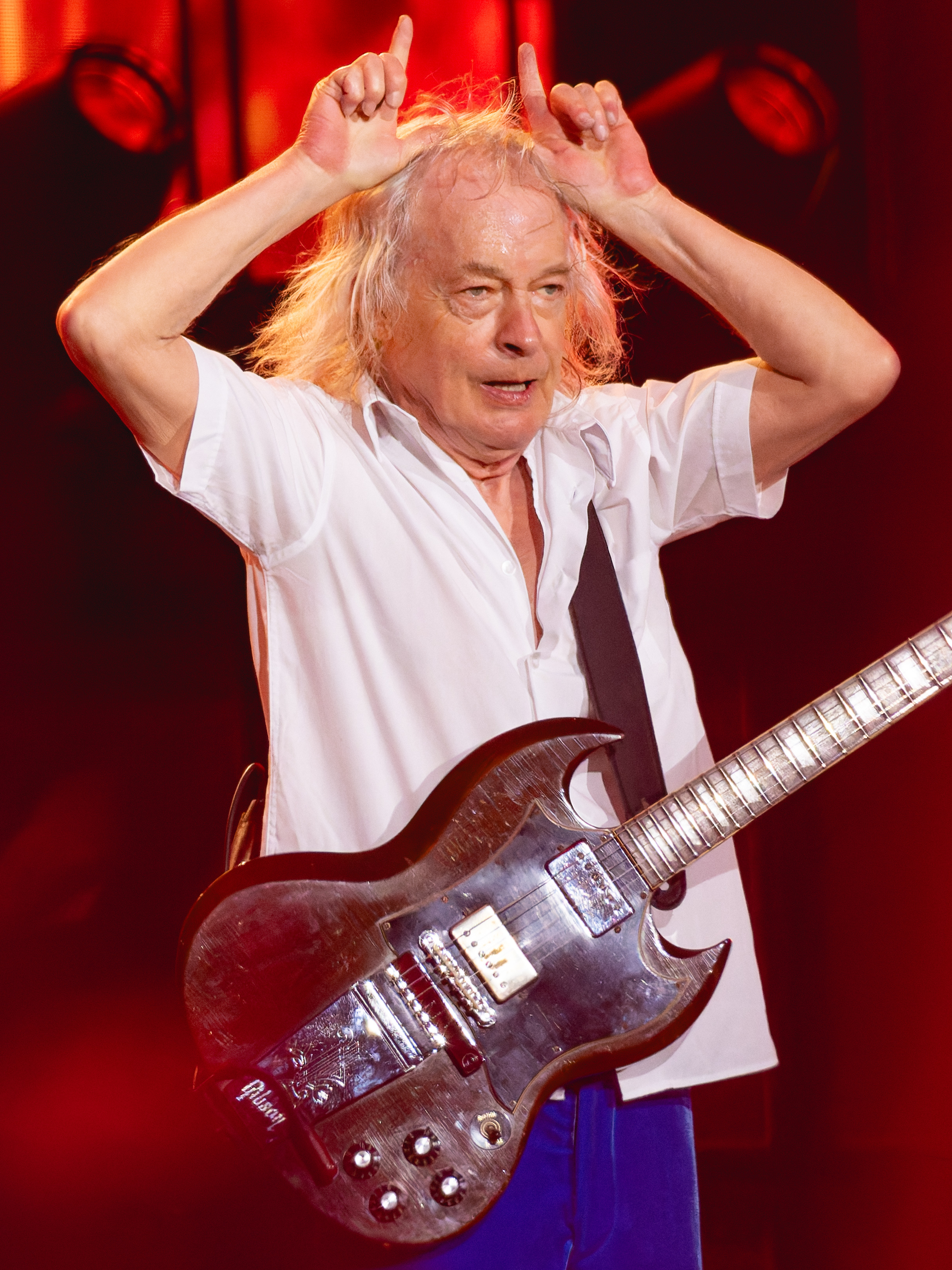
GuitarEpiphone SG
BoostXotic EP
AmpKatana 100
£ Budget$189

£ Budget$113

Technique
Key Tone Tips
- Bridge pickup only — Angus never touches the neck pickup for his core tone
- Crank the amp until the power tubes saturate — bedroom volumes require a different approach
- Zero pedals: use the amp's natural drive and the guitar volume as your only controls
- Guitar volume at 10 for maximum crunch; roll back to 6–7 for cleaner rhythm parts
- Marshall EQ: bass 5, mid 7, treble 6, presence 7 — mid-forward, never scooped
- At bedroom volumes, use a Marshall DSL with the overdrive channel at moderate gain
- SG-style humbuckers are essential — single coils won't give the right punchy attack
- Let strings ring open — Angus uses minimal palm muting; the ring-out is part of the sound
- Chuck Berry-influenced double-stop bends are central to AC/DC's rhythmic vocabulary
Background
About Angus Young's Sound
Angus Young's AC/DC tone is the purest expression of a humbucker meeting a pushed Marshall — no effects, no pedals, just raw power. His SG through a cranked Super Lead delivers explosive crunch that has powered some of the best-selling rock albums ever made.