£1,000 · Pro-Level Guitar Rig Guide
The £1,000 · Pro-Level tier is a serious investment in tone. At £1,000 you're looking at professional-grade instruments, better valved amps, and the specific pedals that define the original sound. The rigs below represent the closest budget-realistic recreation of each guitarist's setup.
124 guitarists · All rigs engine-generated
For a complete guitar rig under £1,000, you need three things: a guitar (budget £400–£600), an amp (budget £250–£450), and one essential pedal. The rigs below show how 124+ guitarists approach this price point — each built to capture authentic tone within the budget.
⭐ Professional-Grade Rig for £1,000
At £1,000 you're buying professional-quality equipment that will last decades. Focus on a single style rather than trying to cover everything — the best £1,000 blues rig is completely different from the best £1,000 metal rig. A used valve amp at this price offers significantly more tone than a new modeller.
- Tube amp maintenance: budget £50–100/year for valve replacement and servicing.
- At this price, your technique is more limiting than your equipment. Invest in lessons.
- Don't overlook the used market — a £700 new amp vs a £700 used amp can mean a decade of build difference.
What You DON'T Need at £1,000
At £1,000, the danger shifts from overspending to buying the wrong thing — vintage instruments with hidden condition issues and gear that's over-specified for your actual use case.
- Vintage guitars without authenticated provenance
Vintage condition varies drastically and is hard to assess from photos. A 1970s Les Paul with a neck reset issue or non-original parts can cost £200–400 to make properly playable. A modern Gibson Les Paul Standard or PRS CE 24 at this budget needs none of that — and will outlast it.
- High-wattage amps (50W+) for home and small venue use
You'll never push a 50W tube amp into natural power-amp saturation at home volumes. A 20–30W combo turned up to 6 or 7 is where the actual tone lives — the power stage starts to saturate and the speaker starts to work. The Marshall DSL20CR or Vox AC30 (used) at this budget is the correct choice.
- A full pedalboard (5+ pedals)
Three pedals used deeply beat seven pedals used shallowly. At £1,000, allocate most of the budget to guitar and amp first. Then add one or two pedals you have a specific sonic reason to own — not a collection.
- "Boutique hand-wired" amps priced under £1,000
Genuine point-to-point hand-wired boutique amplifiers (Matchless, Dr Z, Victoria) start at £1,500–2,500 new. Under £1,000, "boutique" marketing typically means small production batches, not true hand-wiring. A used Fender Deluxe Reverb or Marshall DSL40CR is a more honest benchmark at this price.
Shop by Category
Best Gear Under £1,000
Genre Rigs
Complete Rigs by Style — £1,000 · Pro-Level
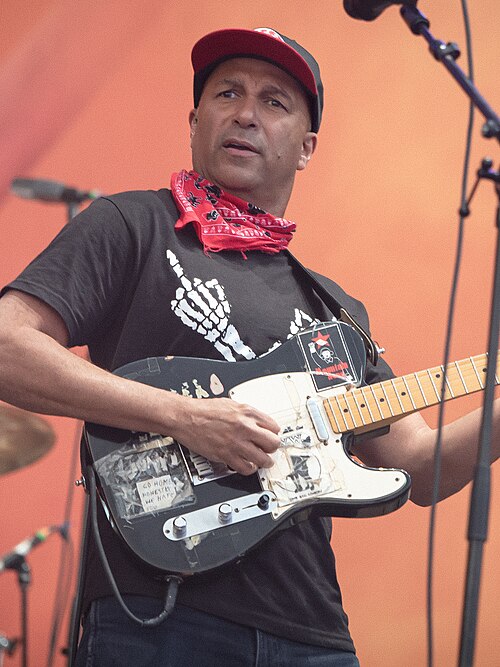
Tom Morello
Build this rig →
Billy Corgan
Build this rig →
J Mascis
Build this rig →

Jonny Greenwood
Build this rig →

Thurston Moore
Build this rig →

Dave Navarro
Build this rig →
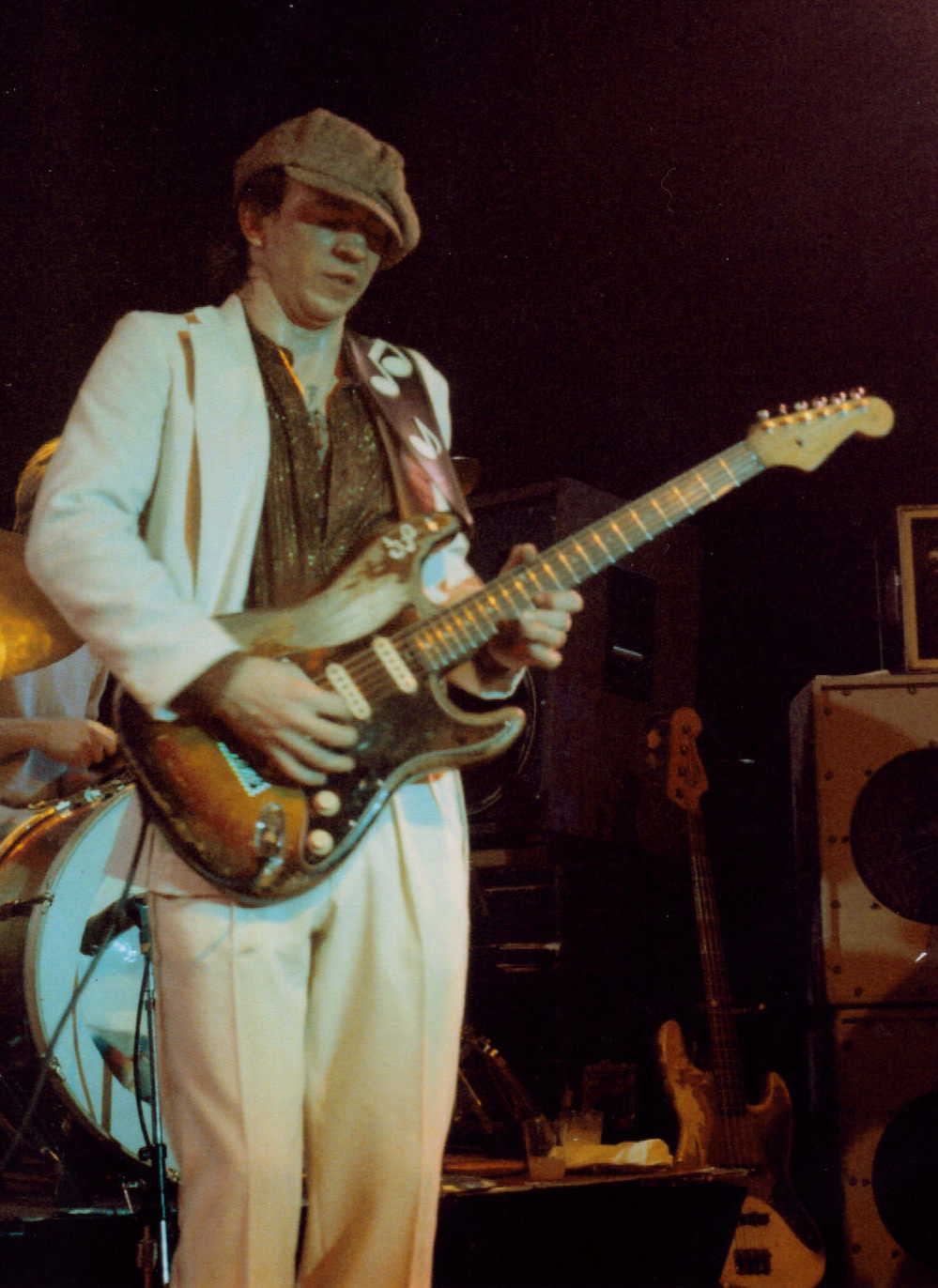
Stevie Ray Vaughan
Build this rig →
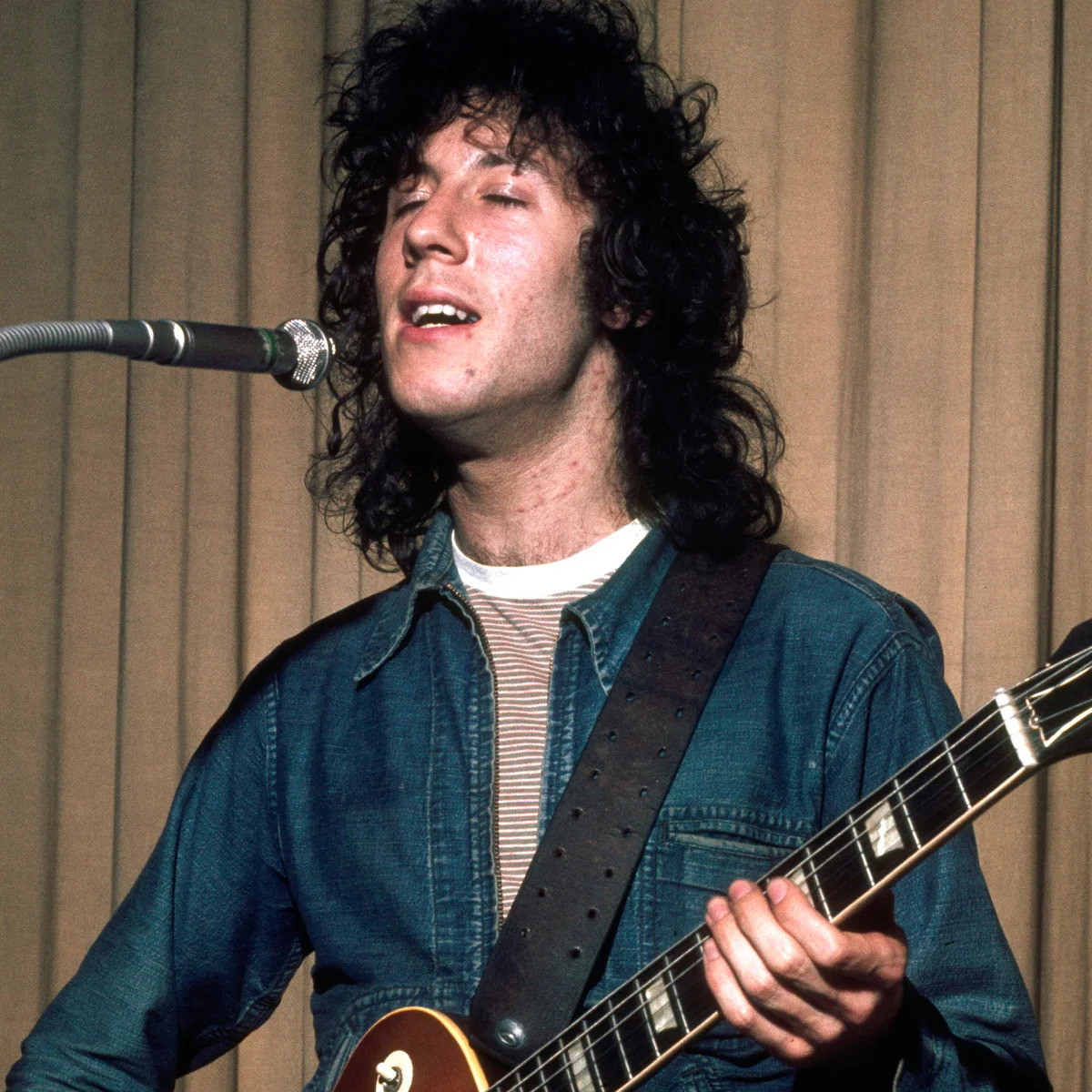
Peter Green
Build this rig →
BB King
Build this rig →
Albert King
Build this rig →
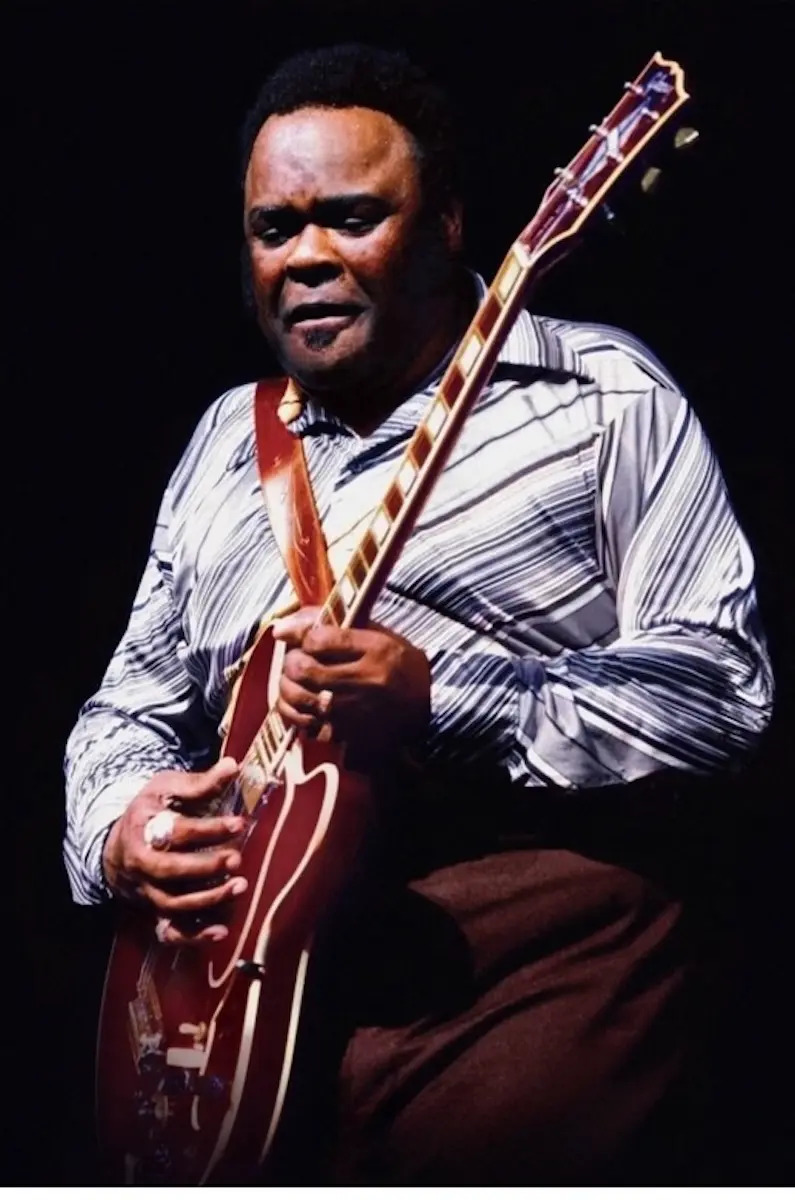
Freddie King
Build this rig →

Gary Clark Jr
Build this rig →
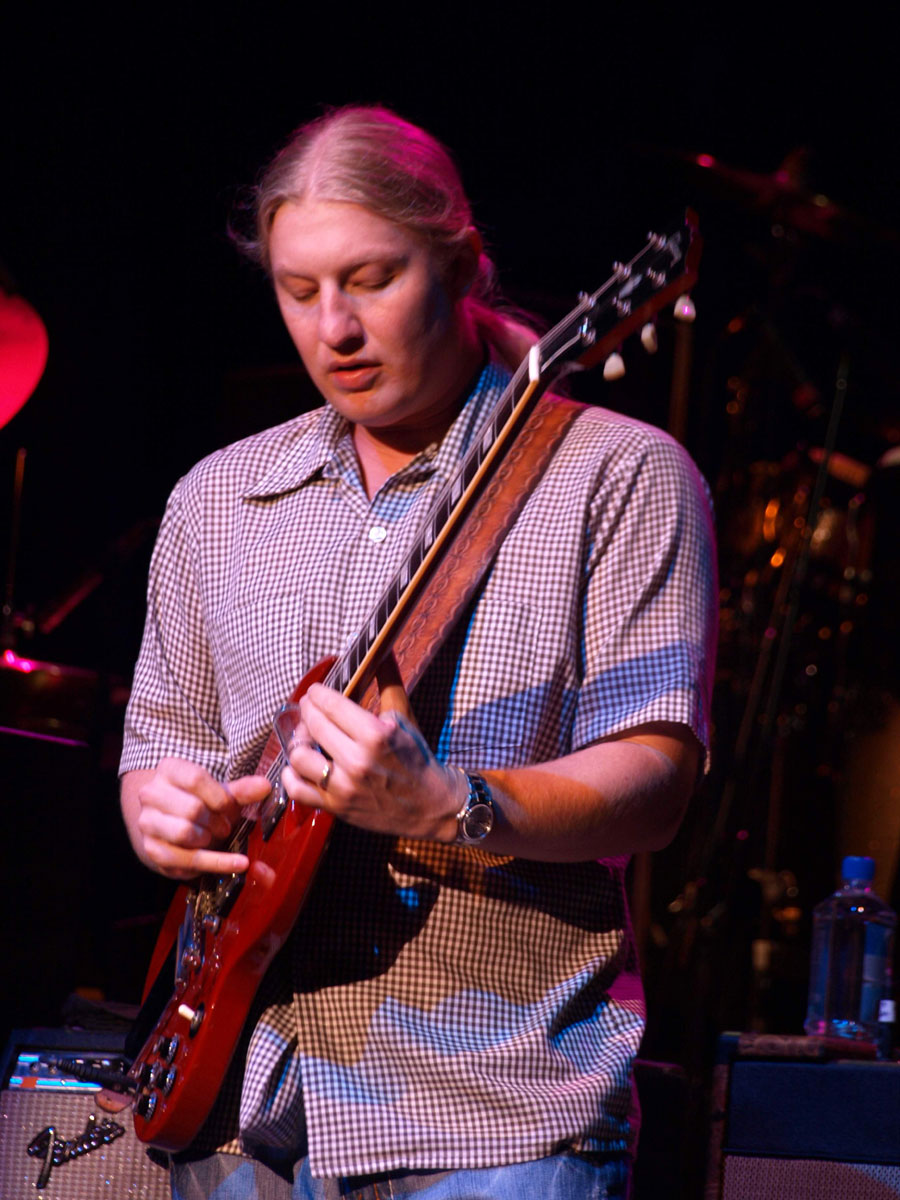
Derek Trucks
Build this rig →

Buddy Guy
Build this rig →

Muddy Waters
Build this rig →

Robert Johnson
Build this rig →

John Lee Hooker
Build this rig →

T-Bone Walker
Build this rig →

Son House
Build this rig →

Elmore James
Build this rig →

Roy Buchanan
Build this rig →

Matt Schofield
Build this rig →

Eric Gales
Build this rig →
Mike Bloomfield
Build this rig →
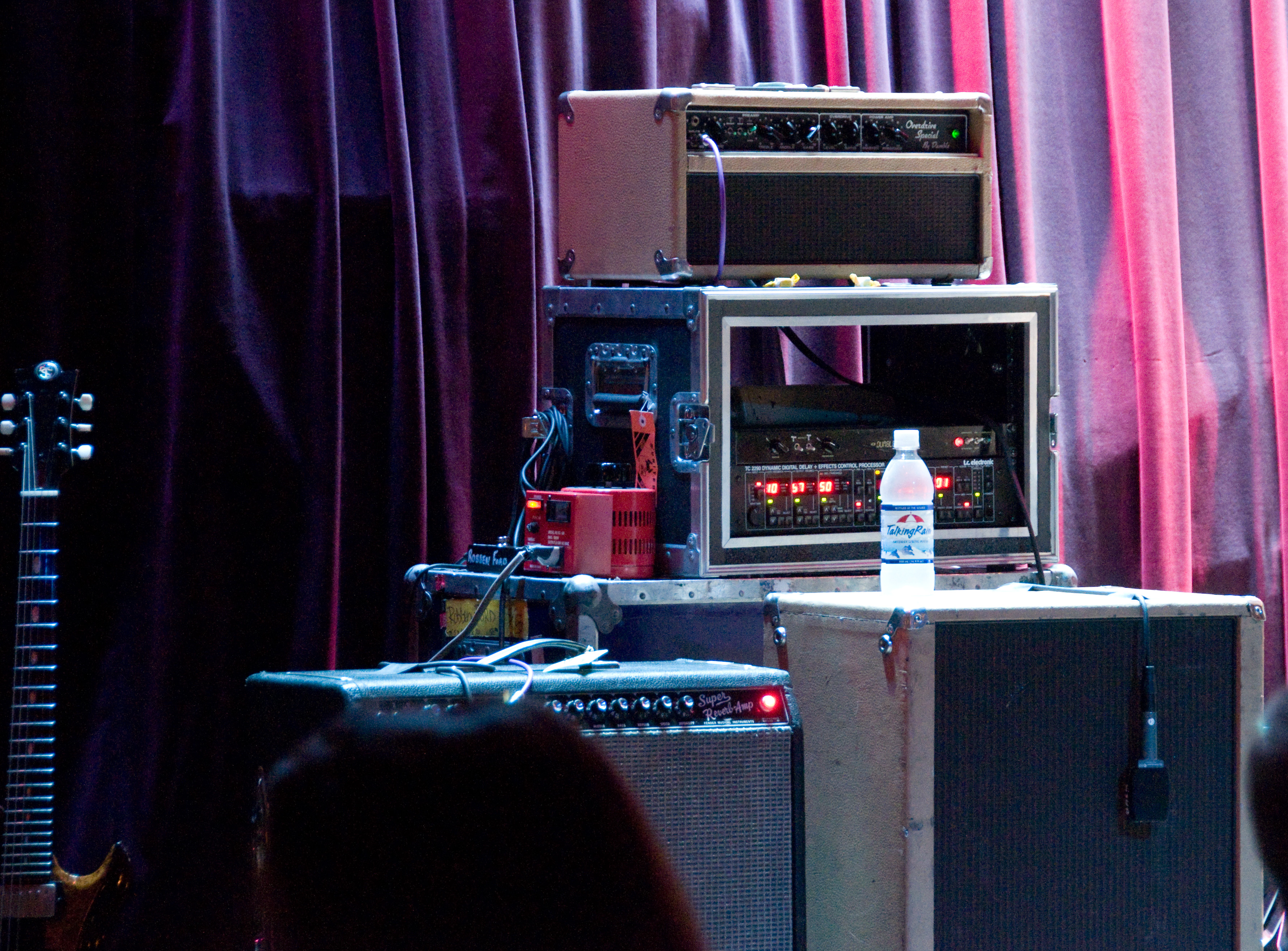
Robben Ford
Build this rig →

Sonny Landreth
Build this rig →

John Mayer
Build this rig →

Eric Clapton
Build this rig →
Jack White
Build this rig →
Rory Gallagher
Build this rig →
Robin Trower
Build this rig →
Warren Haynes
Build this rig →
Duane Allman
Build this rig →
Joe Bonamassa
Build this rig →
Gary Moore
Build this rig →

Eric Johnson
Build this rig →

Dan Auerbach
Build this rig →
















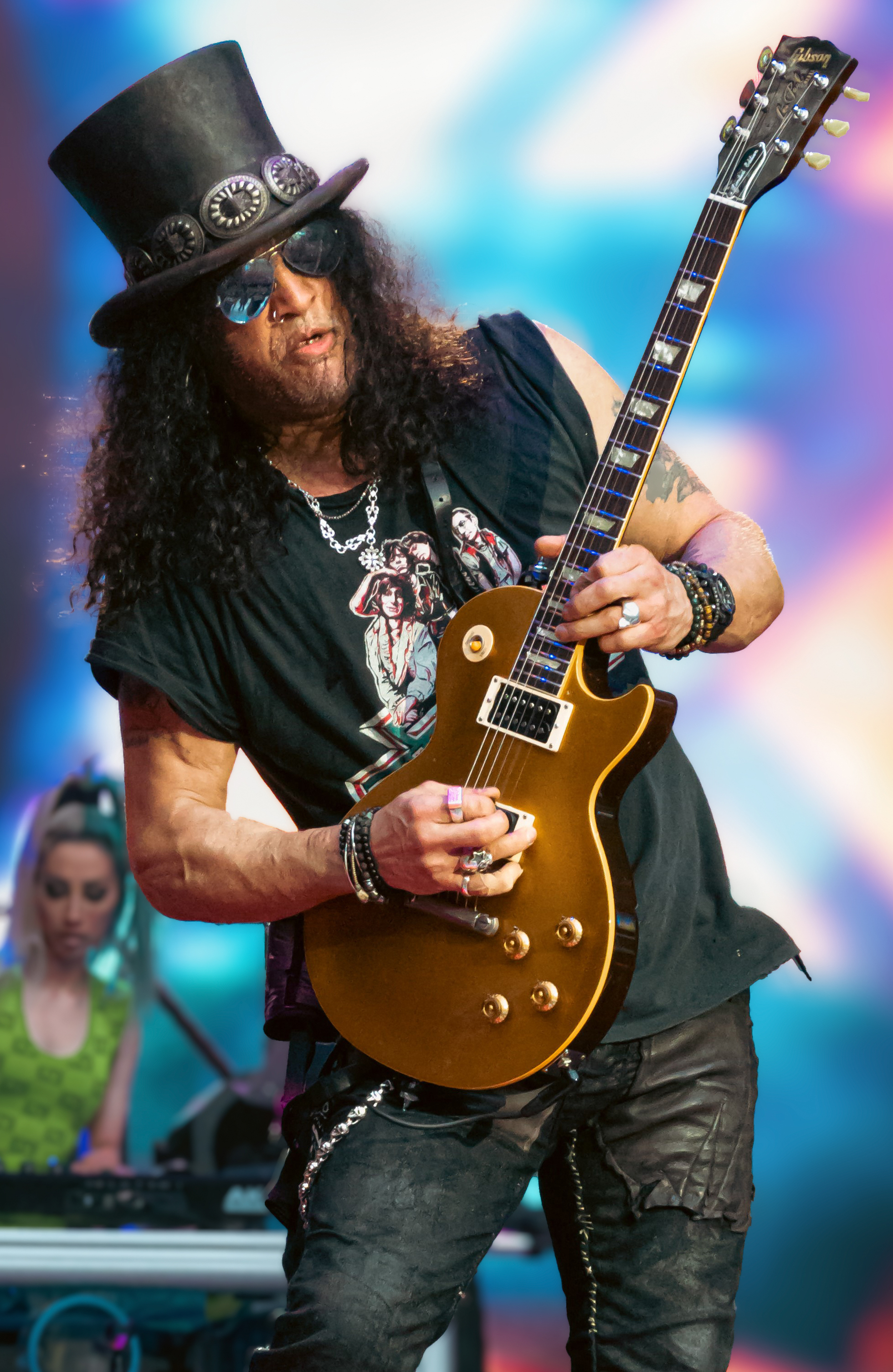
Slash
Build this rig →
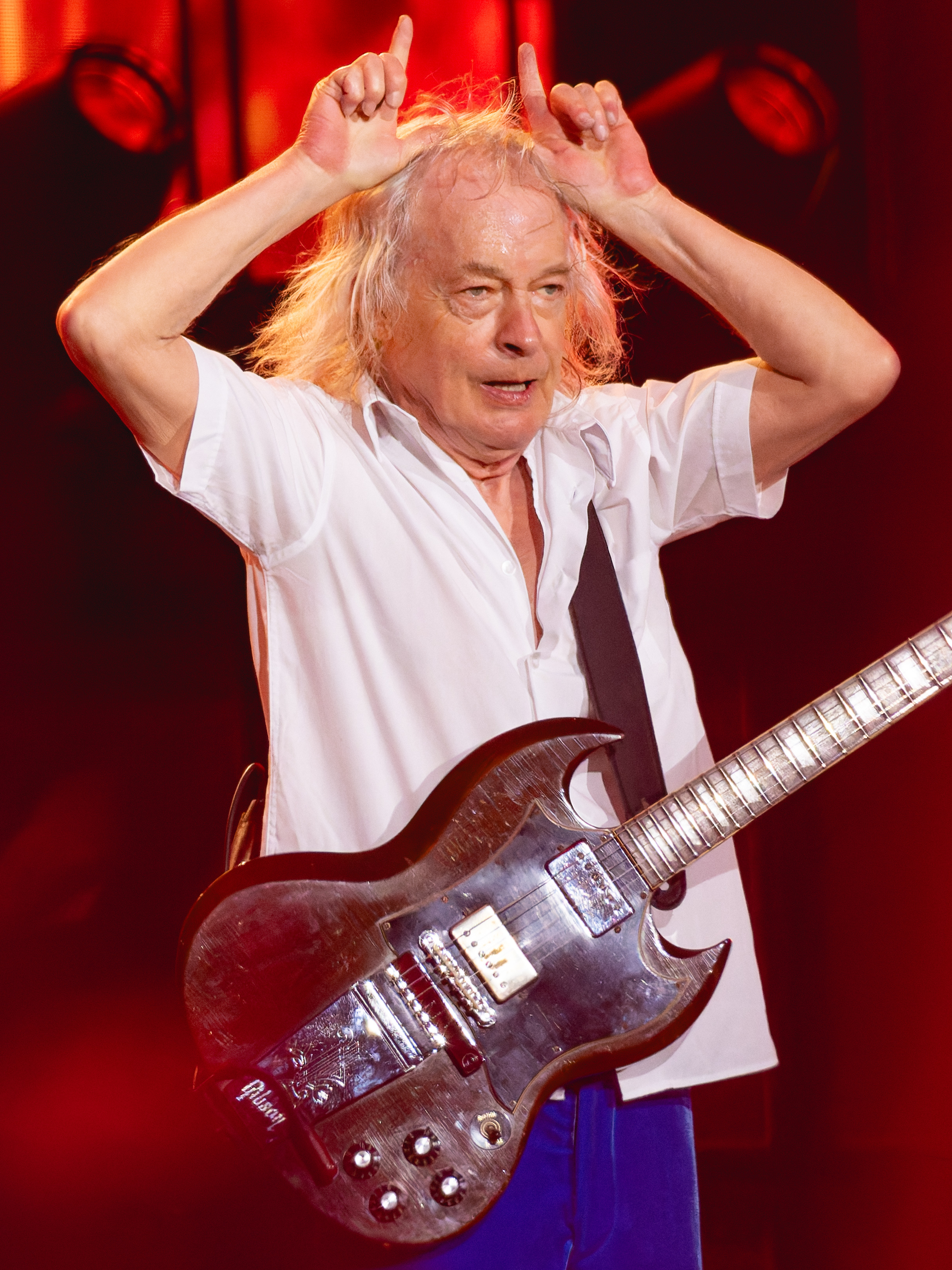
Angus Young
Build this rig →
Ritchie Blackmore
Build this rig →
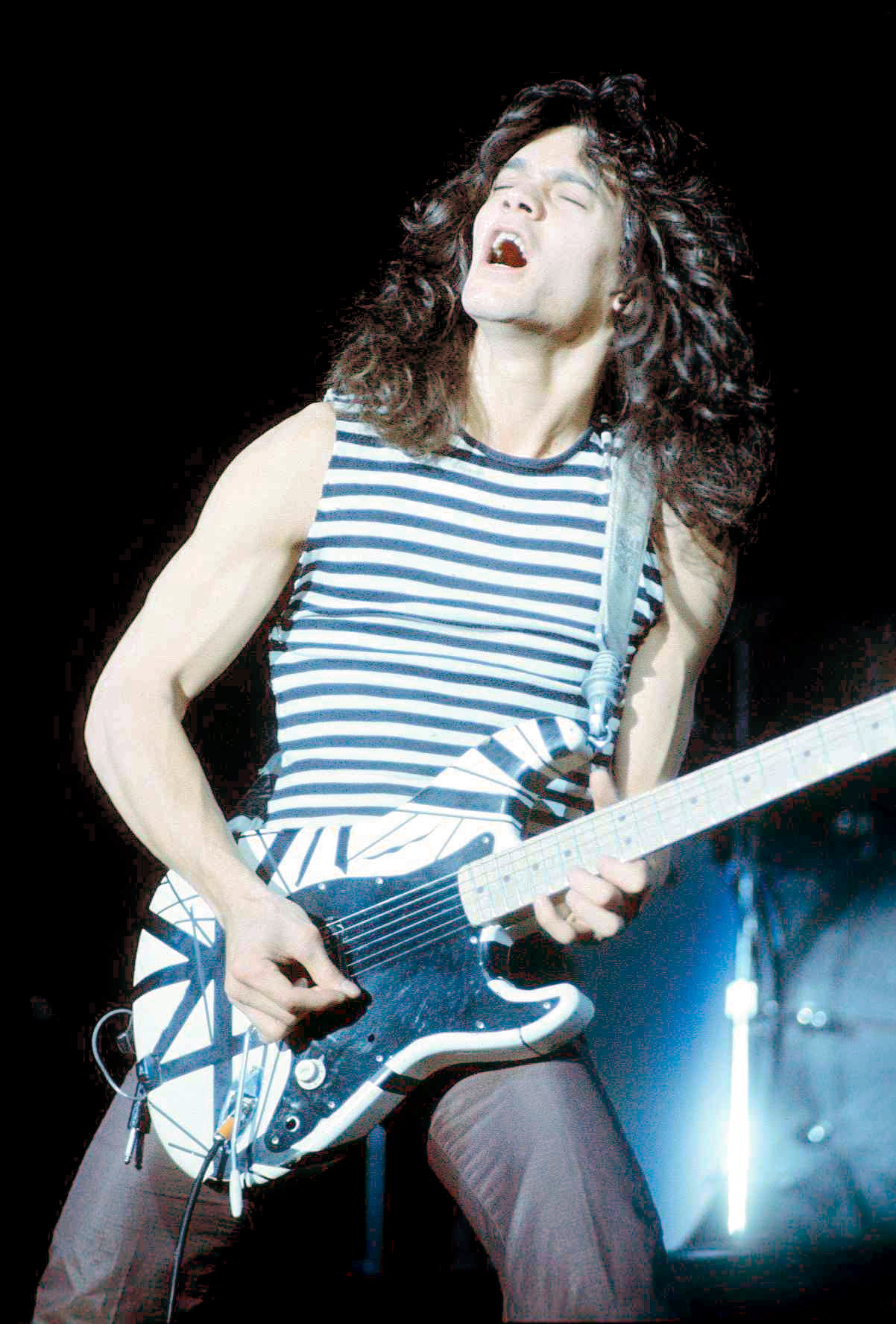
Eddie Van Halen
Build this rig →
Joe Perry
Build this rig →

Michael Schenker
Build this rig →

Uli Jon Roth
Build this rig →
Nuno Bettencourt
Build this rig →
Ace Frehley
Build this rig →
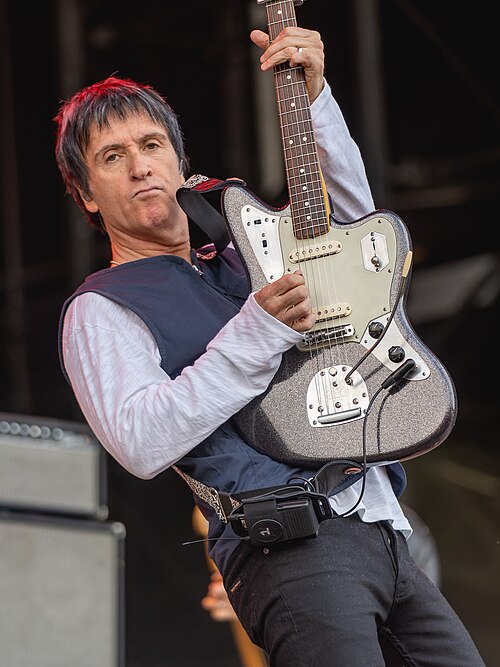

Al Di Meola
Build this rig →
Wes Montgomery
Build this rig →

Pat Metheny
Build this rig →

John Scofield
Build this rig →

Larry Carlton
Build this rig →

George Benson
Build this rig →
Django Reinhardt
Build this rig →

Charlie Christian
Build this rig →

Joe Pass
Build this rig →

Grant Green
Build this rig →

Kenny Burrell
Build this rig →

Mike Stern
Build this rig →

Jim Hall
Build this rig →
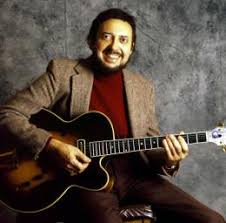
Barney Kessel
Build this rig →

Les Paul
Build this rig →
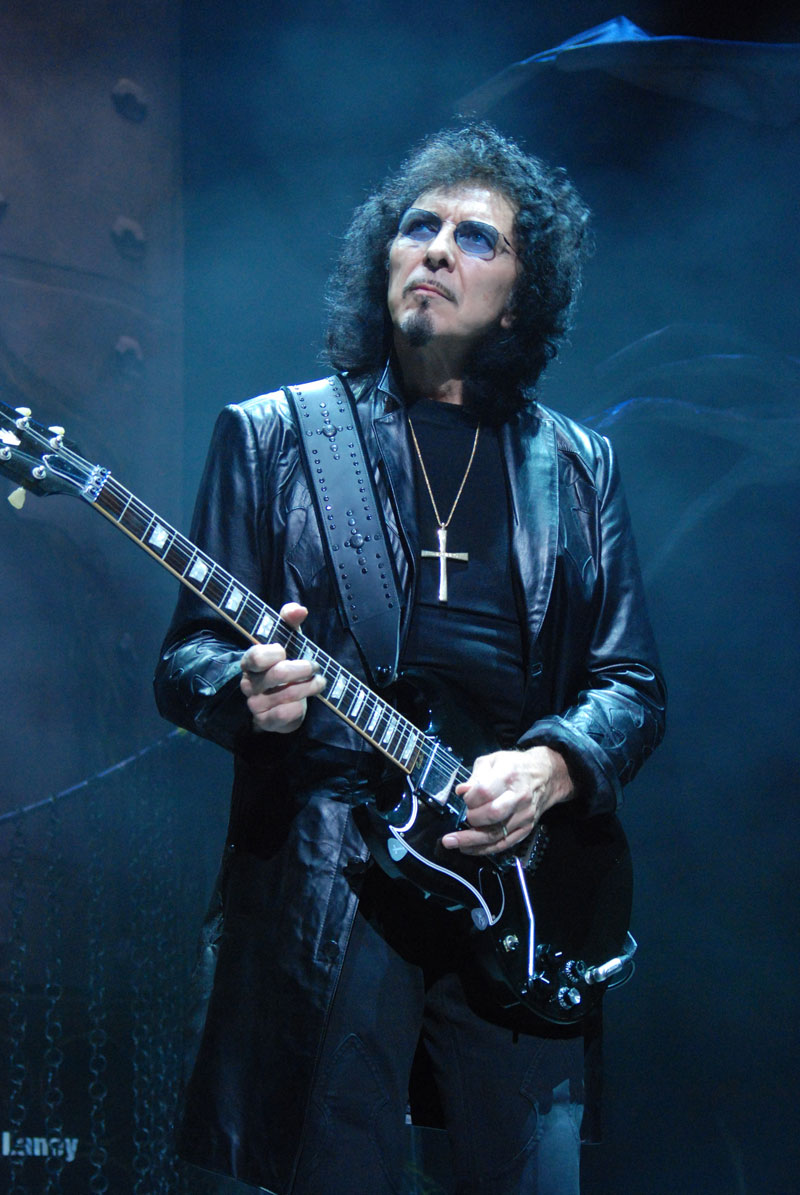
Tony Iommi
Build this rig →
Randy Rhoads
Build this rig →
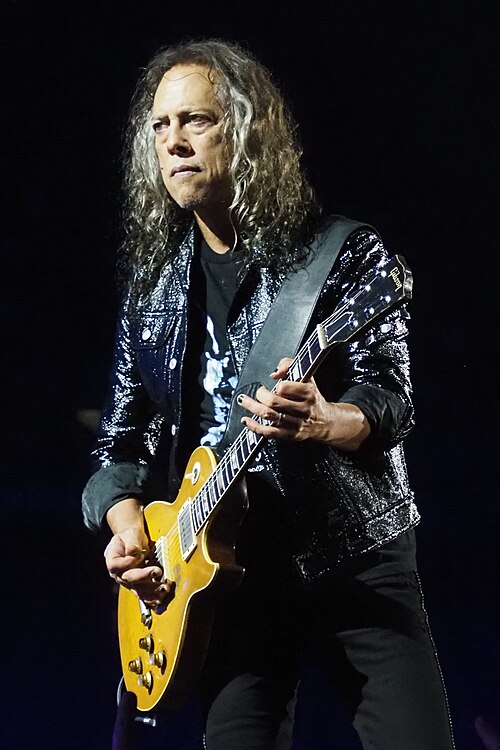
Kirk Hammett
Build this rig →
Dimebag Darrell
Build this rig →
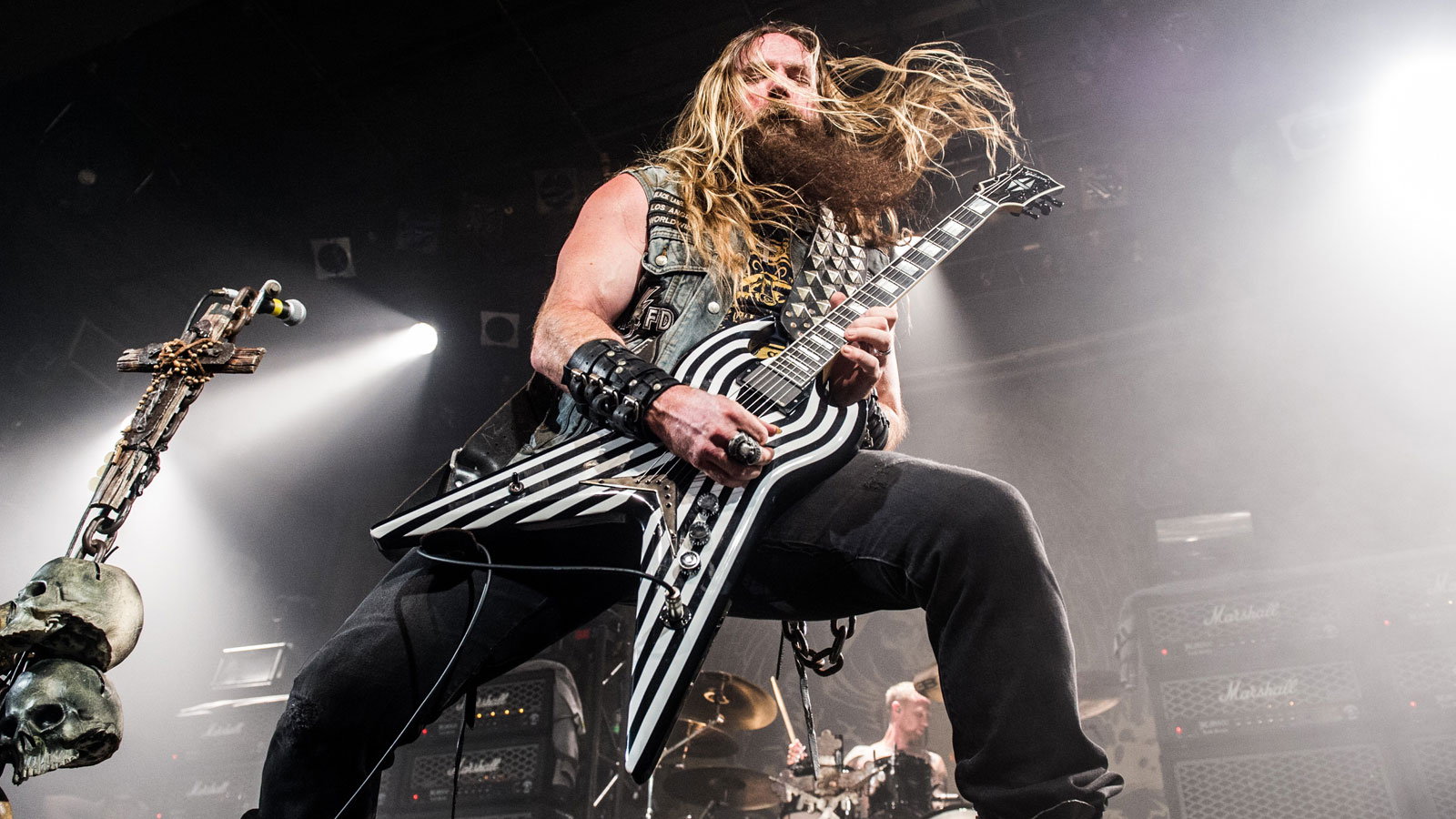
Zakk Wylde
Build this rig →
James Hetfield
Build this rig →

Marty Friedman
Build this rig →
Yngwie Malmsteen
Build this rig →

Jason Becker
Build this rig →

Paul Gilbert
Build this rig →
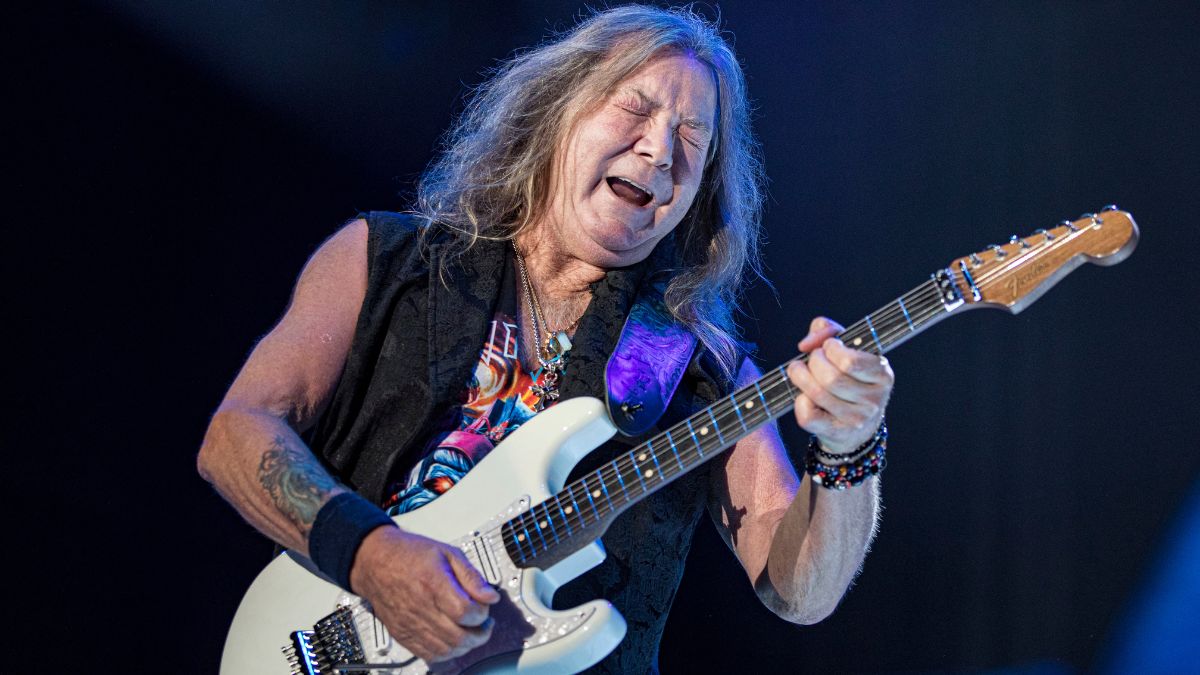
Dave Murray
Build this rig →
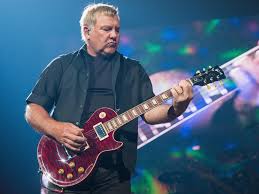
Alex Lifeson
Build this rig →
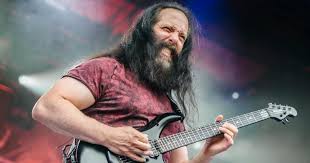
John Petrucci
Build this rig →

Adam Jones
Build this rig →

Steve Howe
Build this rig →

Robert Fripp
Build this rig →

Tosin Abasi
Build this rig →

Misha Mansoor
Build this rig →

Plini
Build this rig →
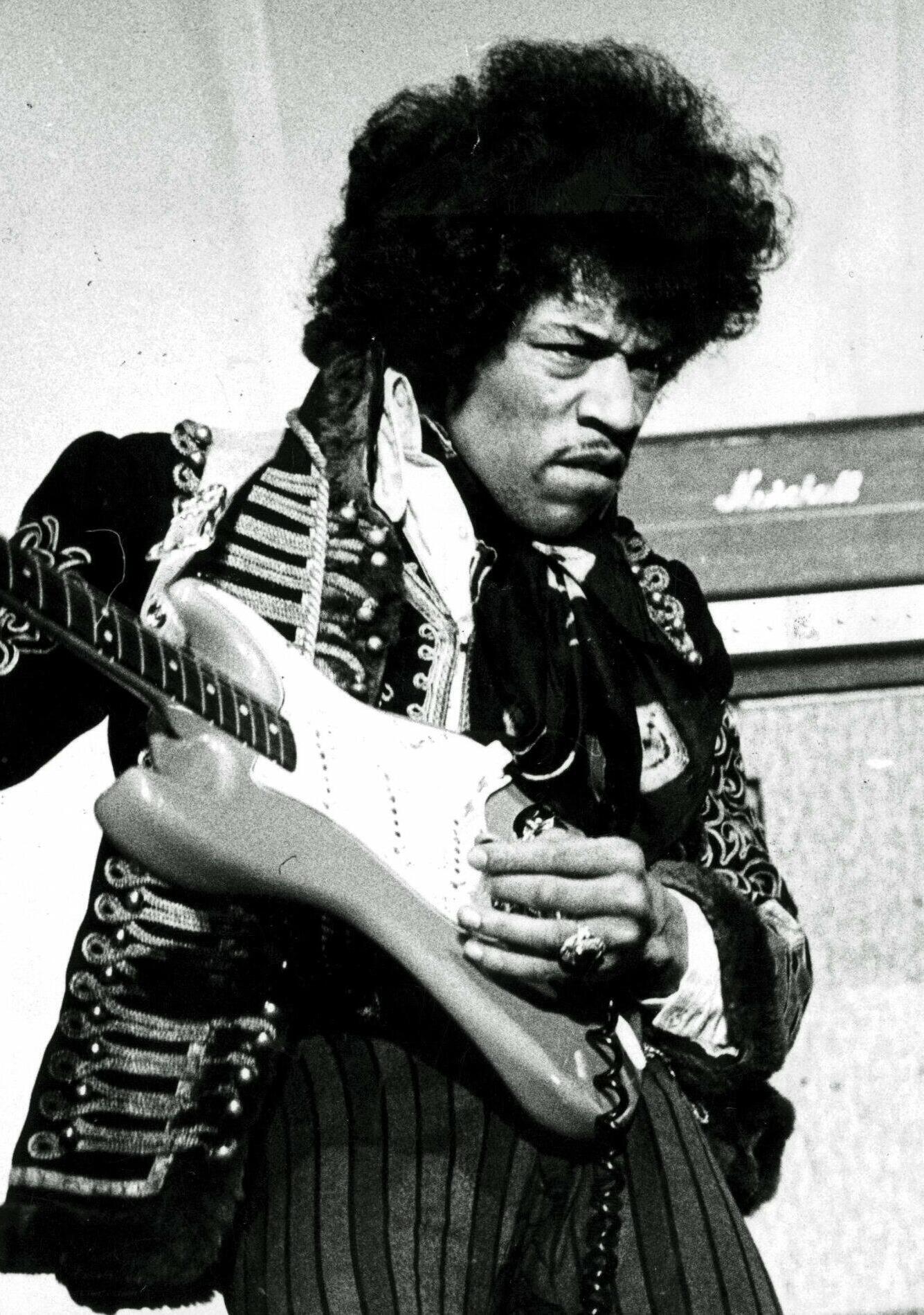
Jimi Hendrix
Build this rig →
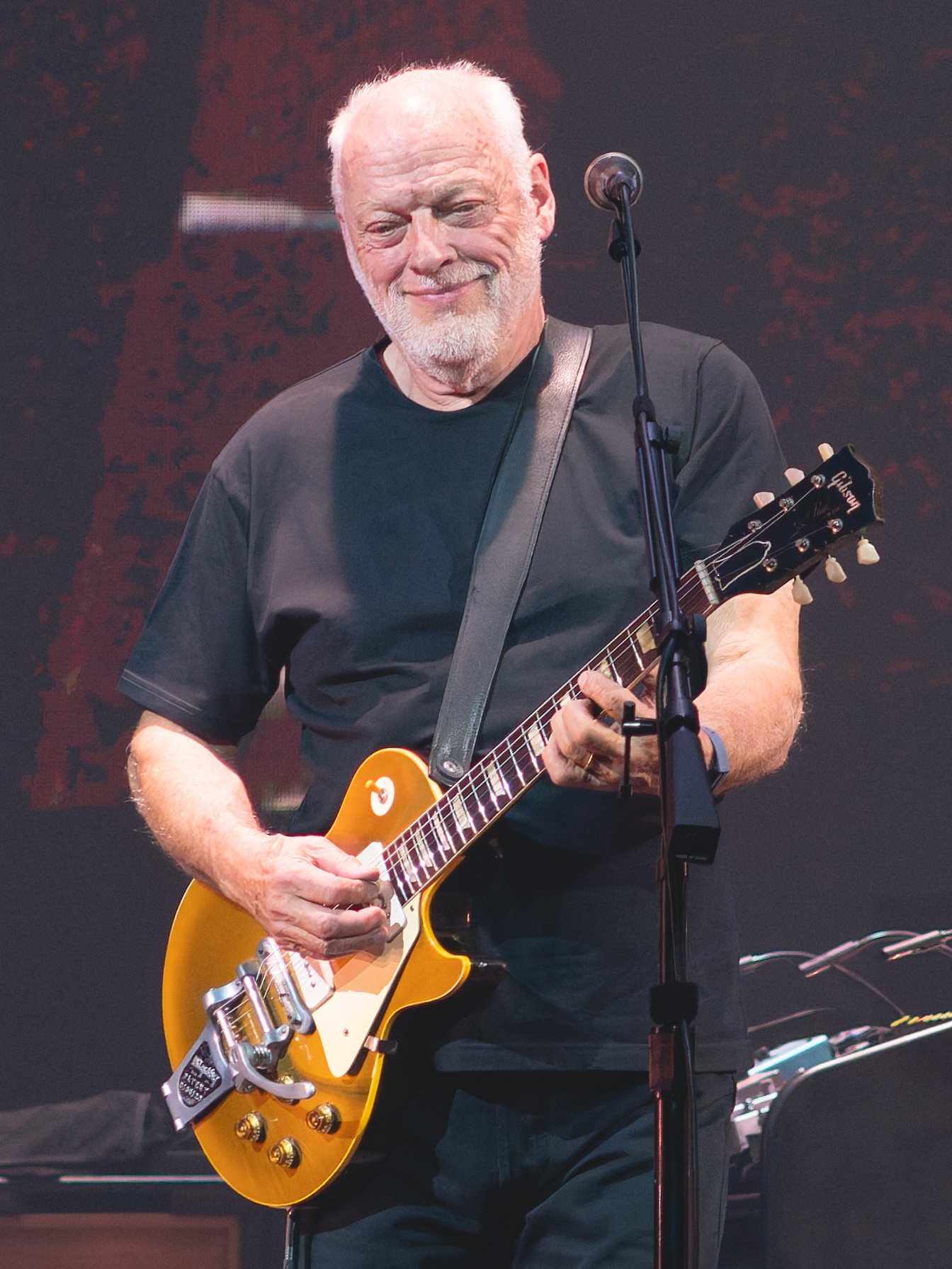
David Gilmour
Build this rig →
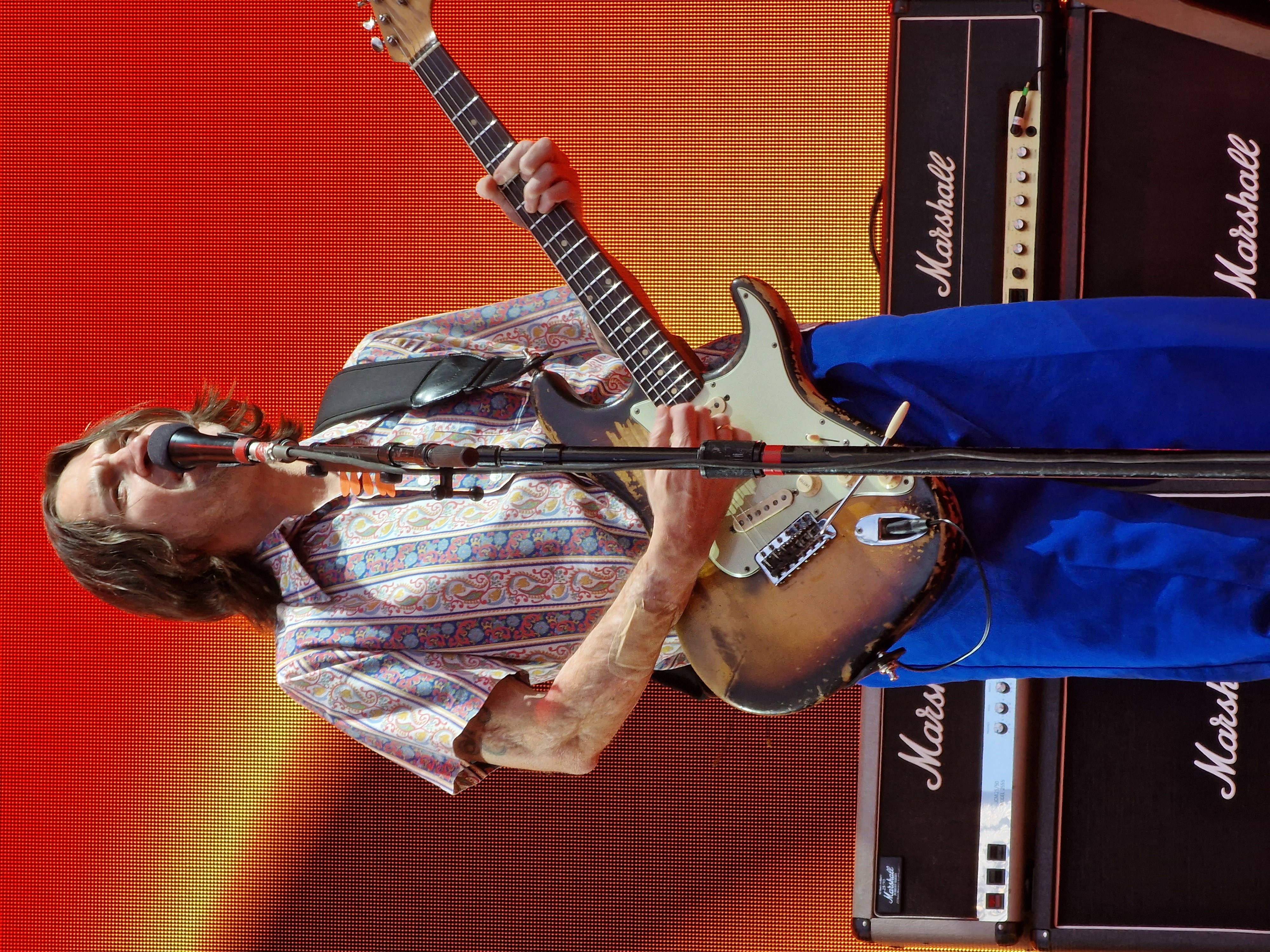
John Frusciante
Build this rig →
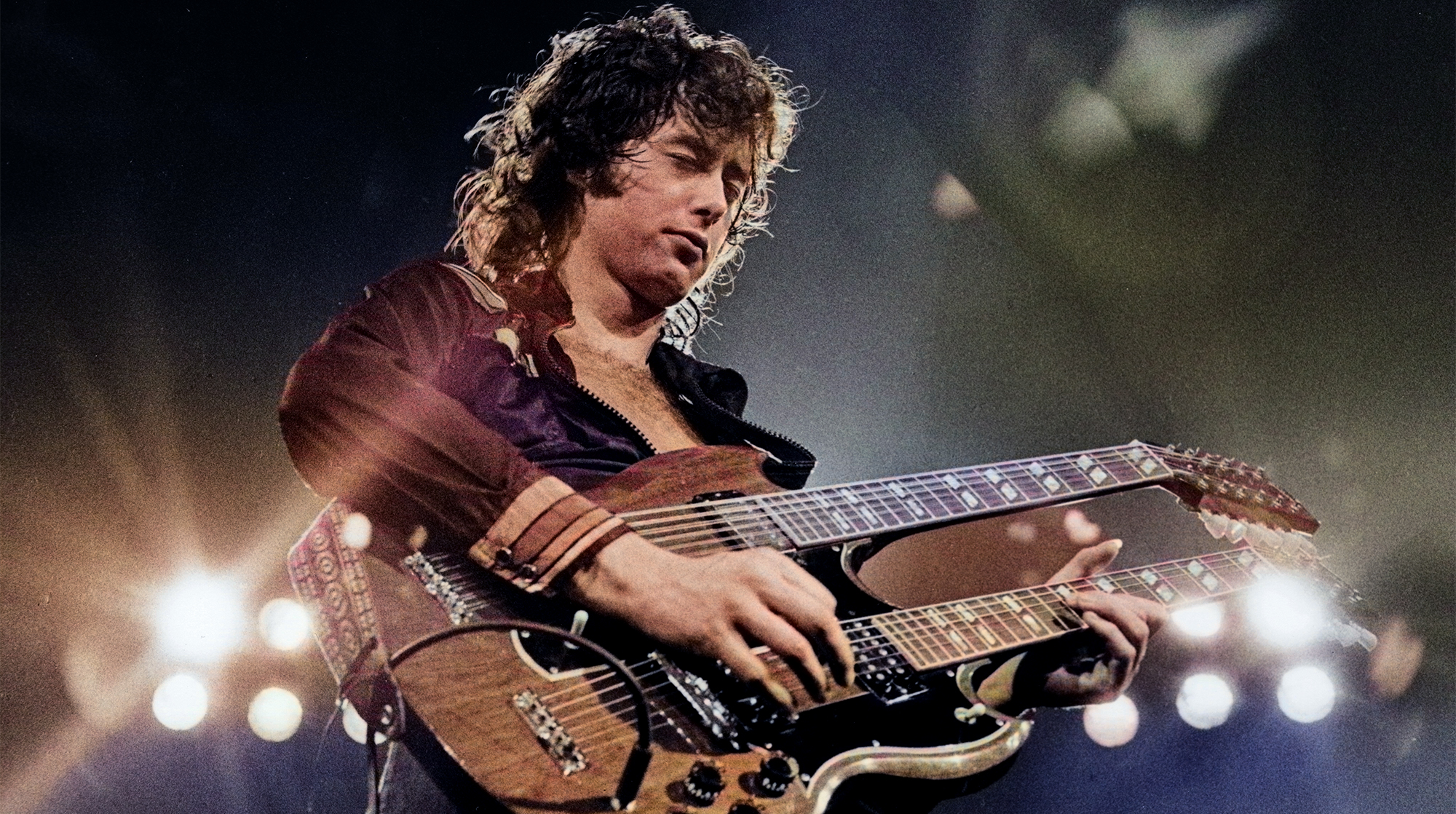
Jimmy Page
Build this rig →
Jeff Beck
Build this rig →
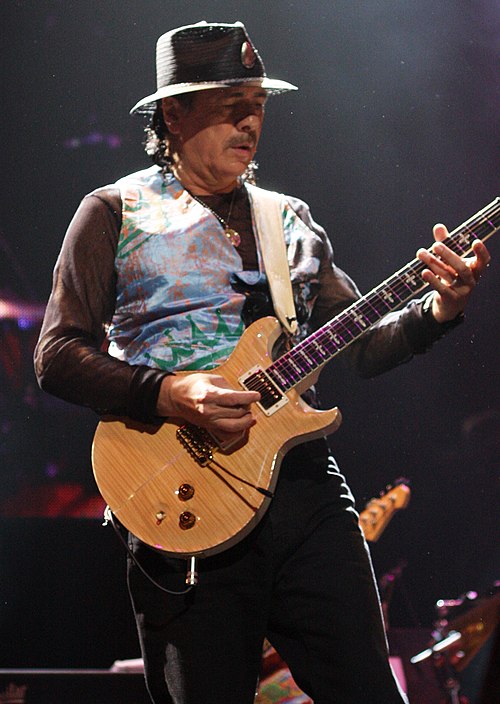
Carlos Santana
Build this rig →
Pete Townshend
Build this rig →
Mark Knopfler
Build this rig →
Lindsey Buckingham
Build this rig →
Peter Frampton
Build this rig →
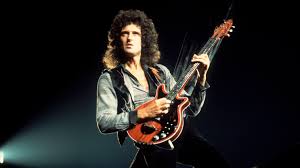
Brian May
Build this rig →
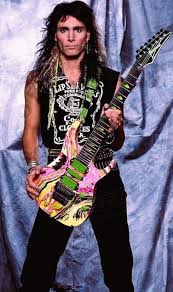
Steve Vai
Build this rig →
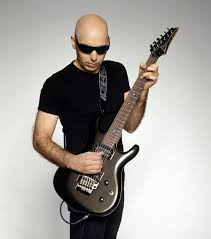
Joe Satriani
Build this rig →
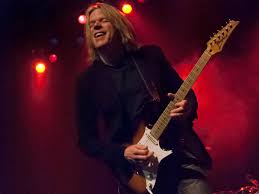
Andy Timmons
Build this rig →
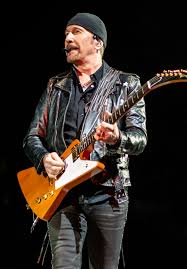
The Edge
Build this rig →
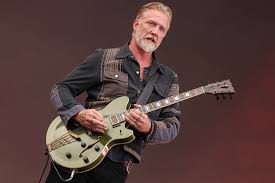
Josh Homme
Build this rig →
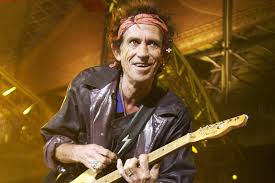
Keith Richards
Build this rig →
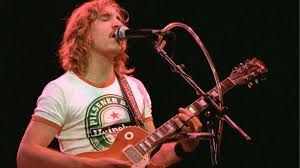
Joe Walsh
Build this rig →




FAQ
Guitar Rig Under £1,000 — Common Questions
Yes — £1,000 is a professional investment. You can buy high-quality instruments that last decades and cover any style.
Under £1,000, consider the Fender American Performer, Gibson Les Paul Standard, or PRS S2 series. These are professional instruments that will last decades.
Under £1,000, a used Fender Deluxe Reverb, Marshall DSL40CR, or Vox AC30 are the benchmarks. These are amps that defined recorded music.
At £1,000, you can budget for 2–3 pedals: an overdrive, a delay, and optionally a wah or tuner. Keep most of the budget on guitar and amp.
At £1,000, avoid vintage guitars without a luthier inspection — condition issues can add £200–400 in repairs invisible in photos. Also skip high-wattage amps (50W+) for home use; a 20–30W combo sounds better when pushed and is the right size for real-world use.