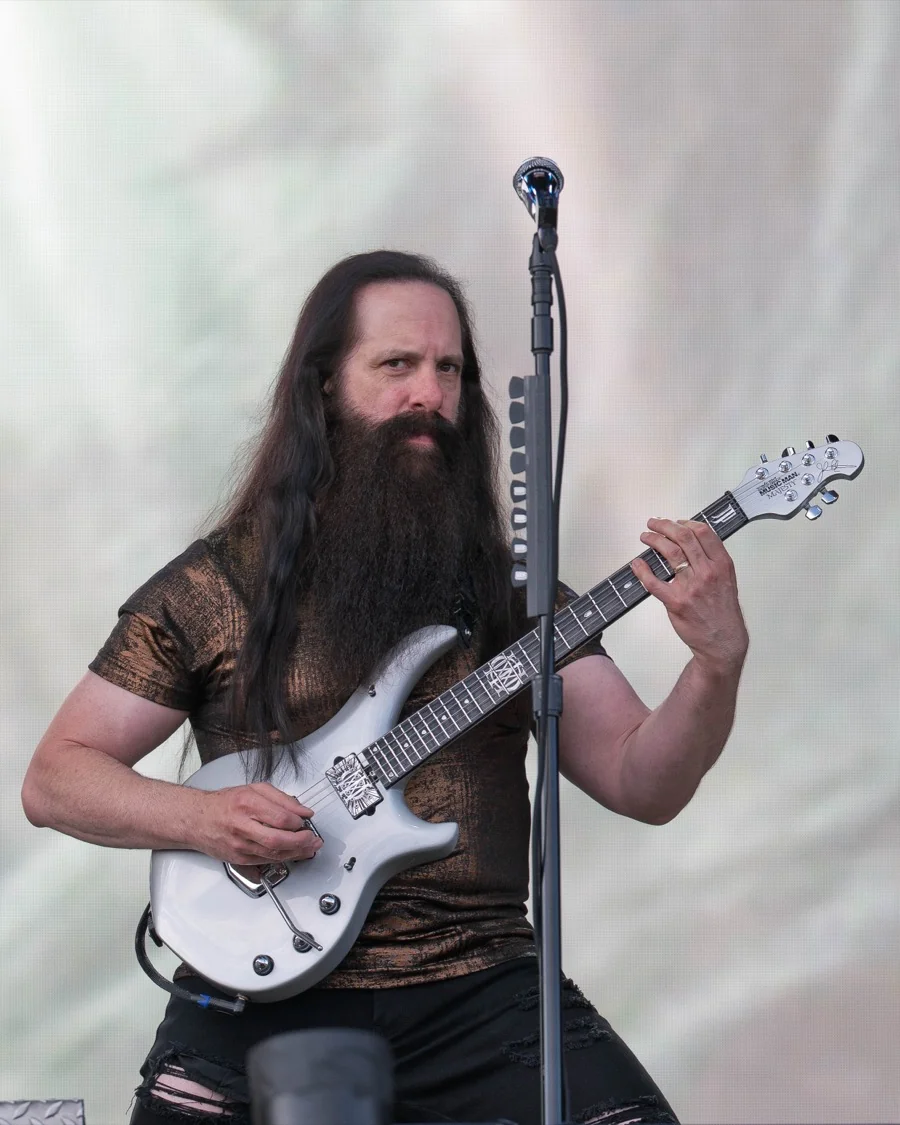
John Petrucci — £1,000 · Pro-Level Tone
At £1,000 · Pro-Level, John Petrucci's layered and compositionally bold tone is more accessible than most players expect. Rooted in an era of reinvention, grunge, and raw expression, their sound — John Petrucci of Dream Theater is the benchmark for progressive metal guitar — combining the precision of a classical musician with the aggression of metal, switching seamlessly between pristine clean passages and brutal high-gain leads. — starts with Jackson JS22 DKA Dinky and Boss Katana 100 MkII, totalling ~£994. That combination captures the defining characteristics without the premium price tag.
Build John Petrucci's £1,000 · Pro-Level Rig
6 pieces · Total ~$1,262
What guitar does John Petrucci use?
John Petrucci is primarily associated with superstrat style guitars. At a £1,000 budget, Jackson JS22 DKA Dinky delivers the essential tonal character.
What to Buy
£1,000 · Pro-Level — Complete Gear List
Can't find one? See alternatives:
Why This Rig Works
How John Petrucci's gear choices create the signature tone
Jackson JS22 DKA Dinky
The Jackson JS22 DKA Dinky provides the tonal foundation for the entire rig — its character shapes everything that follows.
- OverdriveJoyo Vintage Overdrive
- ModulationWalrus Audio Julia
- Delay Enginestudio-grade digital and tape delay echo
- ReverbWalrus Audio Fundamental Reverb
Boss Katana 100 MkII
The extra headroom lets you push the clean channel harder before it breaks up, essential for loud-amp technique. More speaker excursion gives a fuller, more three-dimensional clean.
The Combined Tone
Music Man JP signature guitar (high-output DiMarzio pickups) into a Mesa Boogie JP-2C head. The JP-2C is effectively a Mark V customised for Petrucci — the clean channel is crystal clear with scooped mids, the lead channel delivers liquid high gain with extraordinary note separation at speed.
Tone Tips
Getting the Sound Right
- On the Boss Katana 100 MkII: use the Brown channel — the closest model to a Marshall-voiced preamp at this price. Set character to 8, gain to 5. For John Petrucci's lead volume jump, use the Boost mode rather than adding a separate boost pedal.
- Alternate pick every run — Petrucci's picking discipline is his defining technical characteristic. Legato is used sparingly and intentionally
- The clean-to-heavy dynamic contrast is a Dream Theater signature — the clean tone must be genuinely clean, not slightly dirty
- The Mesa JP-2C runs the lead channel at high gain but mid-forward — do not scoop the mids, the note clarity comes from keeping the midrange present
- Tone knob on the guitar at full — Petrucci never rolls back the tone. All brightness is used
- Practise with a metronome at 60% of target tempo — if the picking mechanics are sloppy at slow tempos, they will be sloppy at speed
- The neck pickup is used for clean passages and some solos — the warmer character suits the melodic sustained lead tones
Avoid These Pitfalls
Common Mistakes When Chasing This Tone
- Not using a gate on the Peavey 6505's high-gain channel — self-noise at this gain level is continuous and audible between notes. A noise gate is not a style choice; it is functional equipment for this gain level
- Forgetting to adjust technique for the different neck profile — thinner, faster necks require less grip pressure. Playing with the same pressure as on a thicker neck causes note choke.
- Too many repeats at high mix — more than 3 repeats makes the delay effect accumulate and overwhelm the dry guitar signal. Keep it to 2-3 repeats at a subtle mix level.
- Scooping mids to "sound heavier" — a guitar with mids removed disappears under bass and drums. Metal tone cuts through a mix, and that requires midrange.
- Using single-coil pickups — the lack of output and mid-frequency push makes it impossible to achieve the tightness needed for high-gain rhythm playing.
Budget Alternatives
Same Tone, Different Budget
FAQ
John Petrucci Tone — Common Questions
John Petrucci is primarily associated with superstrat style guitars. At a £1,000 budget, Jackson JS22 DKA Dinky delivers the essential tonal character.
John Petrucci's amp is high gain voiced — high-gain with significant distortion from the amp itself. At the £1,000 level, Boss Katana 100 MkII is the closest match.
The £1,000 tier adds noticeably better build quality and tonal nuance over the £500 rig. This build totals £994 with Jackson JS22 DKA Dinky, Boss Katana 100 MkII, 4 effects. This is the tier where the tone becomes genuinely convincing for gigging and recording.
John Petrucci's essential pedals include Delay, Modulation, Reverb. At the £1,000 tier: Joyo Vintage Overdrive, Walrus Audio Julia, TC Electronic Flashback 2. Delay is the most important pedal — the others add nuance.
John Petrucci's tone is defined by technical, precise, progressive. The combination of superstrat guitar and high gain amp creates a sound that is immediately recognisable.
John Petrucci's gain approach is high-gain — dedicated high-gain amp channels or heavy drive pedals with significant distortion. At £1,000, this is replicated through Boss Katana 100 MkII paired with Joyo Vintage Overdrive.
John Petrucci — £1,000 · Pro-Level Complete Rig
~£994Guitar
Jackson JS22 DKA Dinky
Overdrive
Joyo Vintage Overdrive
Modulation
Walrus Audio Julia
Amp
Boss Katana 100 MkII
Delay
TC Electronic Flashback 2
Reverb
Walrus Audio Fundamental Reverb
Tone Match
Closest Real-World Tone Match
If you like John Petrucci's tone, these players use a similar approach — same gear philosophy, comparable sound characteristics.
Related Tones