Tone Comparison
Alex Lifeson vs John Petrucci
Side-by-side rig comparison at every budget — signal chains, gear lists, and total cost for each tier.
At a Glance
Alex Lifeson
Gibson ES-335 and Les Paul through Marshall stacks with a large effects rack — Lifeson covers massive power chords, atmospheric clean arpeggios and melodic solos across Rush's catalog.
John Petrucci
Ernie Ball Music Man JP signature through Mesa Boogie — Petrucci's Dream Theater leads balance extreme technical precision with lyrical melody, covering sweeping arpeggios to emotionally charged solos.
Alex Lifeson vs John Petrucci: Gibson ES-335 and Les Paul through Marshall stacks with a large effects rack — Lifeson covers massive power chords, atmospheric clean arpeggios and melodic solos across Rush's catalog. Ernie Ball Music Man JP signature through Mesa Boogie — Petrucci's Dream Theater leads balance extreme technical precision with lyrical melody, covering sweeping arpeggios to emotionally charged solos. Both share Progressive roots, but their gear choices and era create distinctly different sounds. Use the budget tiers below to compare complete signal chains at £200, £500, £1,000, and £2,500.
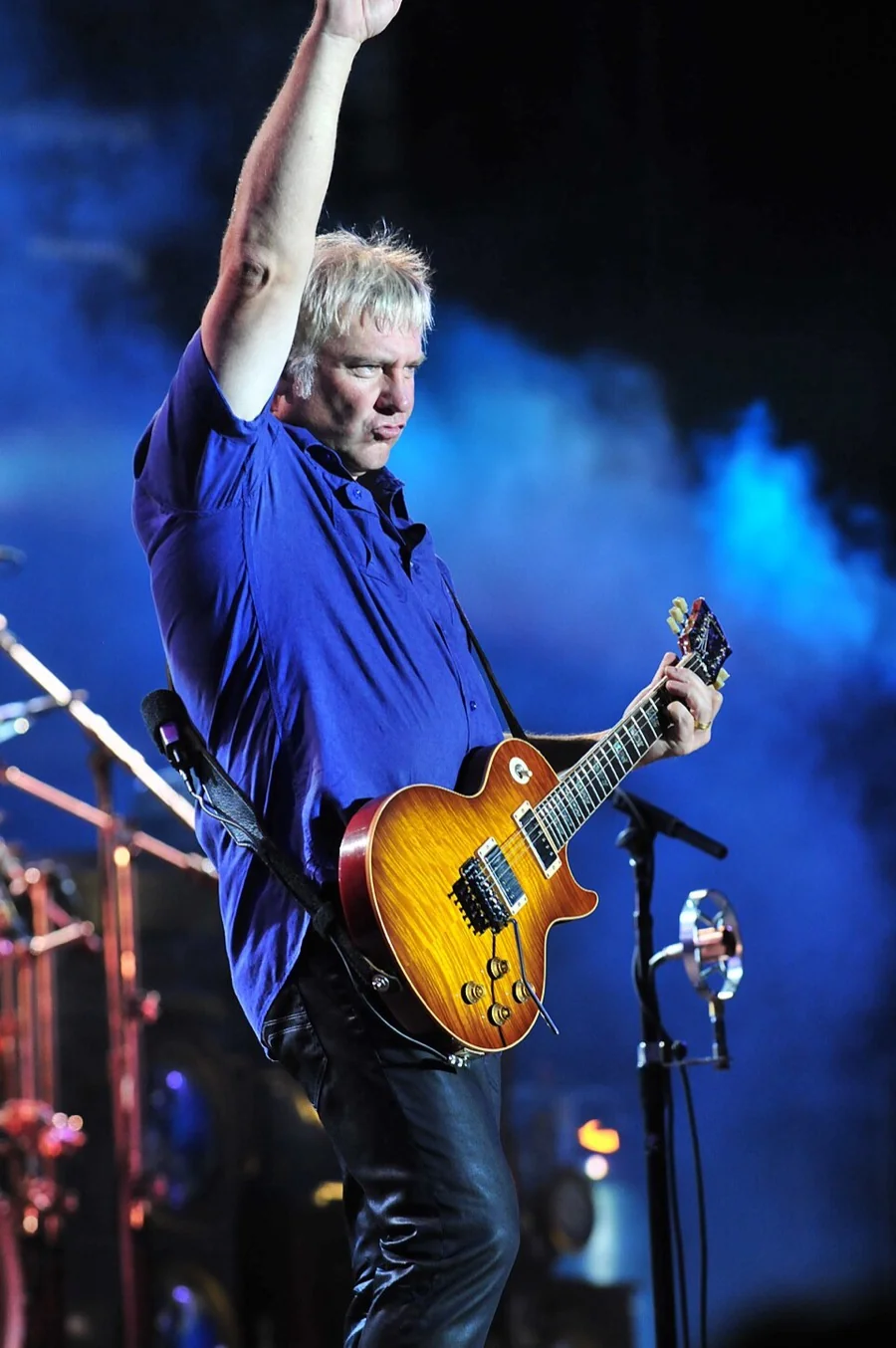
Alex Lifeson
1970s · Progressive, Hard Rock
Gibson ES-335 and Les Paul through Marshall stacks with a large effects rack — Lifeson covers massive power chords, atmospheric clean arpeggios and melodic solos across Rush's catalog.
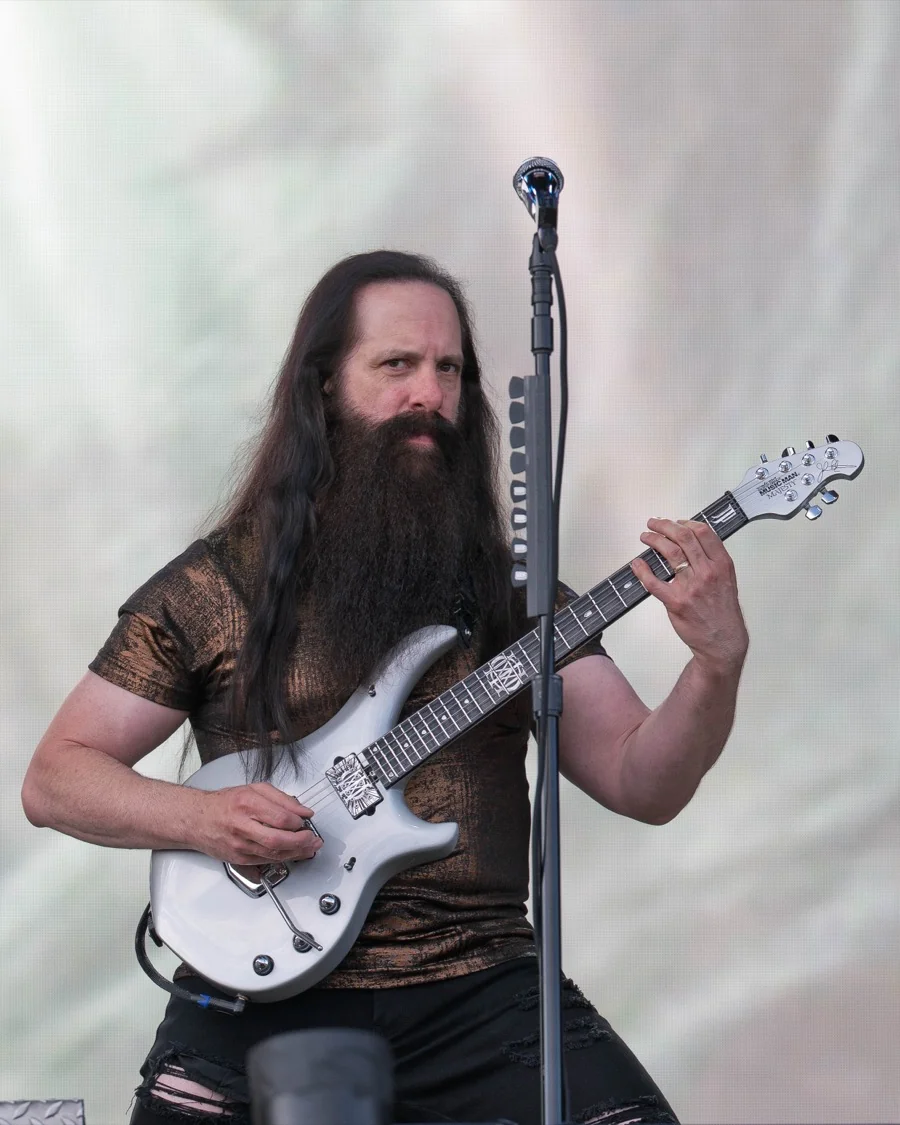
John Petrucci
1990s · Progressive, Metal
Ernie Ball Music Man JP signature through Mesa Boogie — Petrucci's Dream Theater leads balance extreme technical precision with lyrical melody, covering sweeping arpeggios to emotionally charged solos.
Alex Lifeson- GuitarEpiphone SG Special
- AmpBoss Katana 50 MkII
- Epiphone SG SpecialGuitar
- Boss Katana 50 MkIIAmp
- GuitarSquier Classic Vibe 60s Jaguar
- OverdriveJoyo Vintage Overdrive
- AmpBoss Katana 50 MkII
- Ibanez RG421 EXGuitar
- Boss Katana 50 MkIIAmp
- GuitarEpiphone ES-339
- OverdriveBoss SD-1 Super Overdrive
- ChorusTC Electronic Corona Chorus
- AmpBoss Katana 100 MkII
- DelayBoss DD-3T Digital Delay
- Jackson JS22 DKA DinkyGuitar
- Joyo Vintage OverdriveOverdrive
- Walrus Audio JuliaModulation
- Boss Katana 100 MkIIAmp
- TC Electronic Flashback 2Delay
- Walrus Audio Fundamental ReverbReverb
- GuitarEpiphone ES-339
- OverdriveFulltone OCD Overdrive
- ChorusBoss CE-2W Chorus Ensemble
- AmpMarshall DSL100H
- DelayBoss DD-3T Digital Delay
- Ibanez RG550 Genesis CollectionGuitar
- Ibanez TS9 Tube ScreamerOverdrive
- Strymon MobiusModulation
- Marshall DSL40CRAmp
- TC Electronic Flashback 2Delay
- Strymon FlintReverb
Start with the £500 sweet spot
The £500 tier is where the signal chain logic starts to work properly — a real valve amp, the key overdrive pedal, and a complete rig that captures the essential character of the tone.
Hear The Difference — Songs to Compare
Listen to these tracks to understand the tonal difference before choosing an approach. Each song highlights a different characteristic.
Alex Lifeson
♪ LimelightMoving Pictures
ES-335 into Marshall — his definitive prog-rock clean/crunch tone.
♪ Working ManRush
Early heavy riff tone — SG-style guitar into cranked amp, closest to Zeppelin-influenced playing.
John Petrucci
♪ The MirrorAwake
Mesa/Boogie Dual Rectifier + clean channel — the Dream Theater heavy progressive tone.
♪ Pull Me UnderImages and Words
Earlier tone — Ernie Ball Music Man, Mesa/Boogie, more mid-forward than later recordings.
FAQ
Alex Lifeson vs John Petrucci — Common Questions
Alex Lifeson: Gibson ES-335 and Les Paul through Marshall stacks with a large effects rack — Lifeson covers massive power chords, atmospheric clean arpeggios and melodic solos across Rush's catalog. John Petrucci: Ernie Ball Music Man JP signature through Mesa Boogie — Petrucci's Dream Theater leads balance extreme technical precision with lyrical melody, covering sweeping arpeggios to emotionally charged solos. The key difference is in genre, era, and gear — compare their signal chains at each budget tier below.
Yes — both Alex Lifeson and John Petrucci share Progressive and Rock influences. Their gear approaches differ significantly however.
Both tones are achievable on a budget. The key is matching the guitar family and amp voicing correctly — not buying the exact same brand. Review the £500 rigs below for the most cost-effective entry point for each style.
At £500: Alex Lifeson's rig totals ~£527, John Petrucci's rig totals ~£478. Both are achievable from £200 with entry-level gear, up to £2,500 for professional-grade setups.
Final Verdict — Alex Lifeson vs John Petrucci
Alex Lifeson is a Progressive/Hard Rock player — pedal-driven distortion, built around semi hollow/lp guitars into british crunch-voiced amplifiers.
John Petrucci brings Progressive/Metal — high-gain distortion, with superstrat instruments and high gain amp character.
At the £500 entry point, recreating John Petrucci's rig is marginally cheaper — ~£478 versus ~£527.
Best for beginners
Alex Lifeson
Alex Lifeson's Progressive/Hard Rock style uses pedal-driven distortion — the techniques are widely documented and the gear is forgiving at lower budgets.
Best for metal tones
John Petrucci
John Petrucci's high-gain distortion approach and Progressive/Metal roots provide the gain structure and technique library closest to metal playing.
Best value to recreate
John Petrucci
John Petrucci's £500 rig totals ~£478 — slightly less than ~£527 for the other. Both deliver authentic character at this tier.
At a Glance
| Alex Lifeson | John Petrucci | |
|---|---|---|
| Era | 1970s | 1990s |
| Genre | Progressive, Hard Rock | Progressive, Metal |
| Gain structure | pedal-driven distortion | high-gain distortion |
| Guitar type | semi hollow/lp | superstrat |
| Amp voicing | british crunch | high gain |
| £500 rig total | ~£527 | ~£478 |