£2,500 · Premium Guitar Rig Guide
The £2,500 · Premium tier targets authentic recreation at a professional level. At £2,500 you can afford the exact guitars, boutique amplifiers and signature pedals that the original players used. These are the ToneStakr premium builds — as close to the real thing as a budget rig can get.
133 guitarists · All rigs engine-generated
For a complete guitar rig under $3,175, you need three things: a guitar (budget $508–$762), an amp (budget $318–$572), and one essential pedal. The rigs below show how 133+ guitarists approach this price point — each built to capture authentic tone within the budget.
⭐ Premium Build for £2,500
The £2,500 tier allows authentic recreation using the original or near-original equipment. At this point, the limiting factor is almost entirely technique and musical knowledge, not gear. Focus on one great amp rather than multiple — boutique tube amps at this price significantly outperform mid-range alternatives, and the difference becomes audible immediately.
- High-wattage tube amps need to be played at appropriate volumes — consider an attenuator (£100–300).
- Insurance is worth considering at this investment level.
- Boutique pedals offer marginal improvement over quality mass-market pedals at this price — buy gear, not brand.
What You DON'T Need at $3,175
At £2,500, the budget is no longer the constraint — judgement is. Expensive gear doesn't guarantee better tone; it guarantees more complex maintenance and higher stakes if something fails on stage.
- Vintage guitars above £1,500 without a professional luthier inspection
Instrument fraud increases significantly above this price point. Re-sprayed bodies, replaced necks, and swapped-out hardware are common and often invisible in photos. A third-party luthier inspection (£80–150) is non-negotiable before any vintage purchase at this level.
- Full modular effects systems for live use
Modular systems (Eurorack, complex loop switchers) are designed for studio experimentation, not stage reliability. A compact, well-chosen 4–5 pedal board is more stage-ready, far easier to troubleshoot mid-set, and more reproducible night to night.
- High-end rack preamps for home or small venue use
The tonal difference between a Fender Deluxe Reverb and a £2,000 rack preamp + power amp rig is unmeasurable below 85dB in most room acoustics. Match your gear complexity to your actual performance context — more gear is not always better gear.
- Premium boutique cables above Mogami/Canare level
No blind listening test has ever demonstrated an audible difference between a Mogami Gold instrument cable (£25) and a £120 boutique cable at any frequency range relevant to guitar. Cable mythology is the most persistent expensive mistake in guitar gear — and the easiest to avoid.
Shop by Category
Best Gear Under $3,175
Genre Rigs
Complete Rigs by Style — £2,500 · Premium
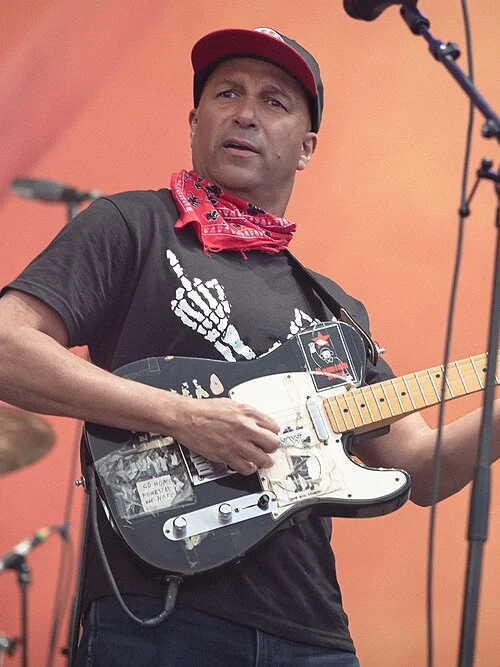
Tom Morello
Build this rig →
Billy Corgan
Build this rig →
J Mascis
Build this rig →
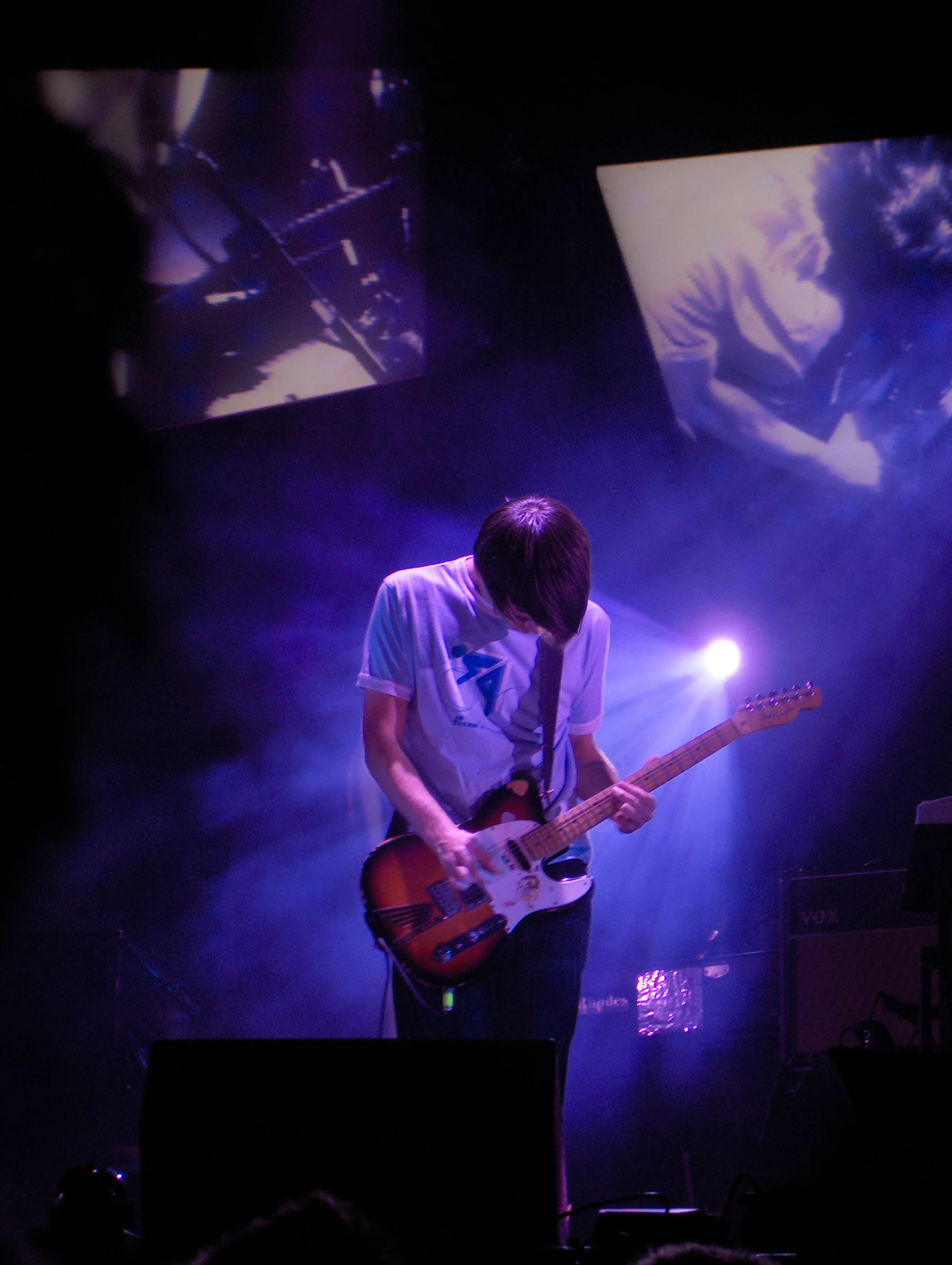
Jonny Greenwood
Build this rig →
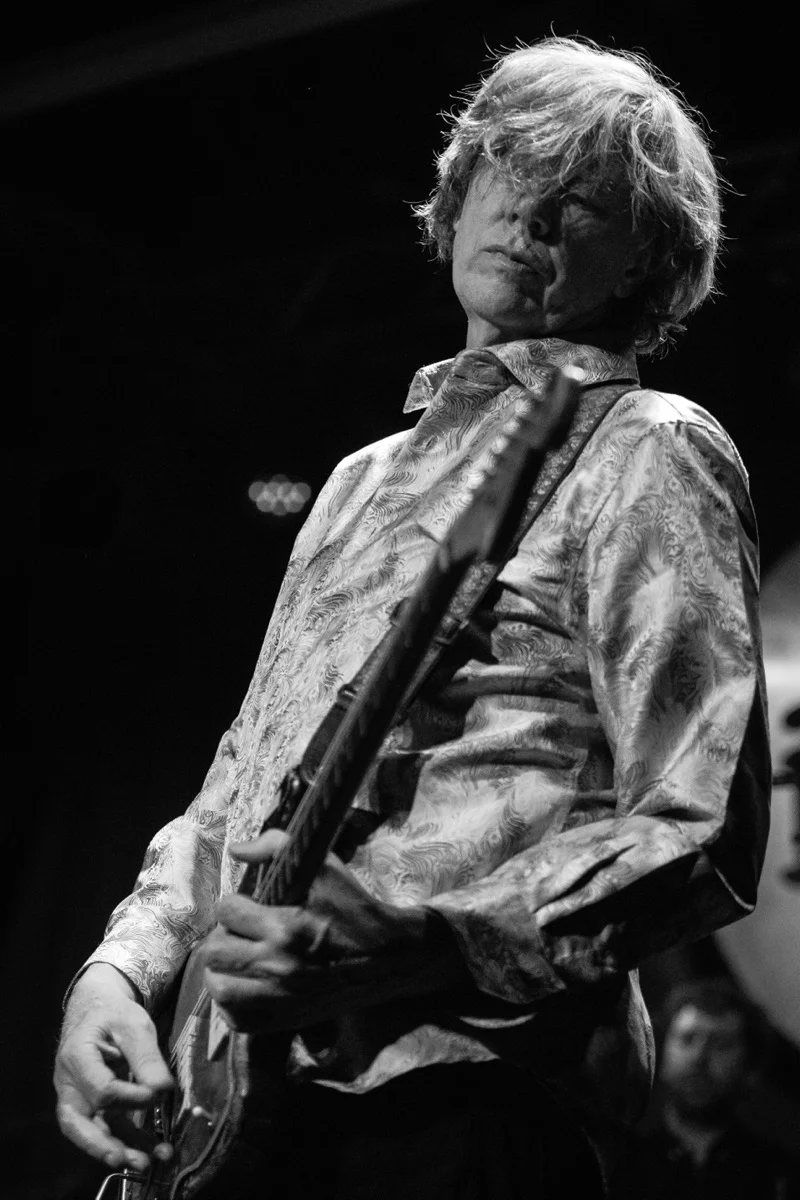
Thurston Moore
Build this rig →
Dave Navarro
Build this rig →
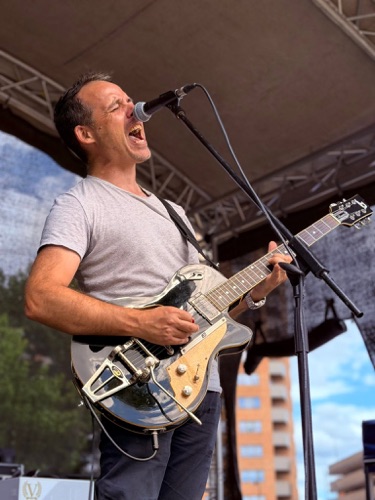
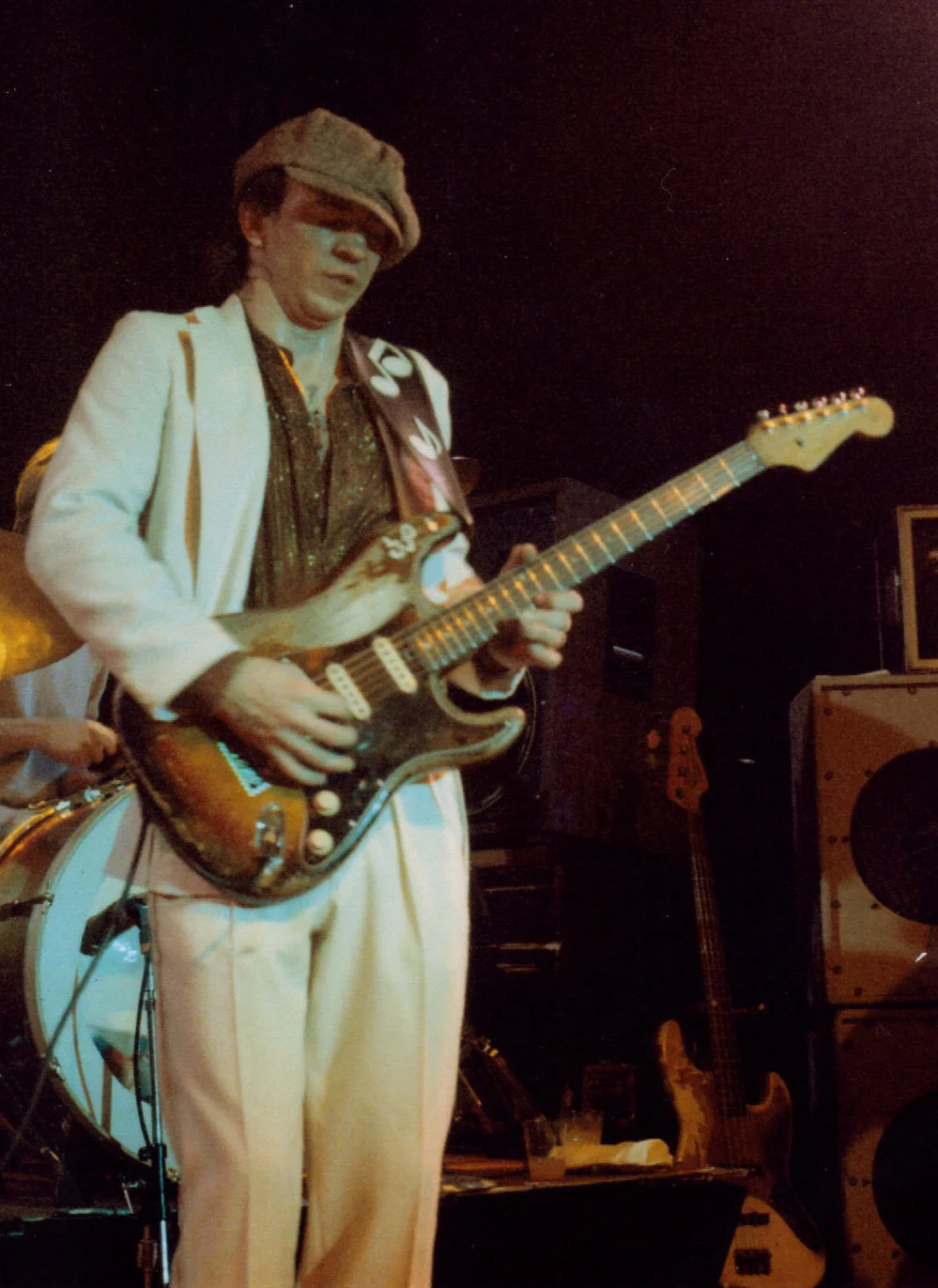
Stevie Ray Vaughan
Build this rig →
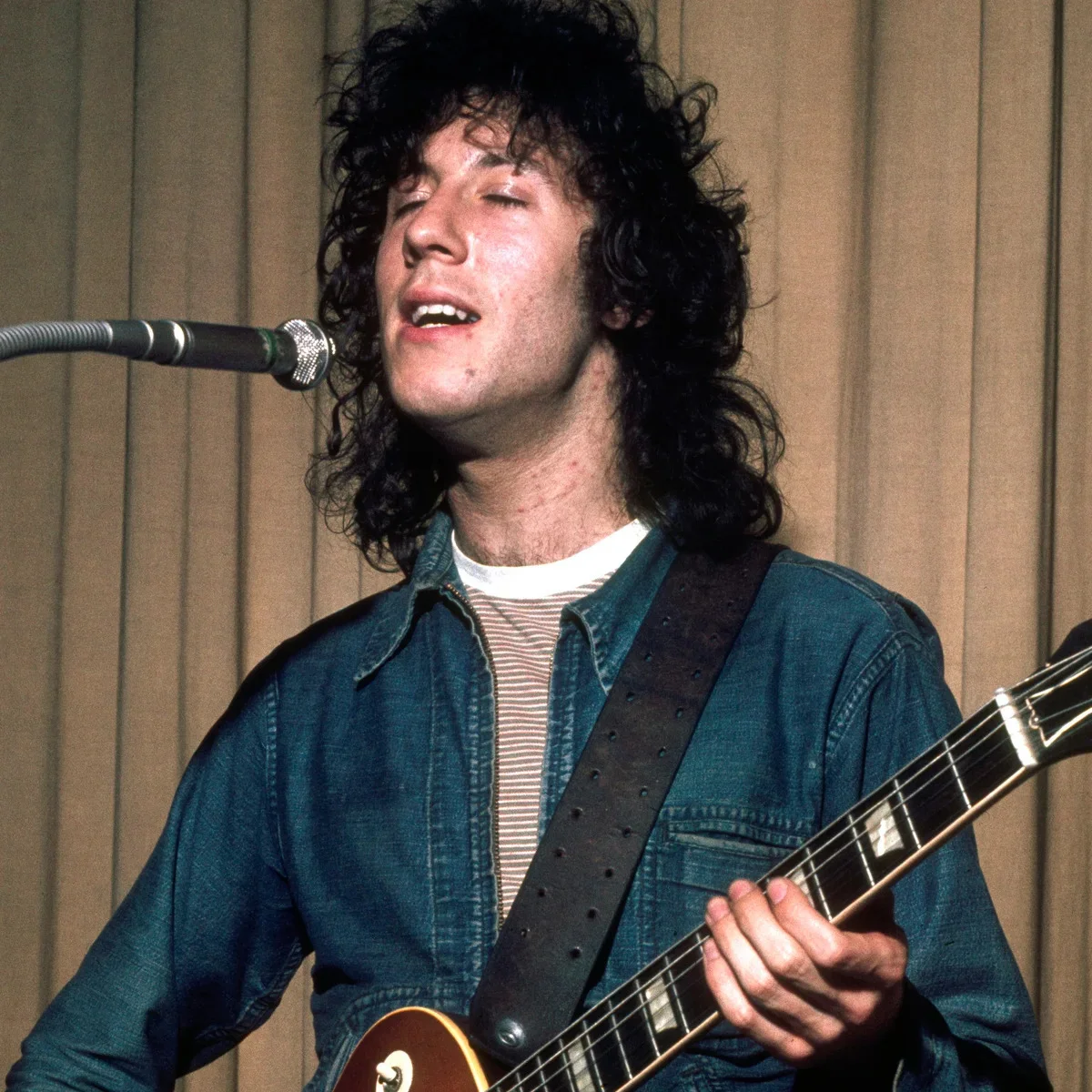
Peter Green
Build this rig →
BB King
Build this rig →
Albert King
Build this rig →
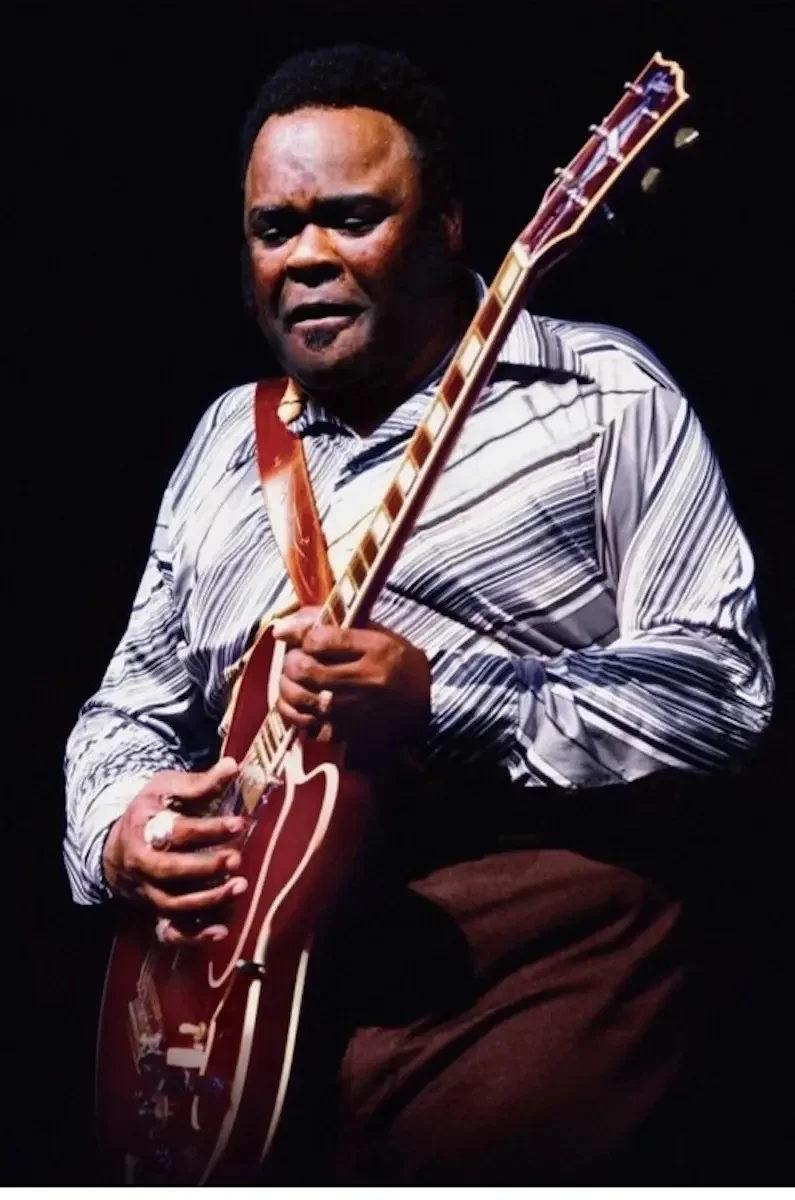
Freddie King
Build this rig →
Gary Clark Jr
Build this rig →
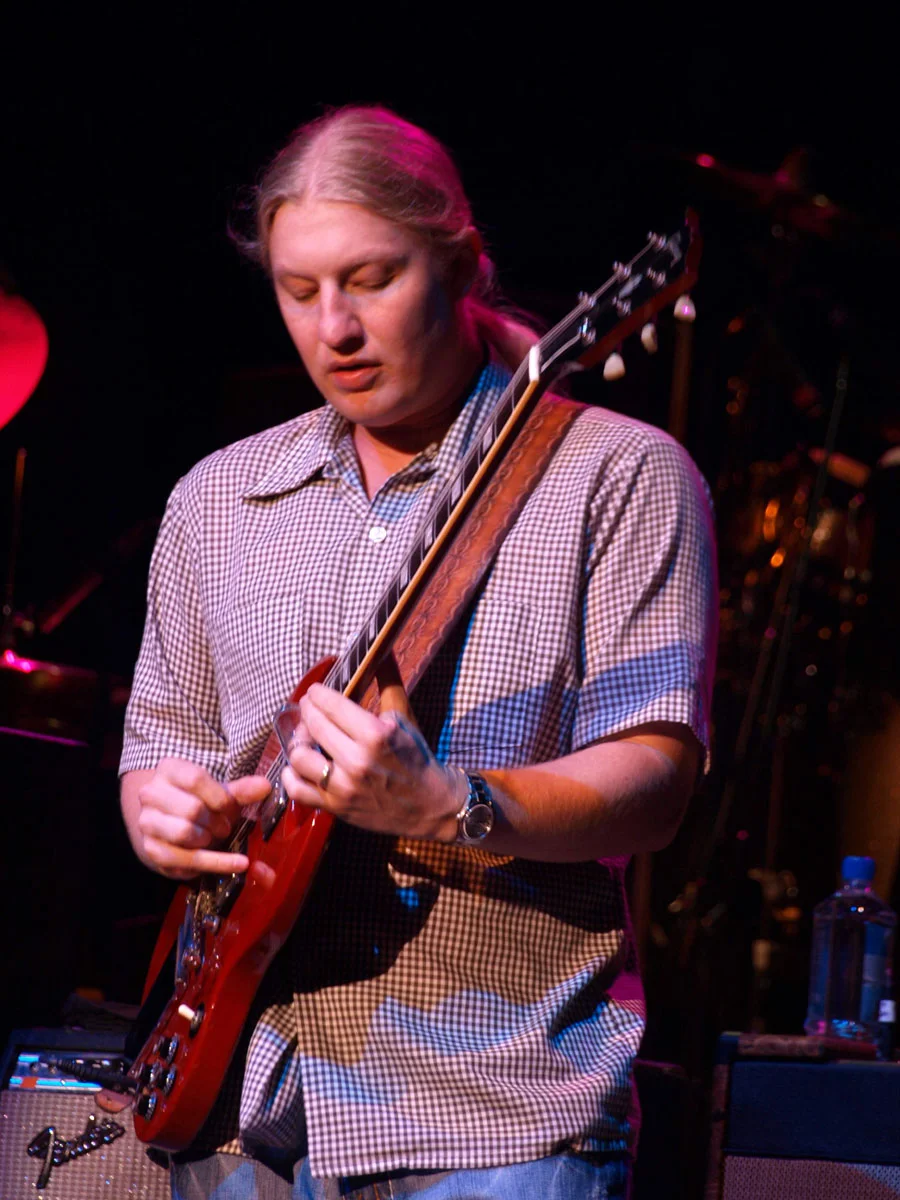
Derek Trucks
Build this rig →
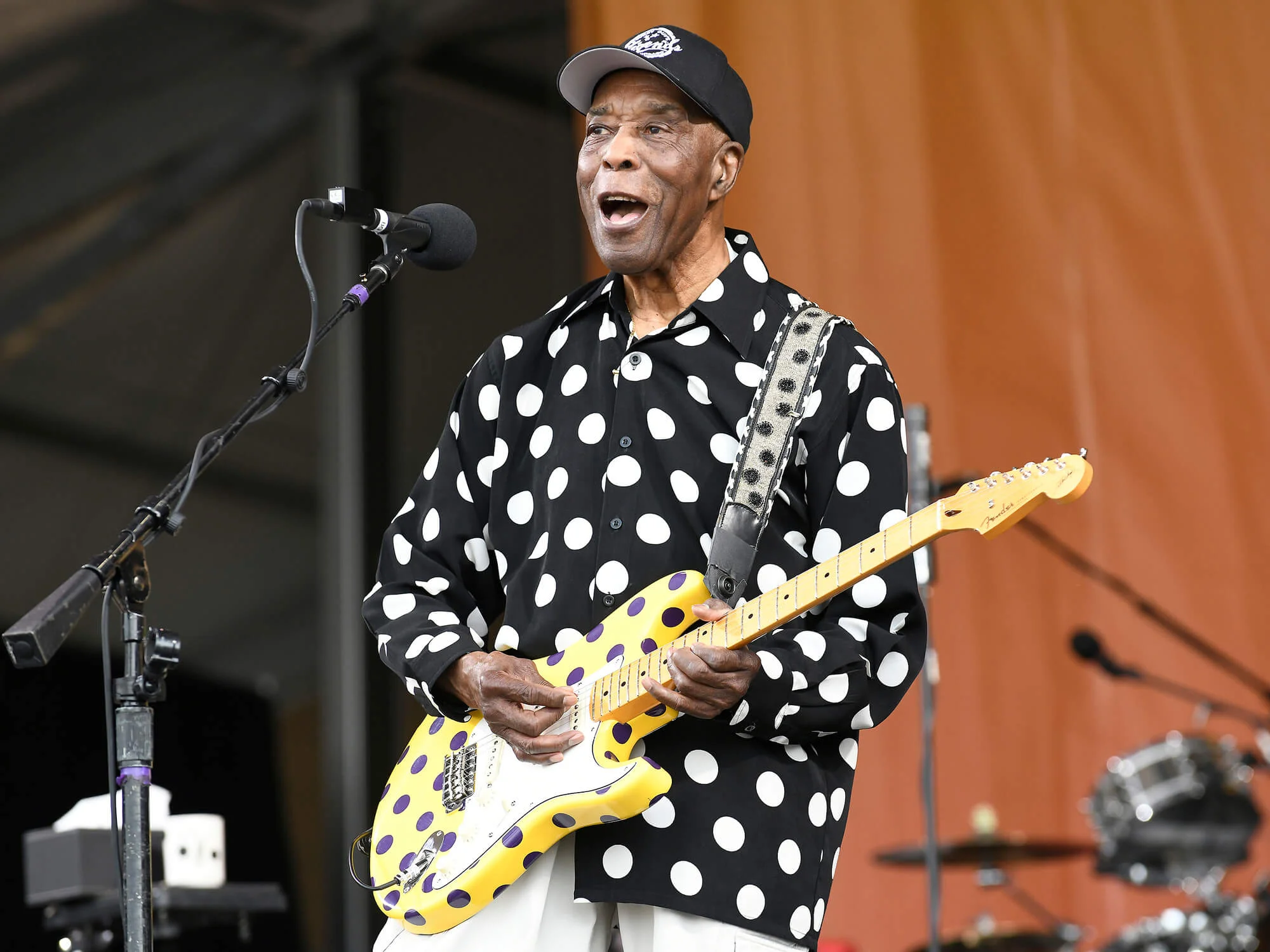
Buddy Guy
Build this rig →
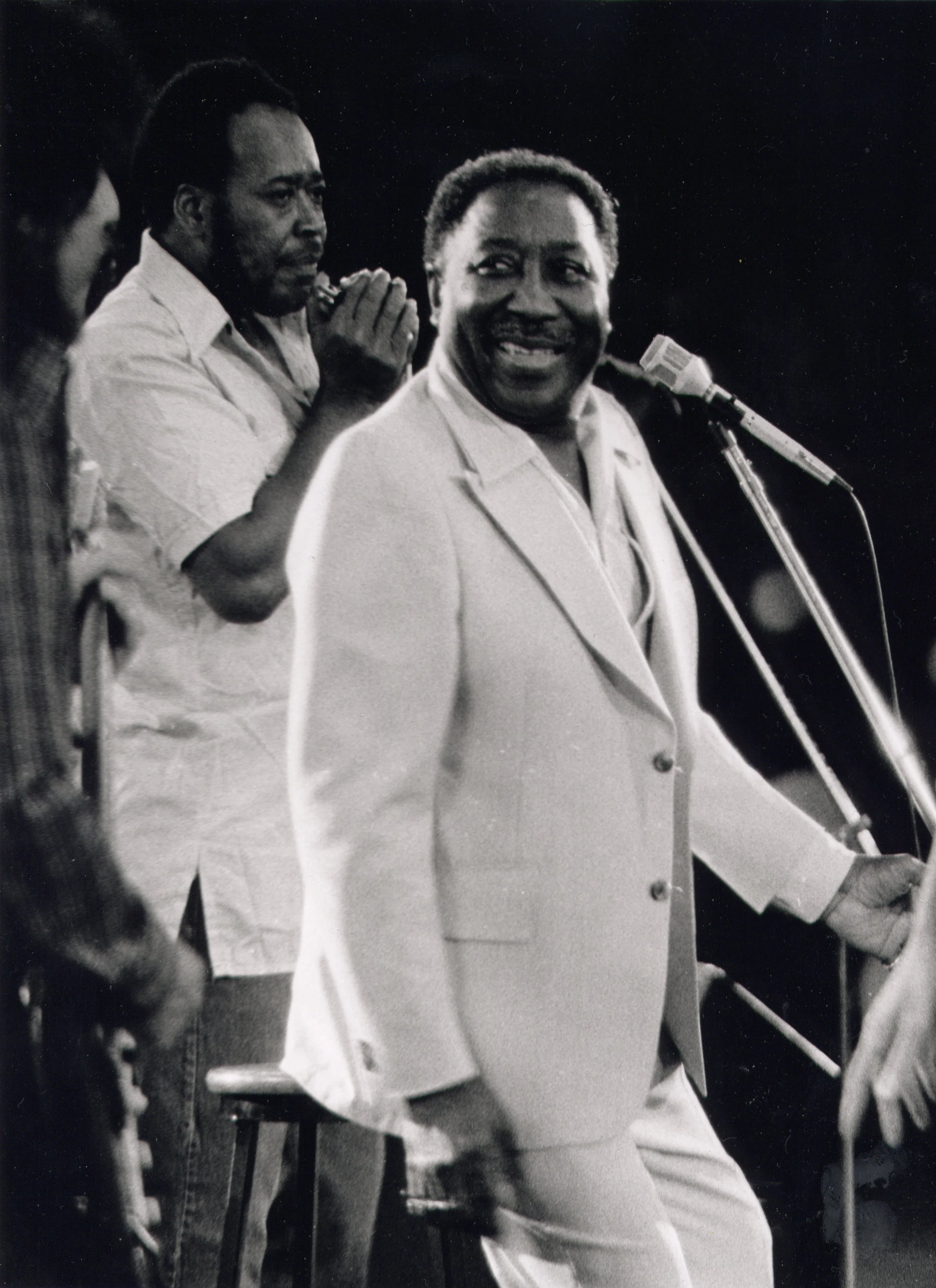
Muddy Waters
Build this rig →
Robert Johnson
Build this rig →
John Lee Hooker
Build this rig →
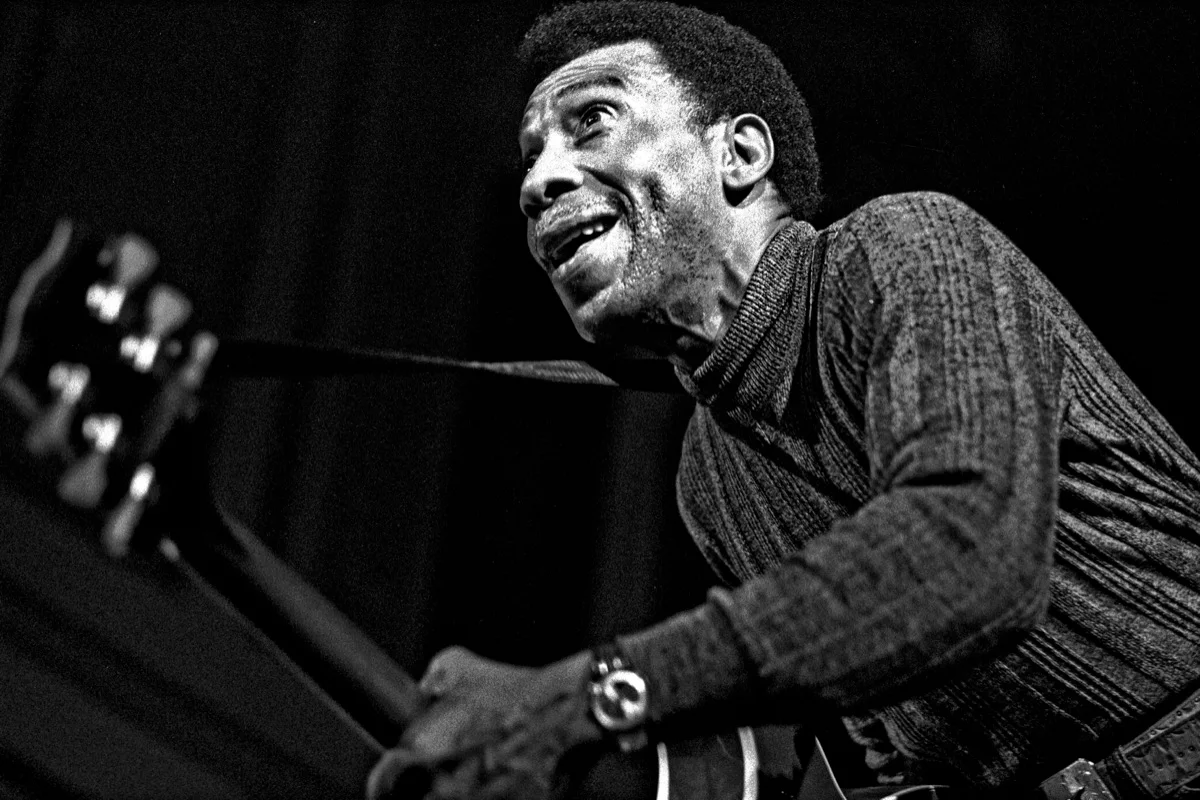
T-Bone Walker
Build this rig →
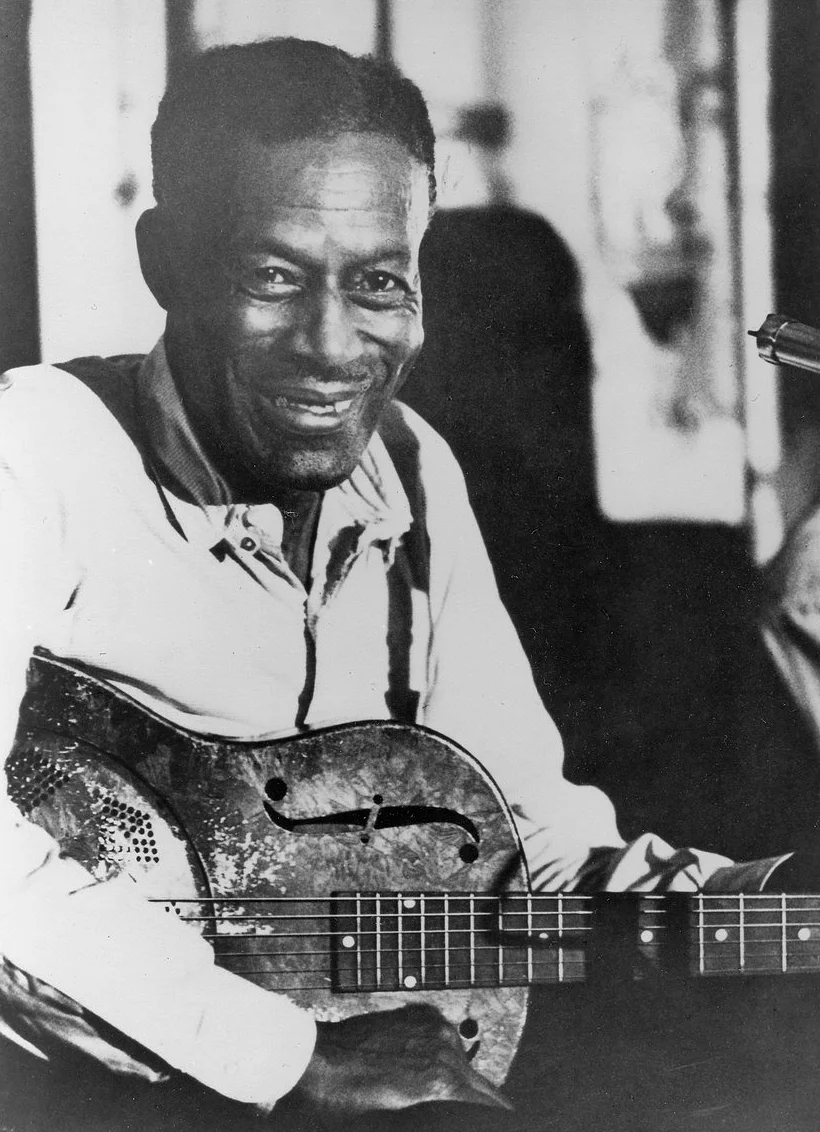
Son House
Build this rig →
Elmore James
Build this rig →
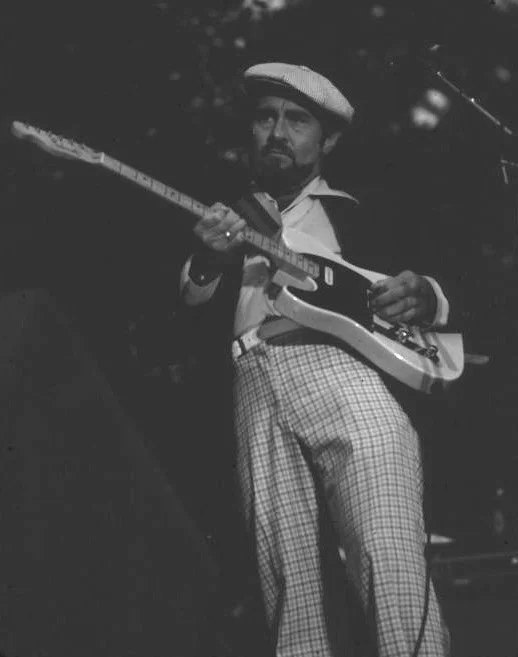
Roy Buchanan
Build this rig →
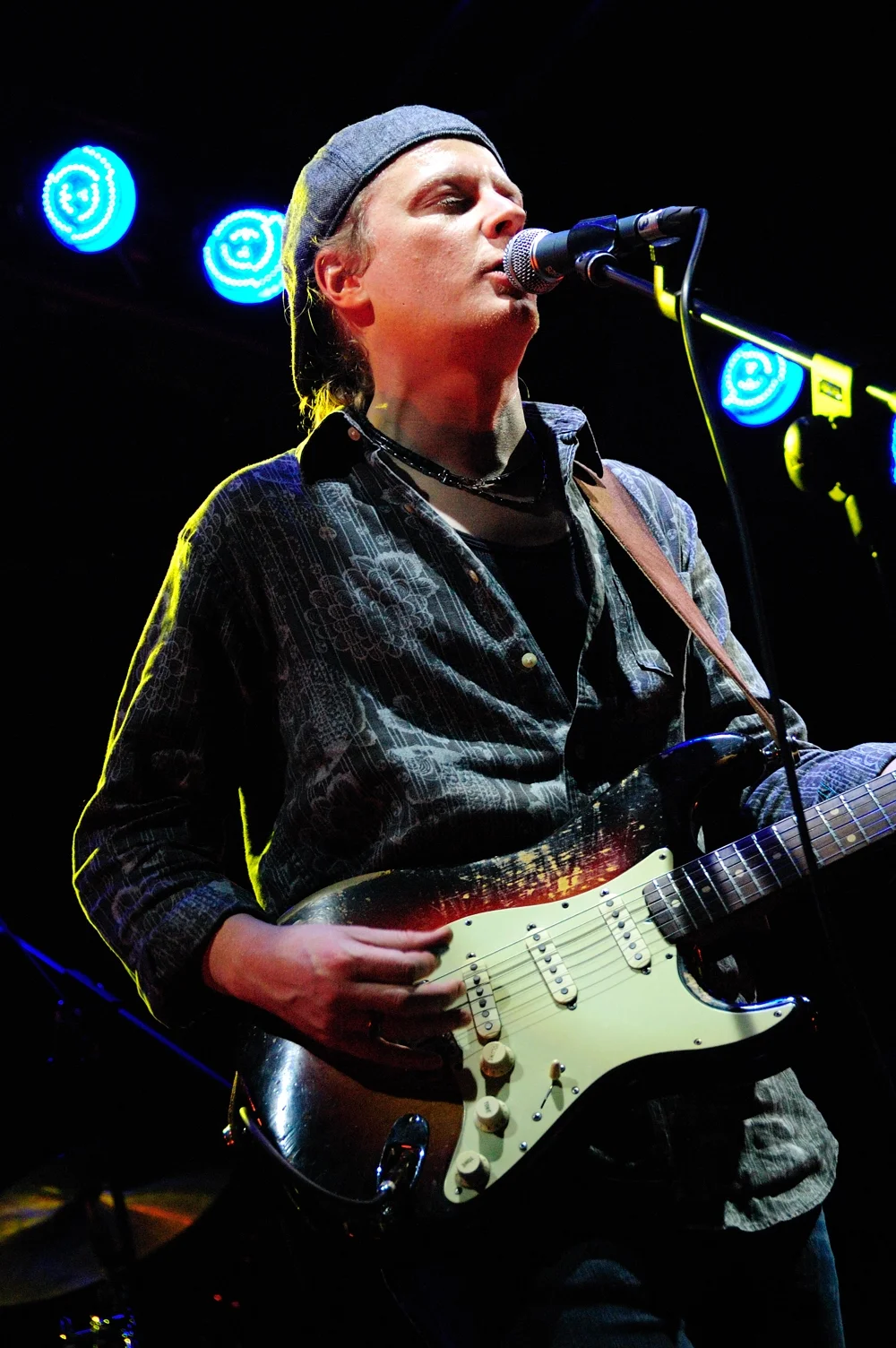
Matt Schofield
Build this rig →
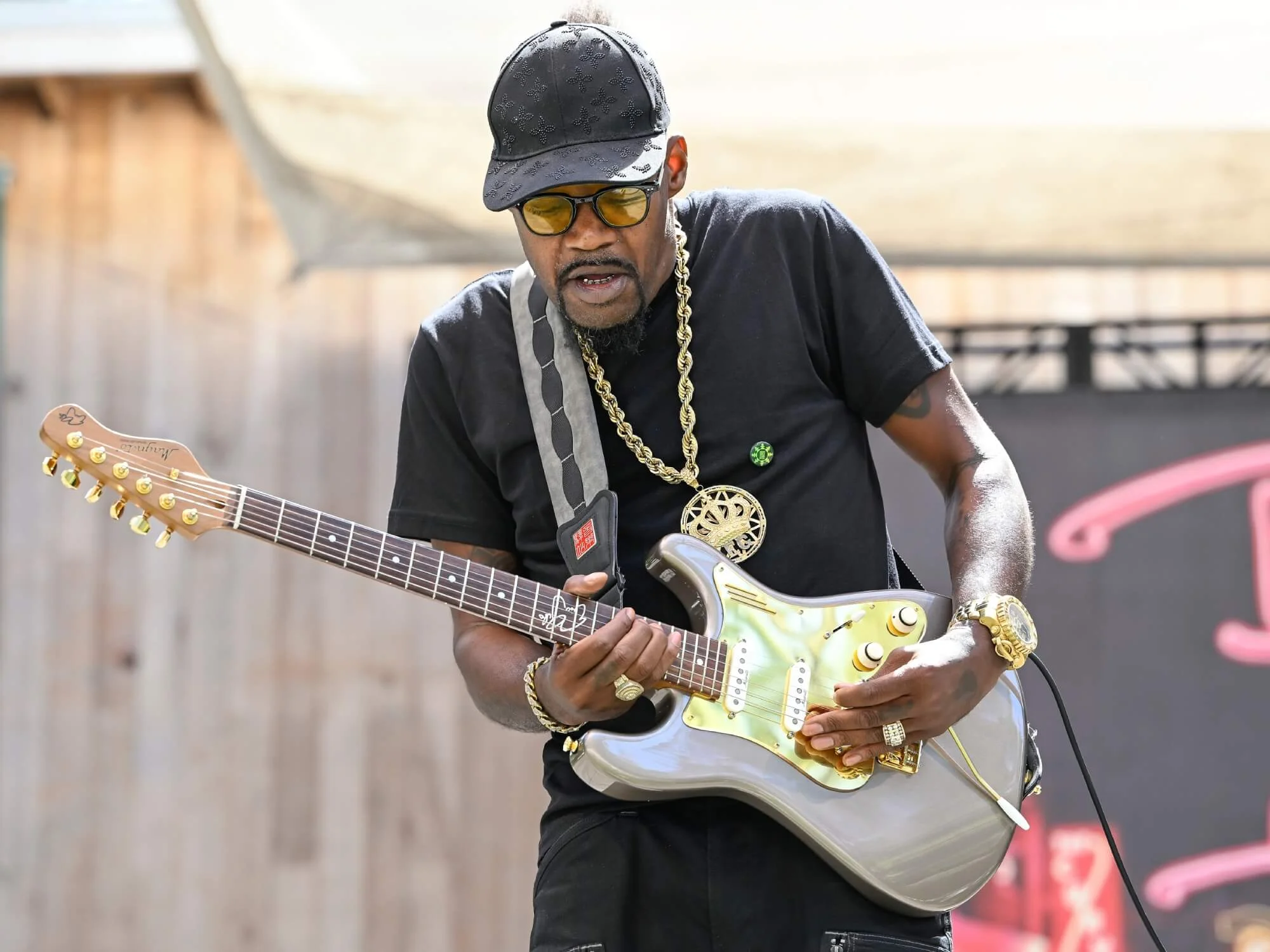
Eric Gales
Build this rig →
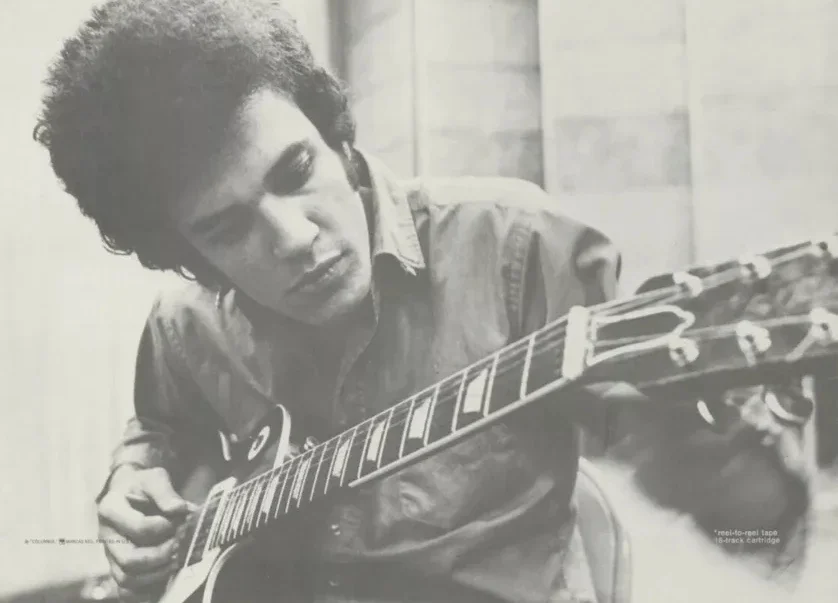
Mike Bloomfield
Build this rig →
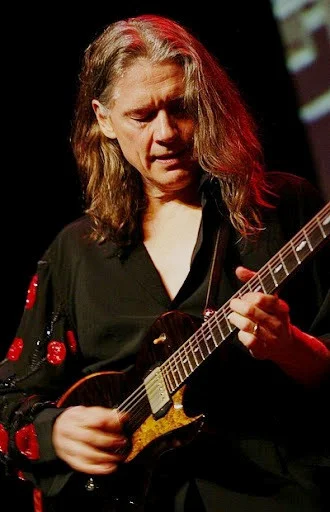
Robben Ford
Build this rig →
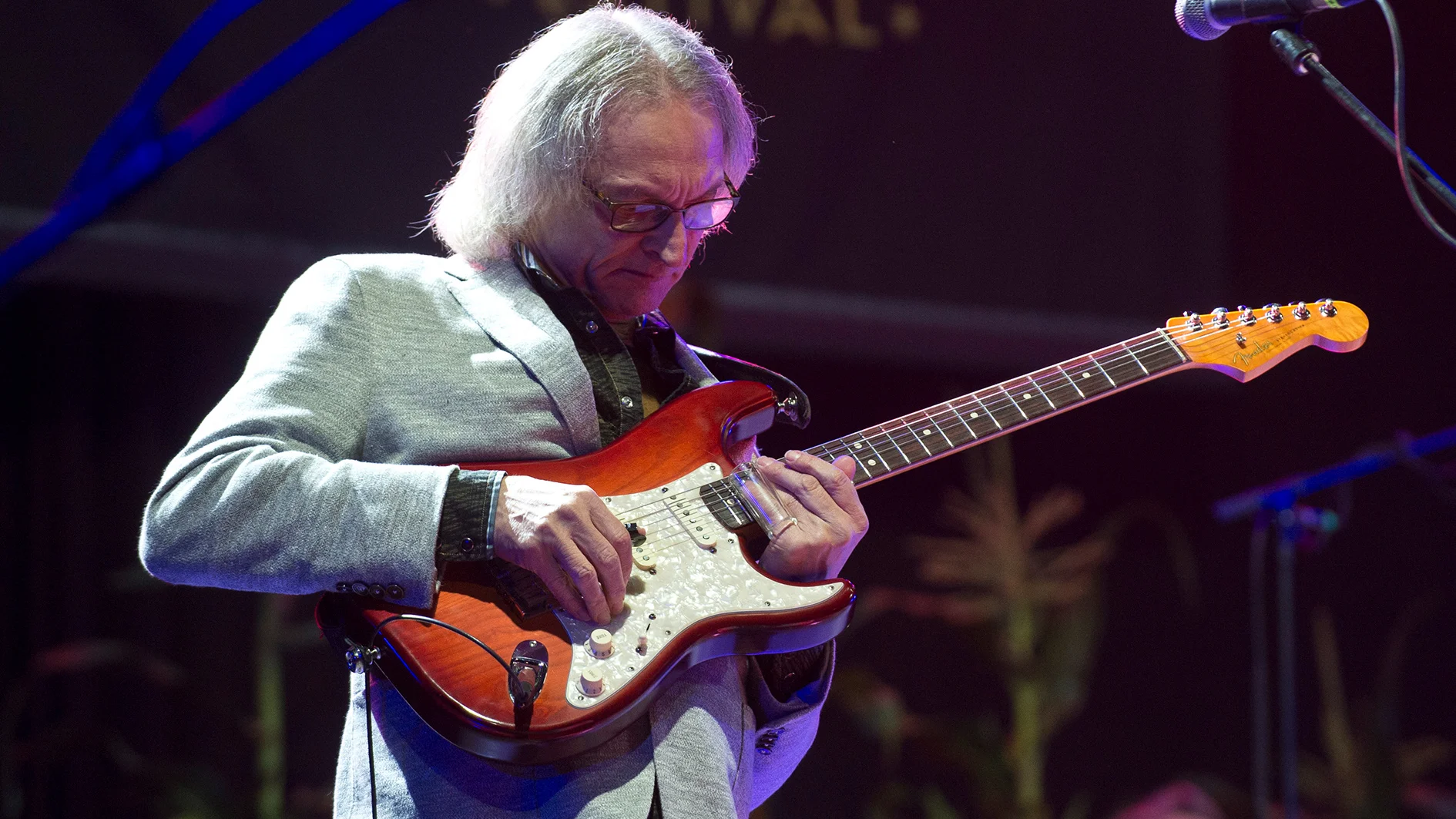
Sonny Landreth
Build this rig →

John Mayer
Build this rig →
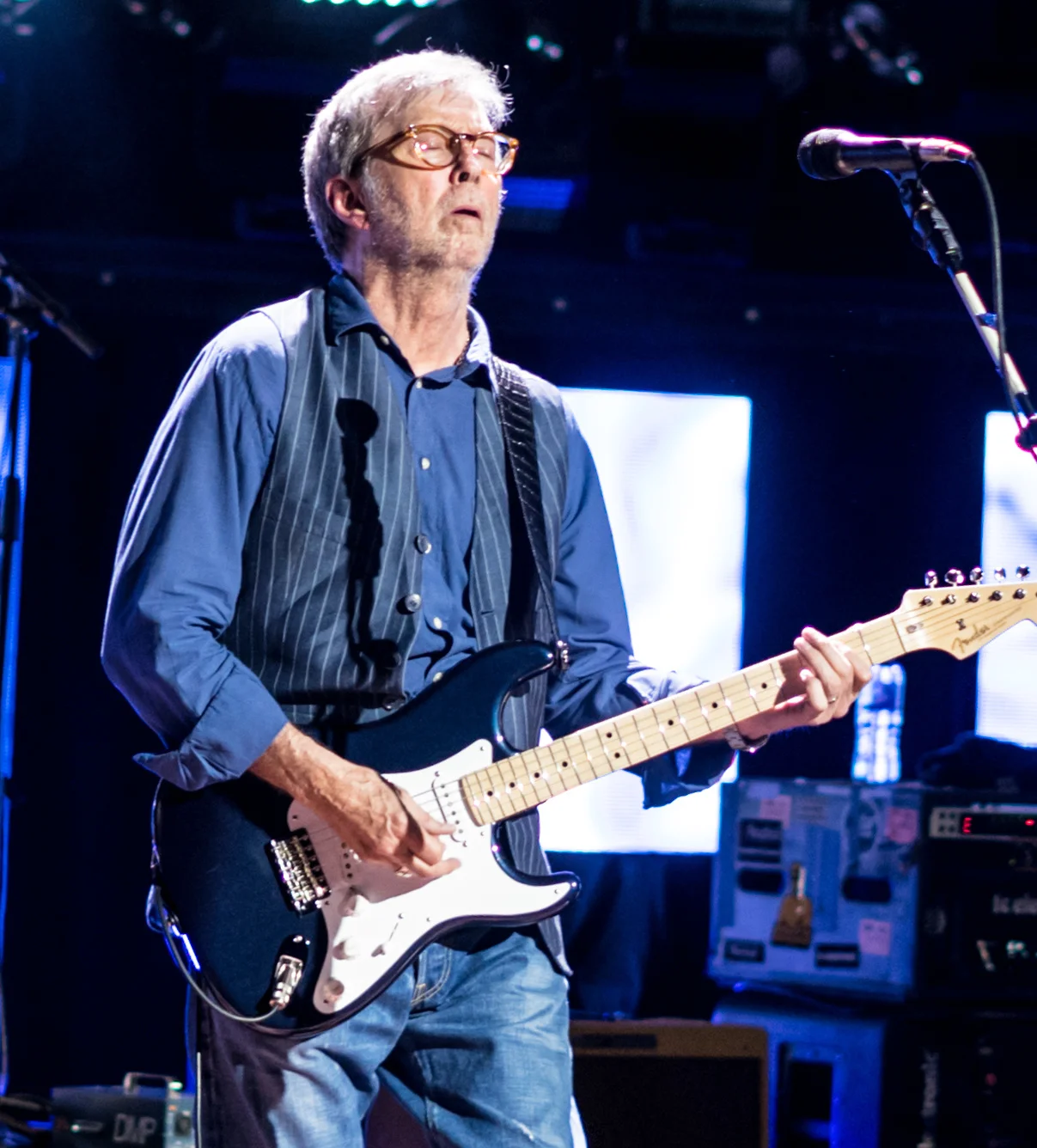
Eric Clapton
Build this rig →
Jack White
Build this rig →
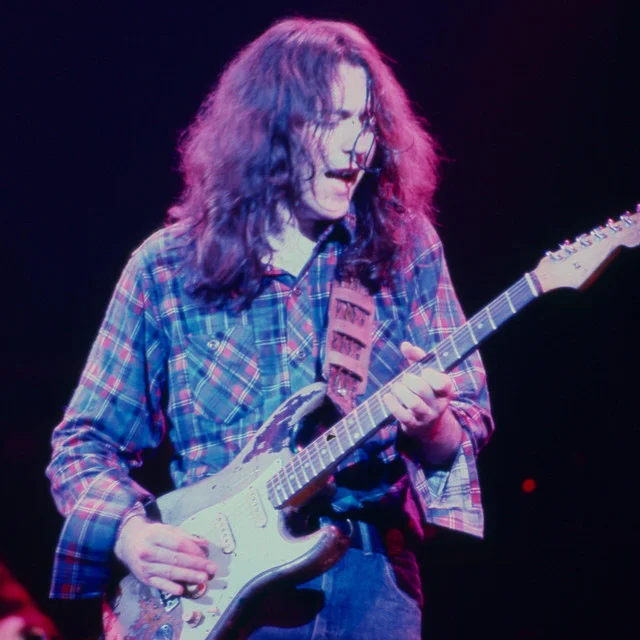
Rory Gallagher
Build this rig →
Robin Trower
Build this rig →
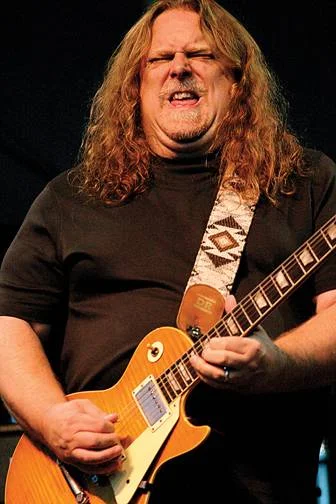
Warren Haynes
Build this rig →
Duane Allman
Build this rig →
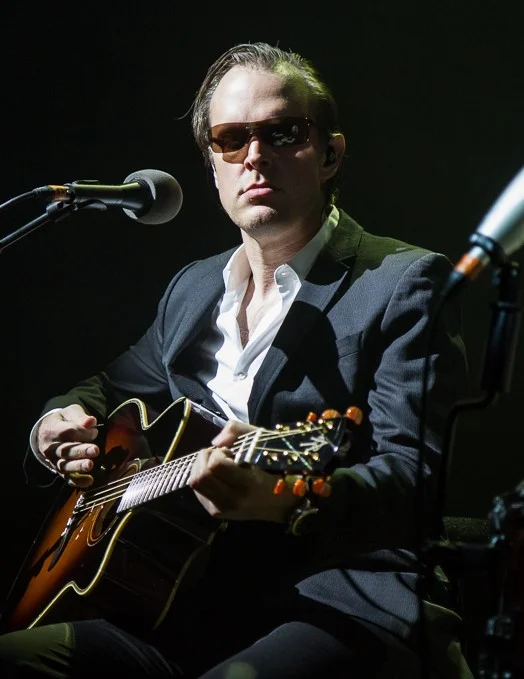
Joe Bonamassa
Build this rig →
Gary Moore
Build this rig →
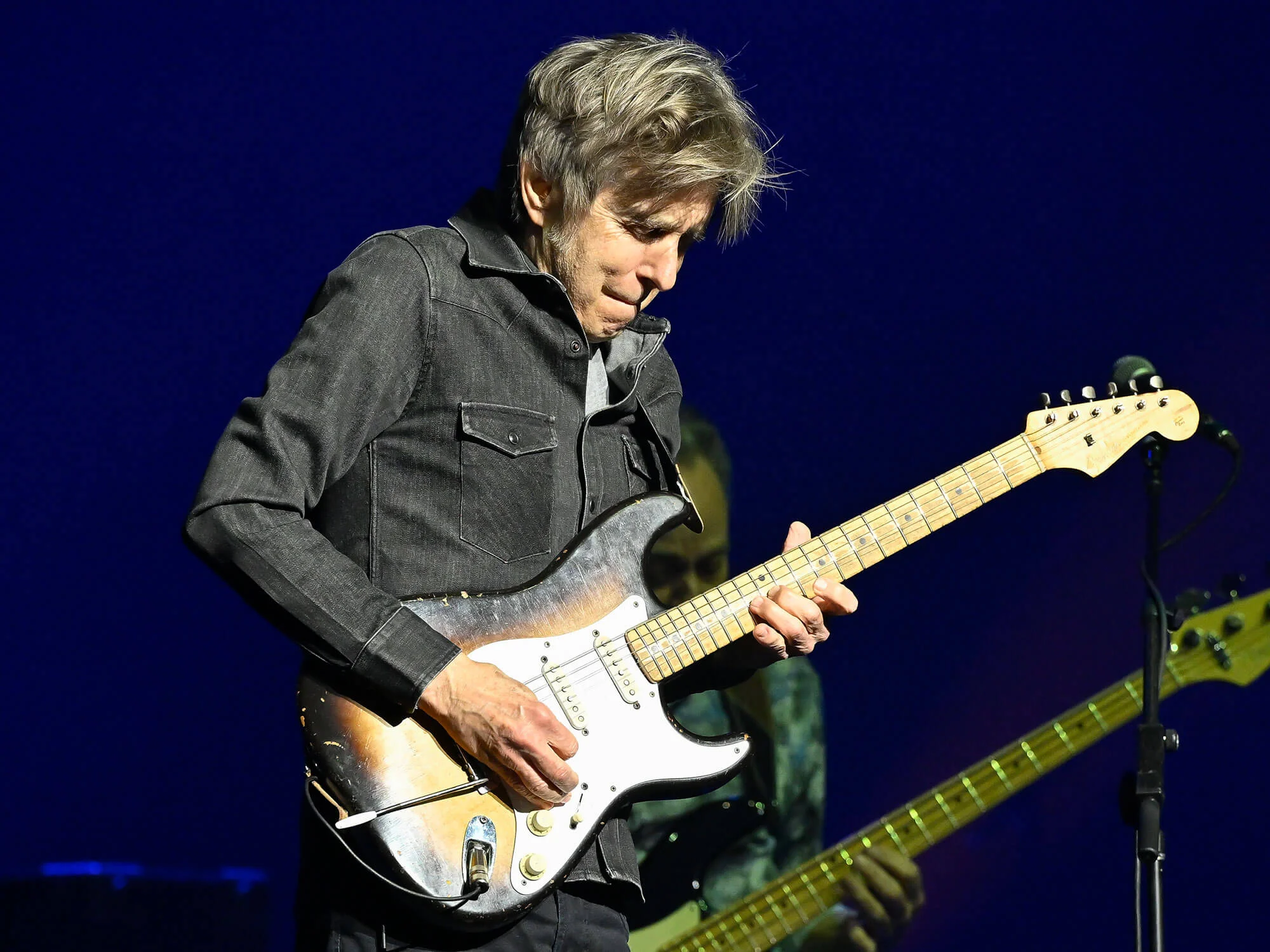
Eric Johnson
Build this rig →
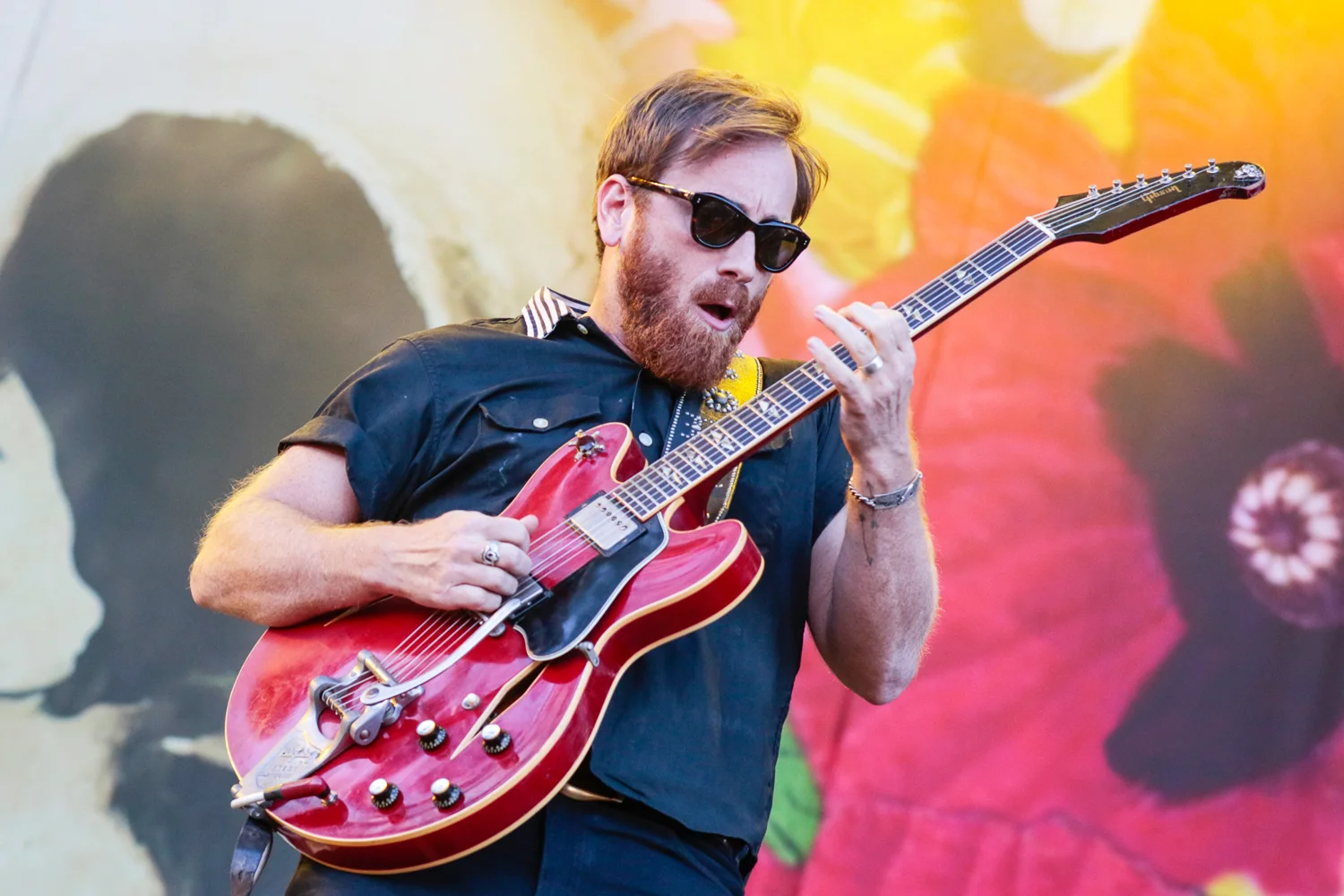
Dan Auerbach
Build this rig →
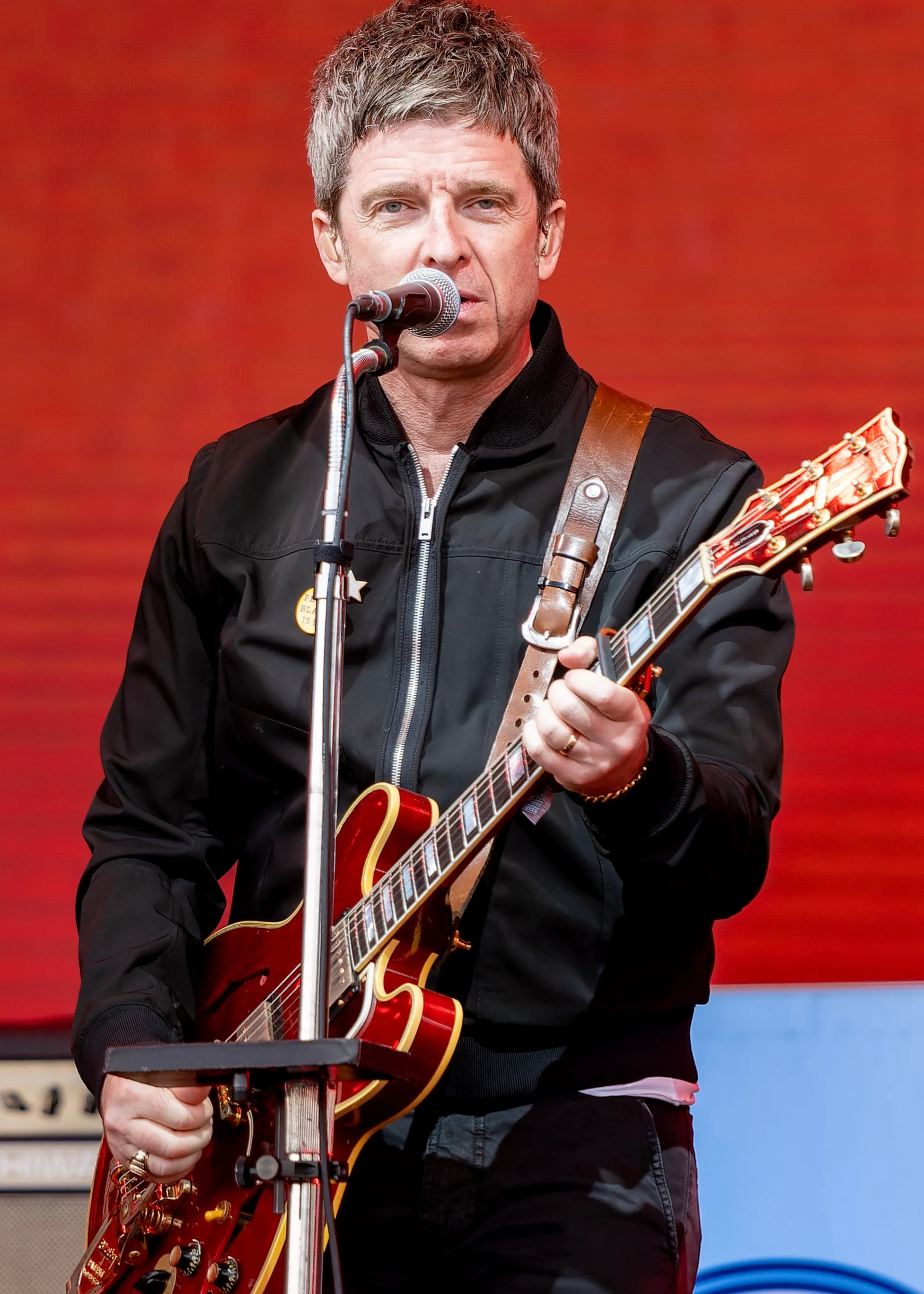
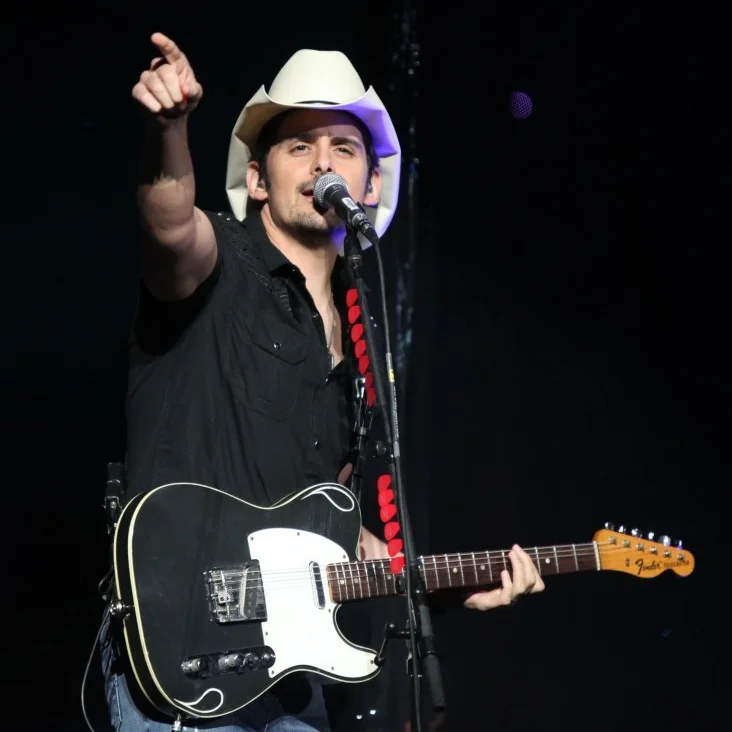

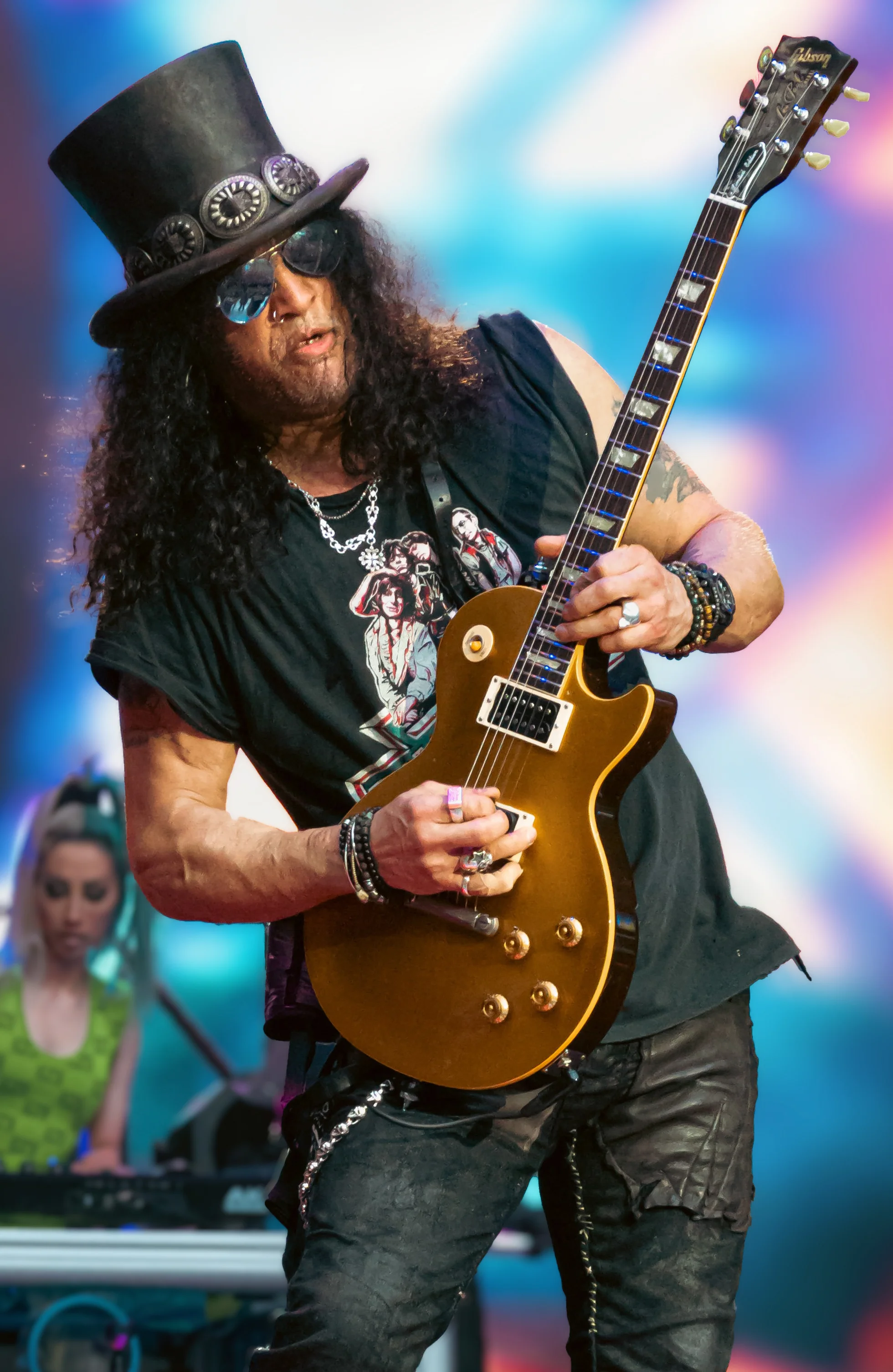
Slash
Build this rig →
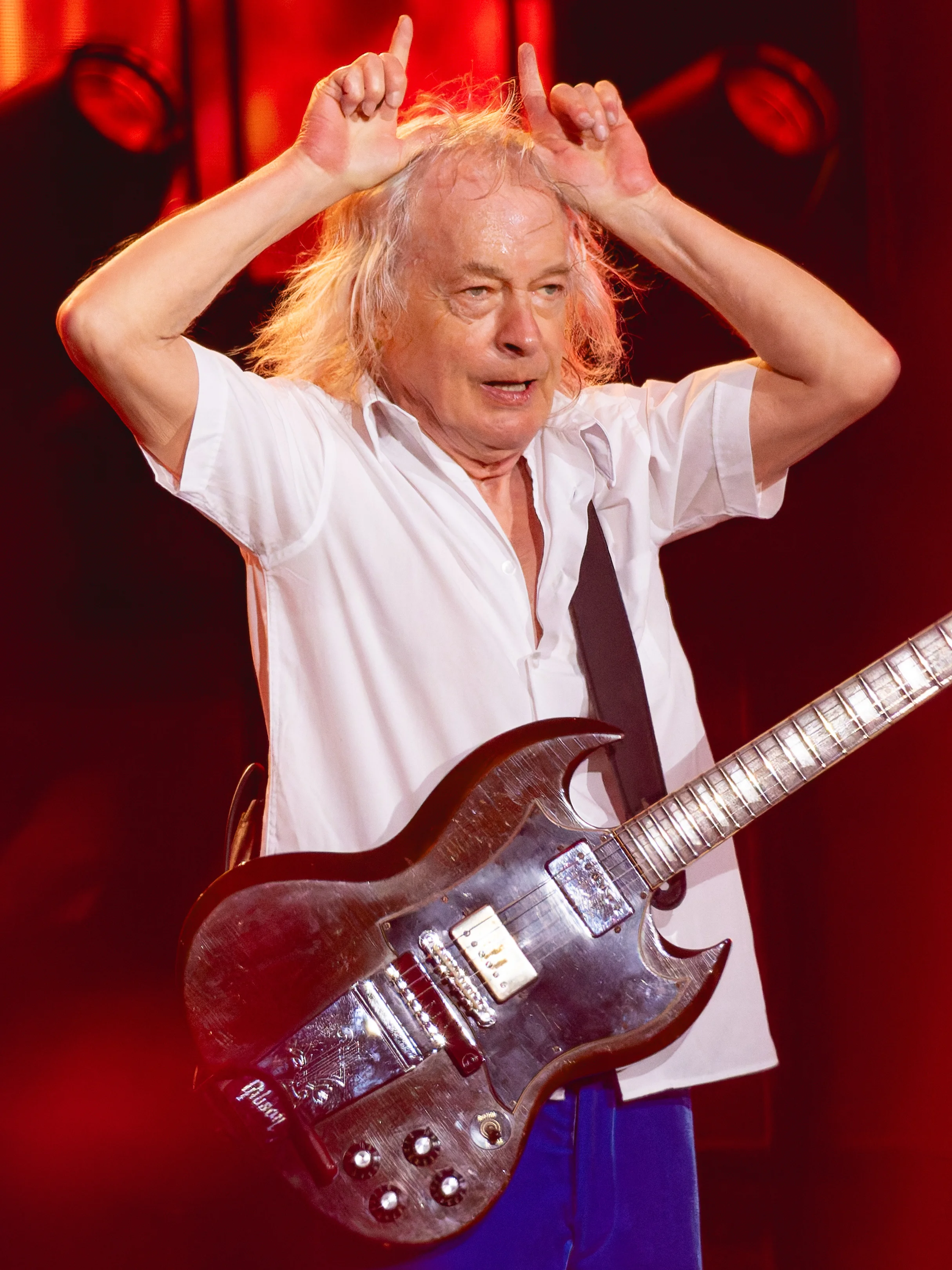
Angus Young
Build this rig →
Ritchie Blackmore
Build this rig →
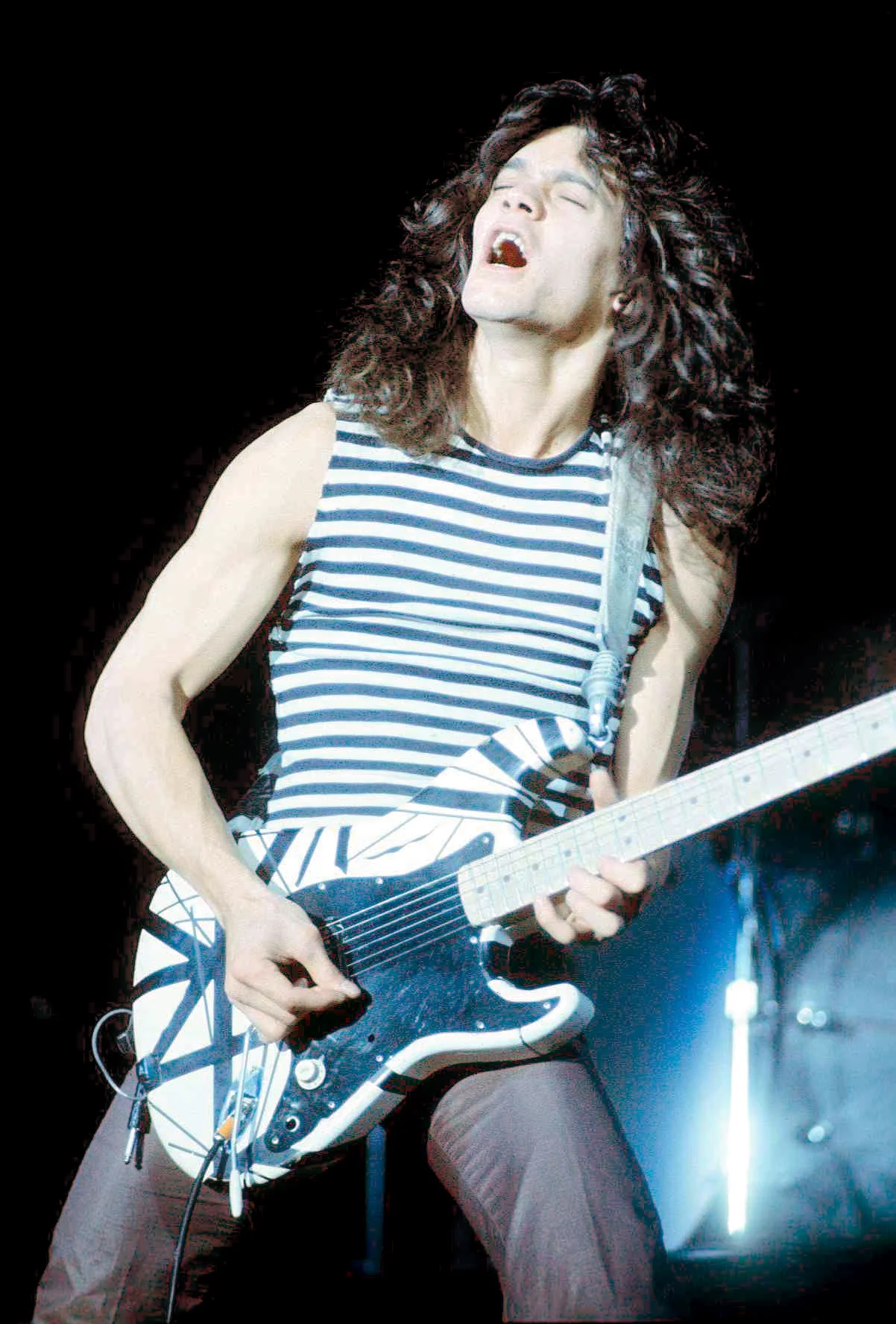
Eddie Van Halen
Build this rig →
Joe Perry
Build this rig →

Michael Schenker
Build this rig →
Uli Jon Roth
Build this rig →
John Sykes
Build this rig →
Steve Clark
Build this rig →
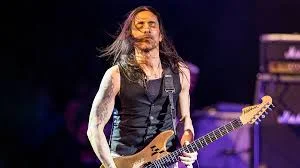
Nuno Bettencourt
Build this rig →
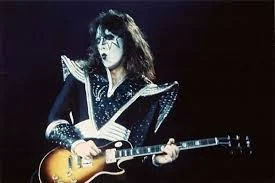
Ace Frehley
Build this rig →
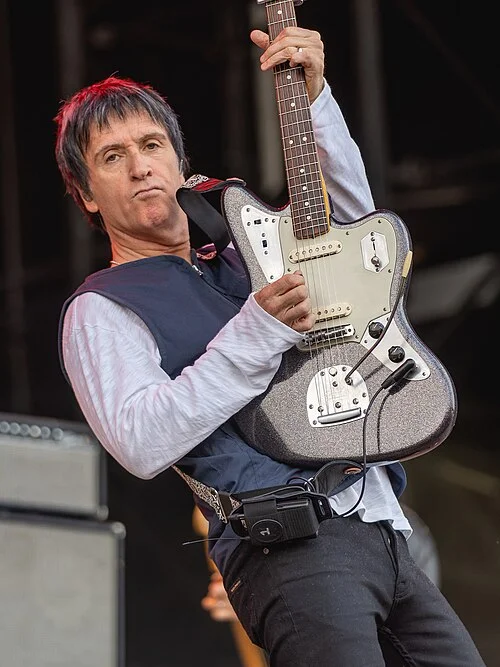

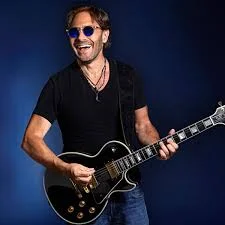
Al Di Meola
Build this rig →
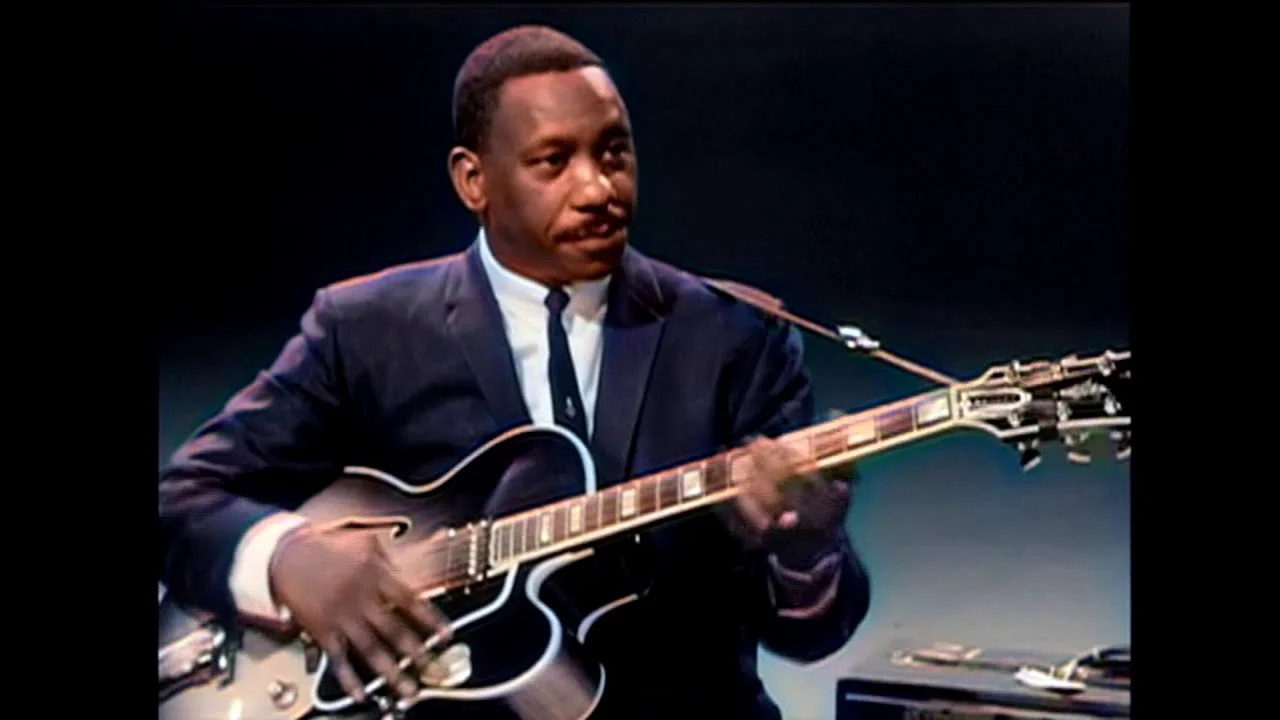
Wes Montgomery
Build this rig →
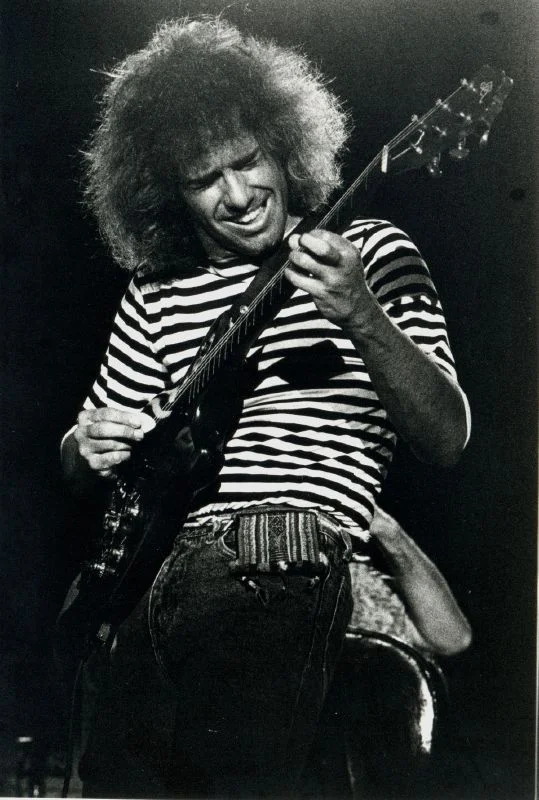
Pat Metheny
Build this rig →
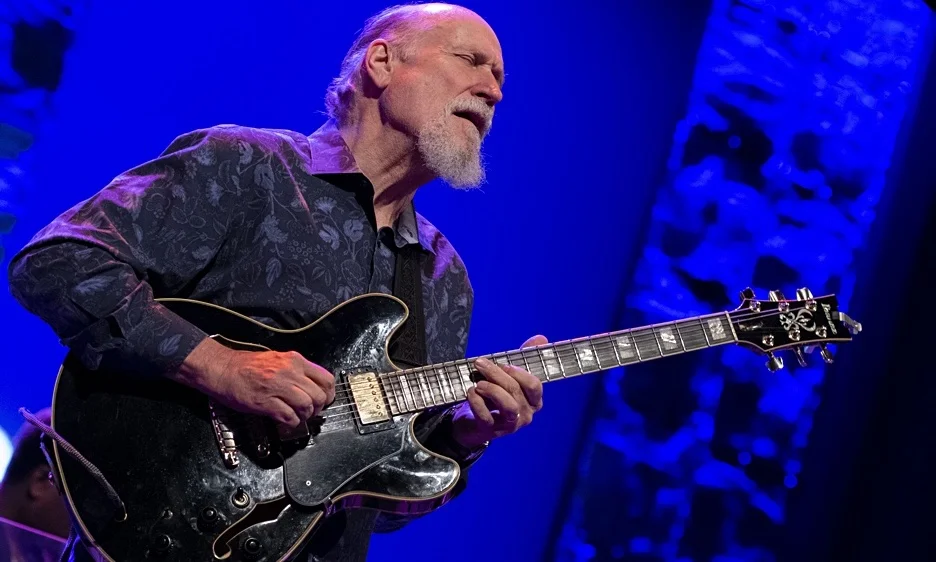
John Scofield
Build this rig →
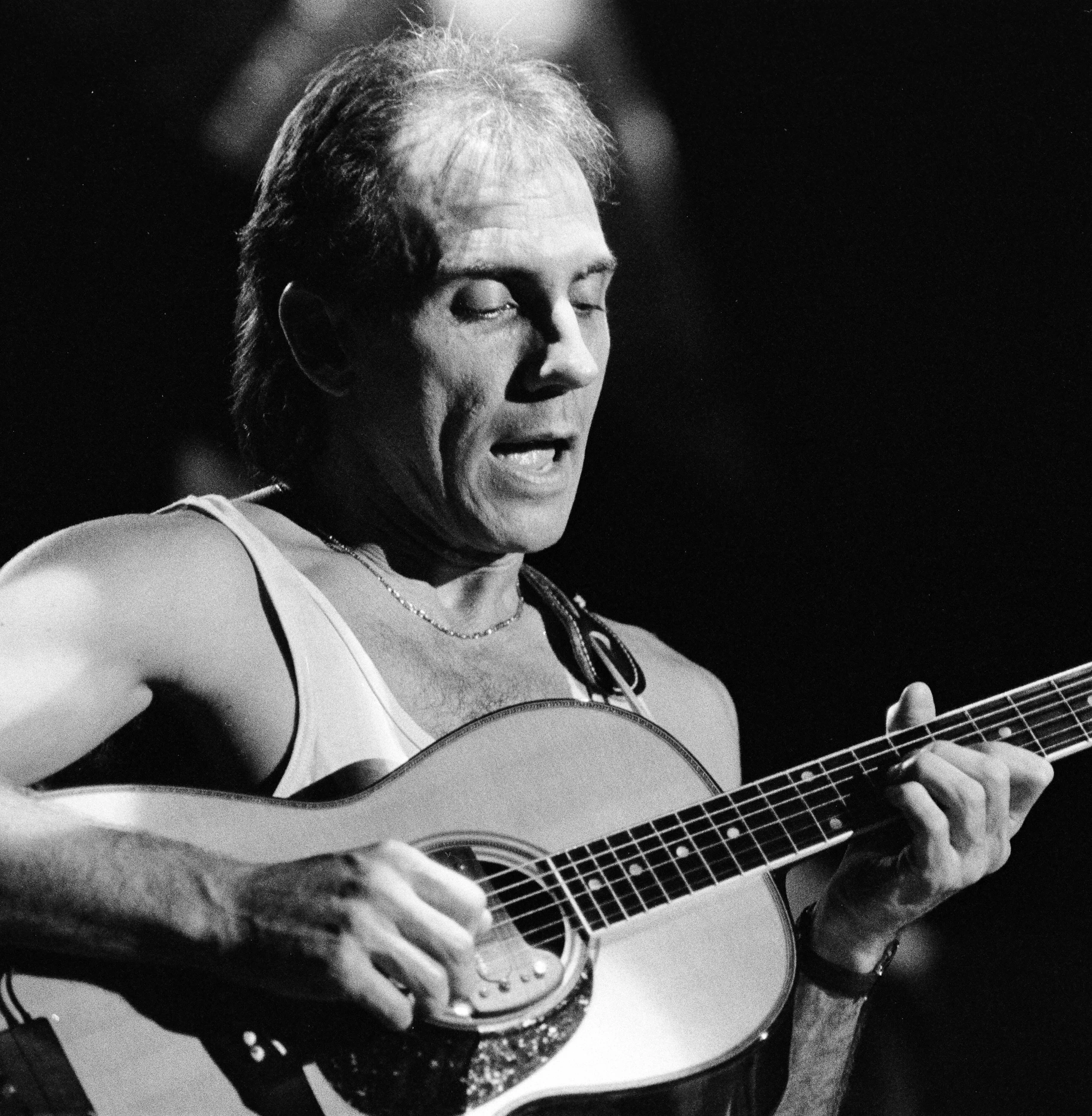
Larry Carlton
Build this rig →
George Benson
Build this rig →
Django Reinhardt
Build this rig →
Charlie Christian
Build this rig →
Joe Pass
Build this rig →
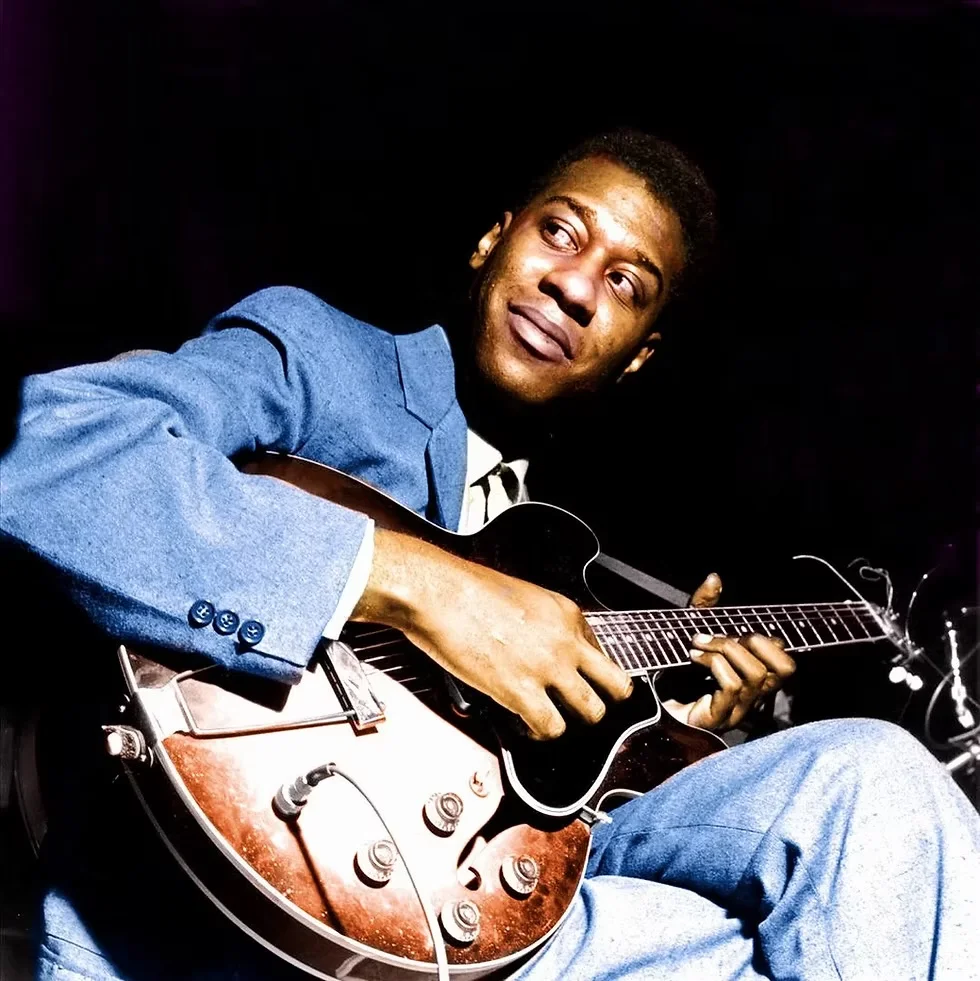
Grant Green
Build this rig →
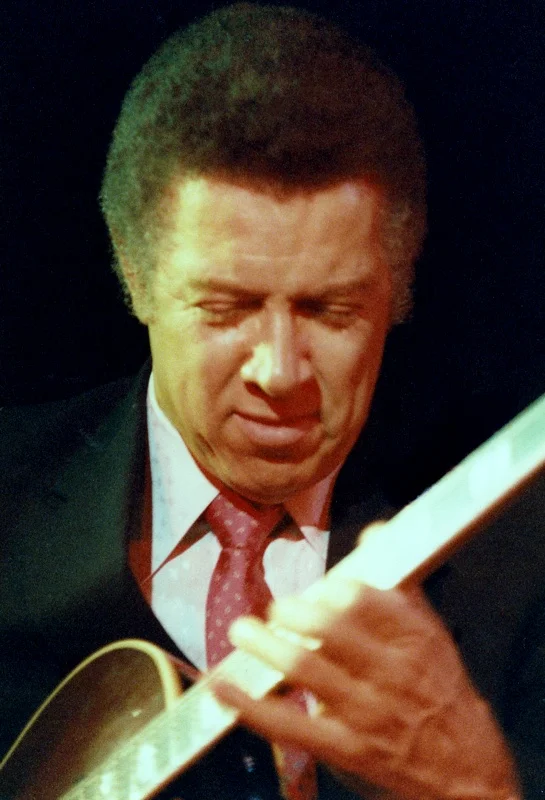
Kenny Burrell
Build this rig →
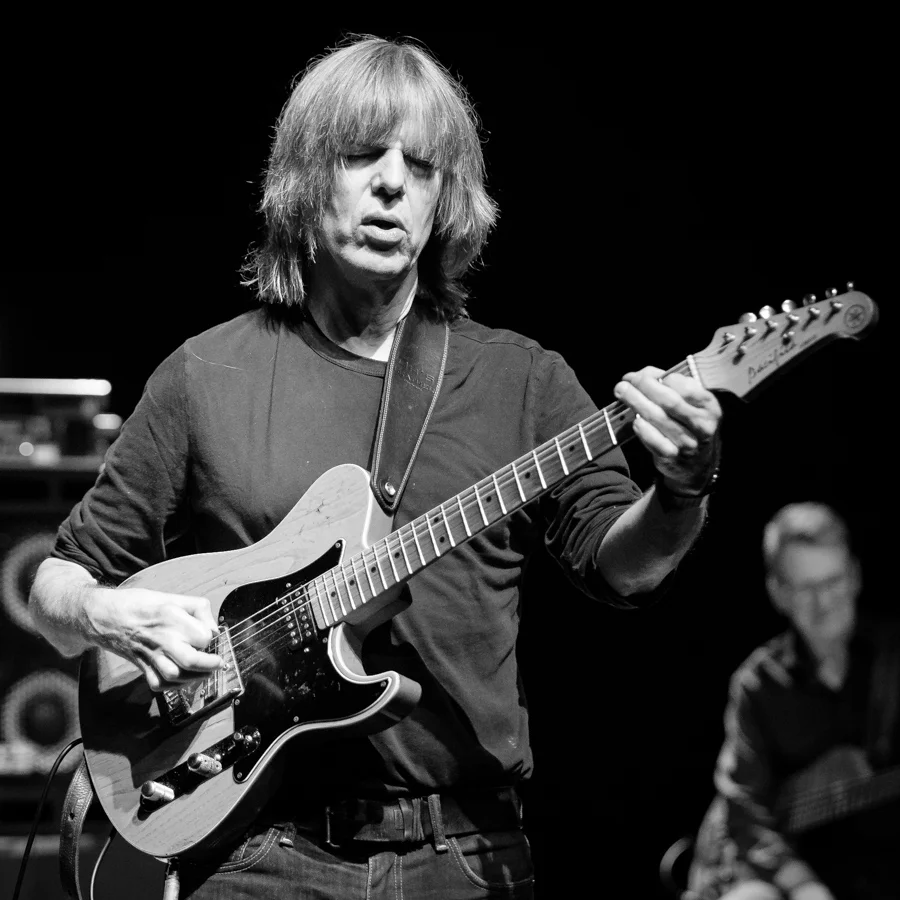
Mike Stern
Build this rig →

Jim Hall
Build this rig →
Barney Kessel
Build this rig →
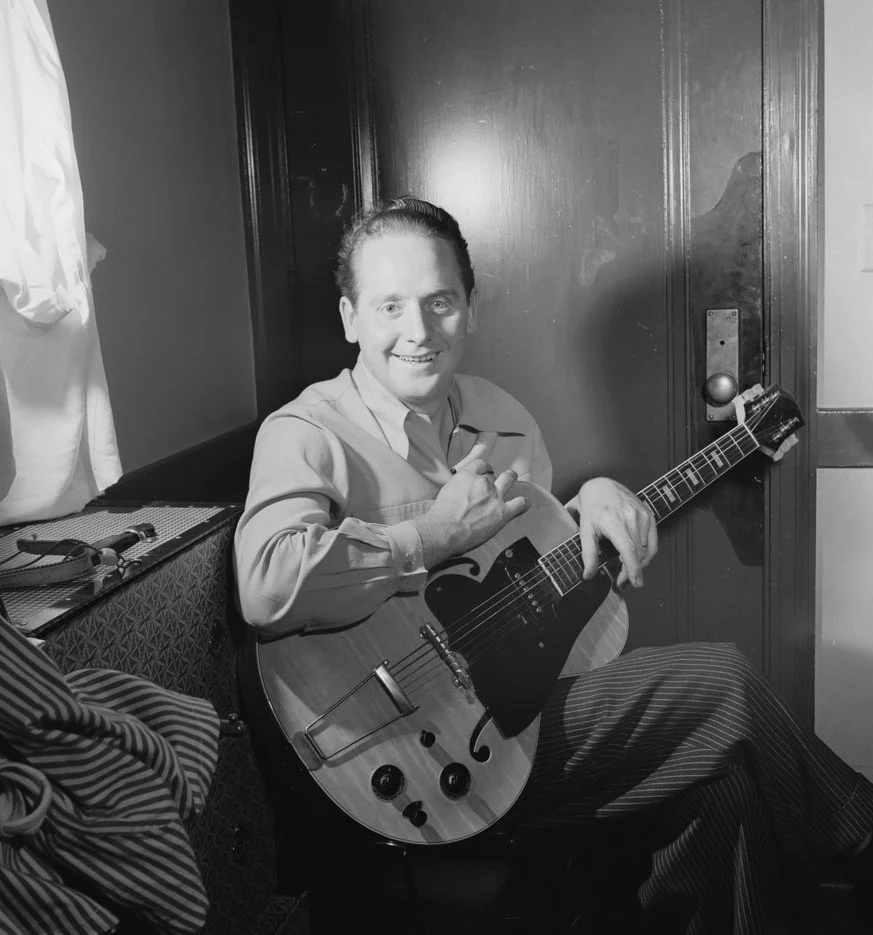
Les Paul
Build this rig →
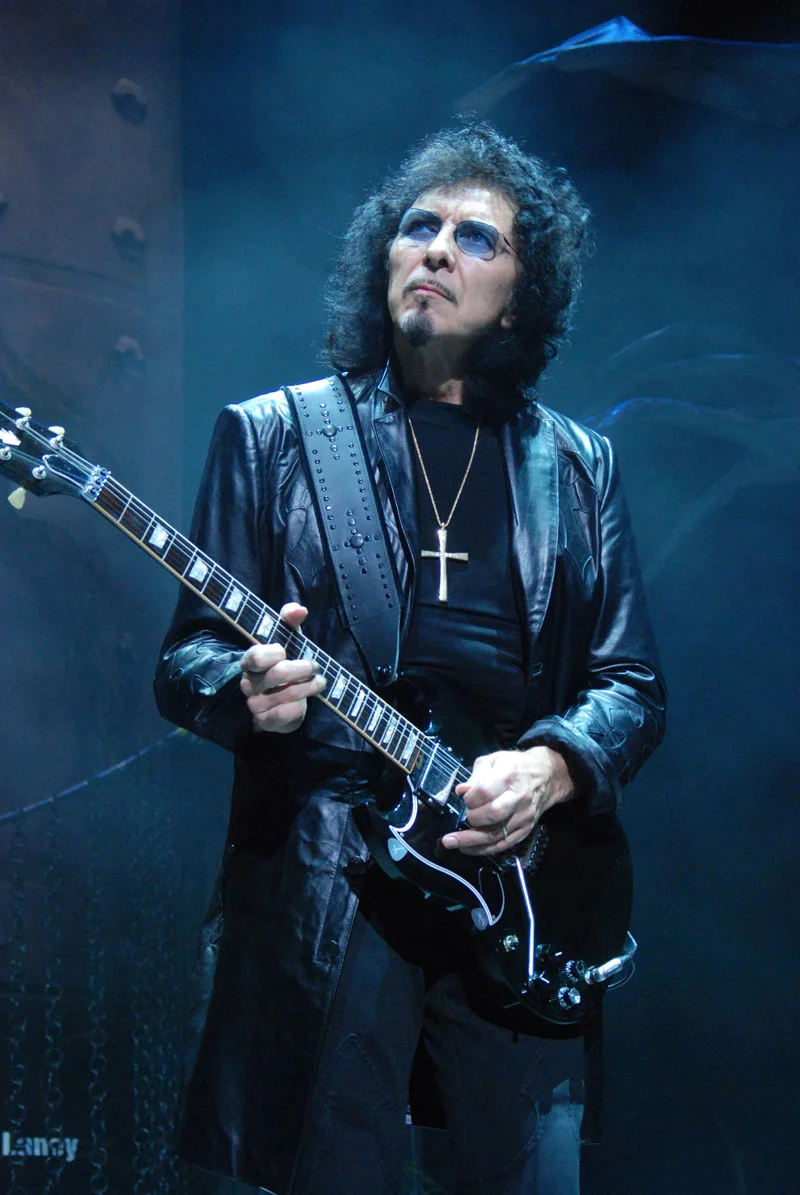
Tony Iommi
Build this rig →
Randy Rhoads
Build this rig →
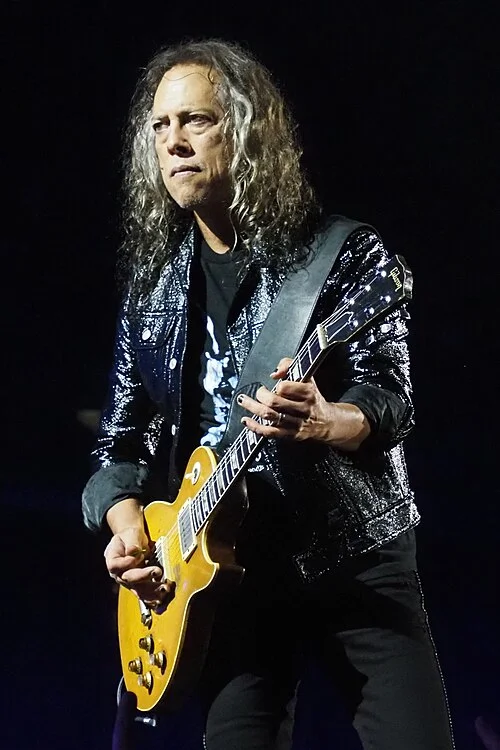
Kirk Hammett
Build this rig →
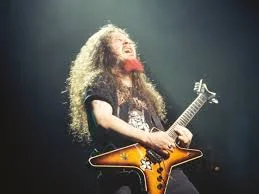
Dimebag Darrell
Build this rig →
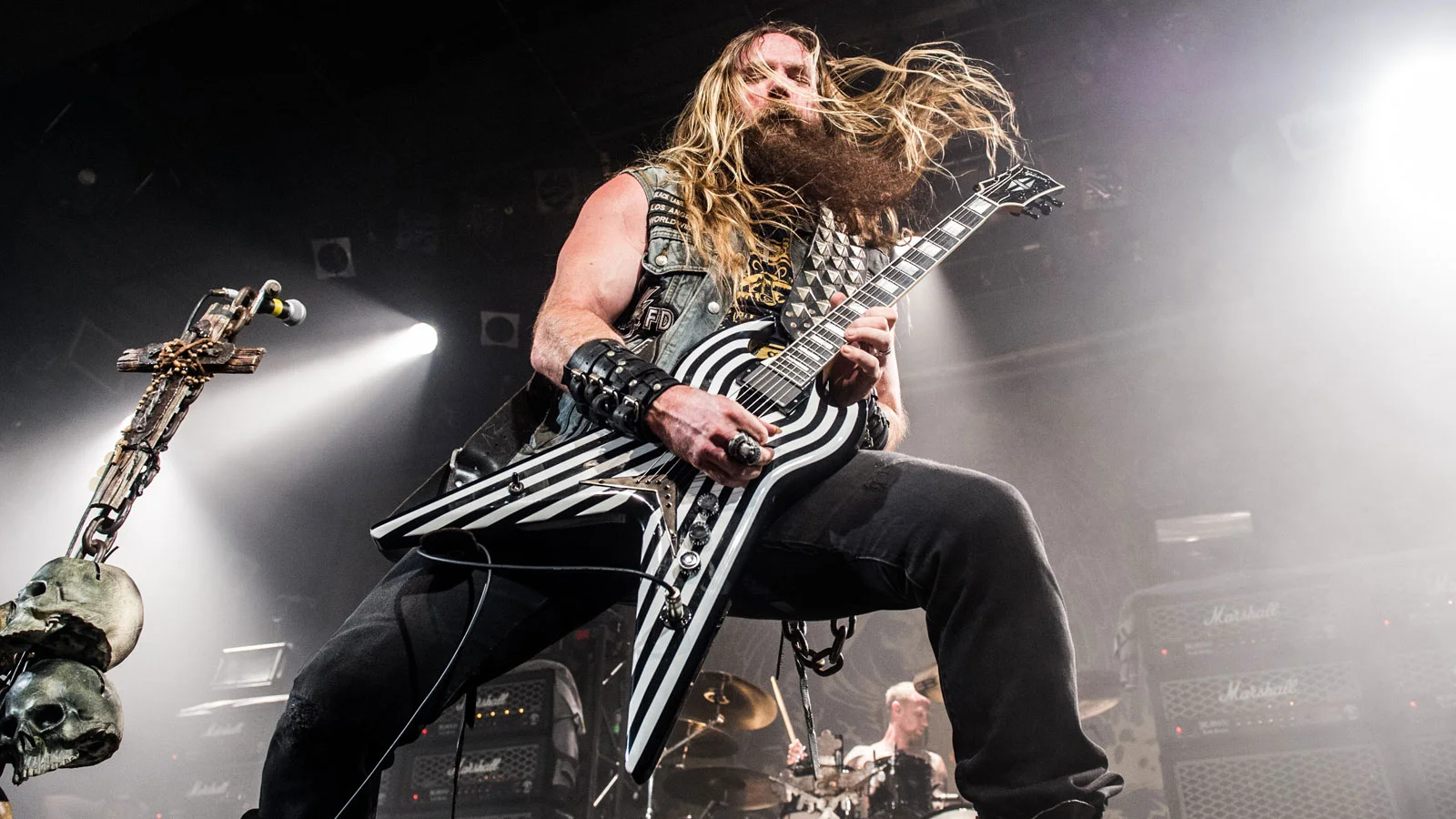
Zakk Wylde
Build this rig →
James Hetfield
Build this rig →
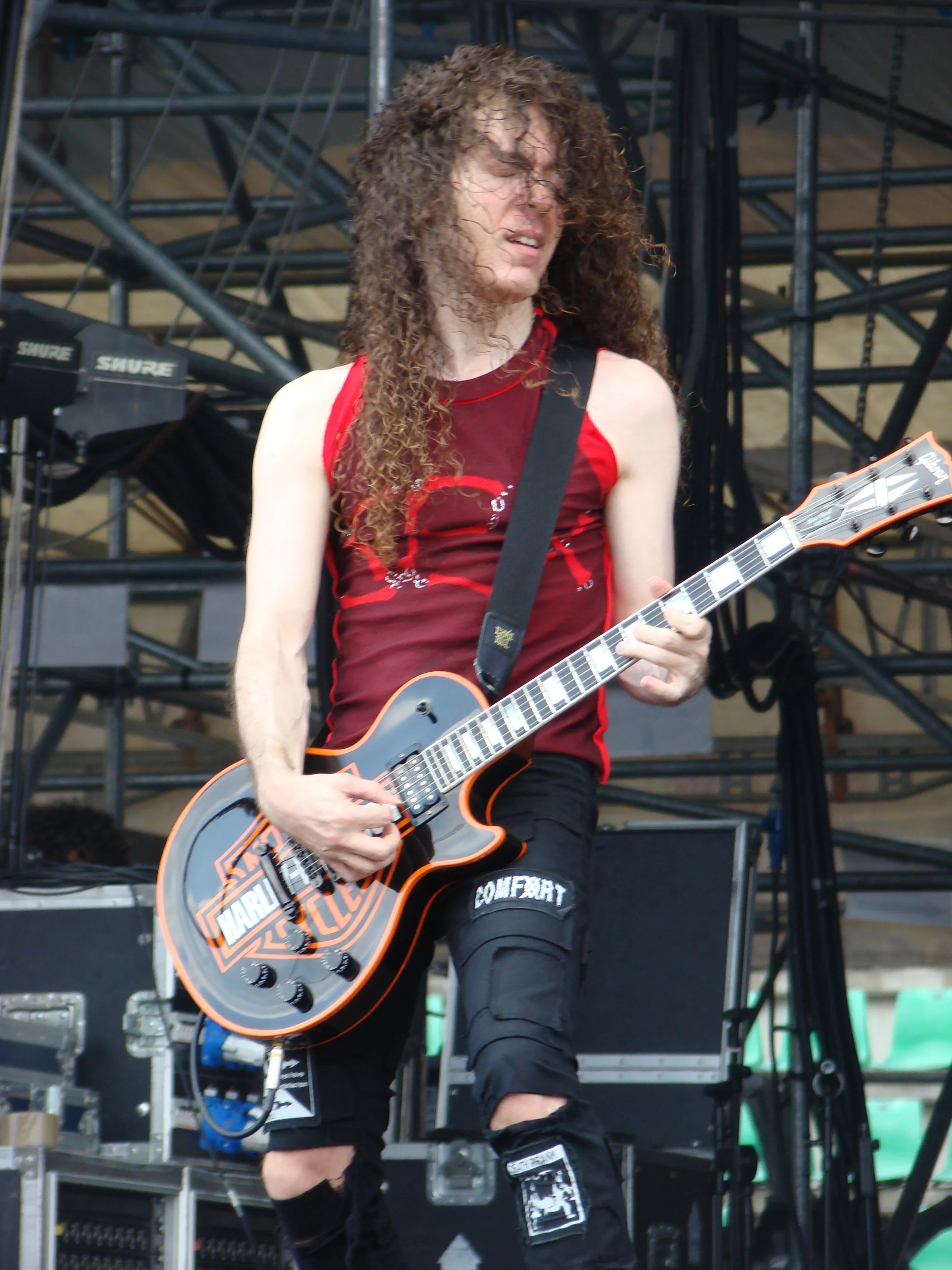
Marty Friedman
Build this rig →
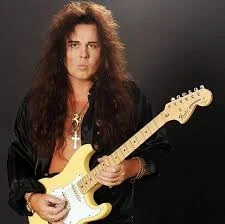
Yngwie Malmsteen
Build this rig →
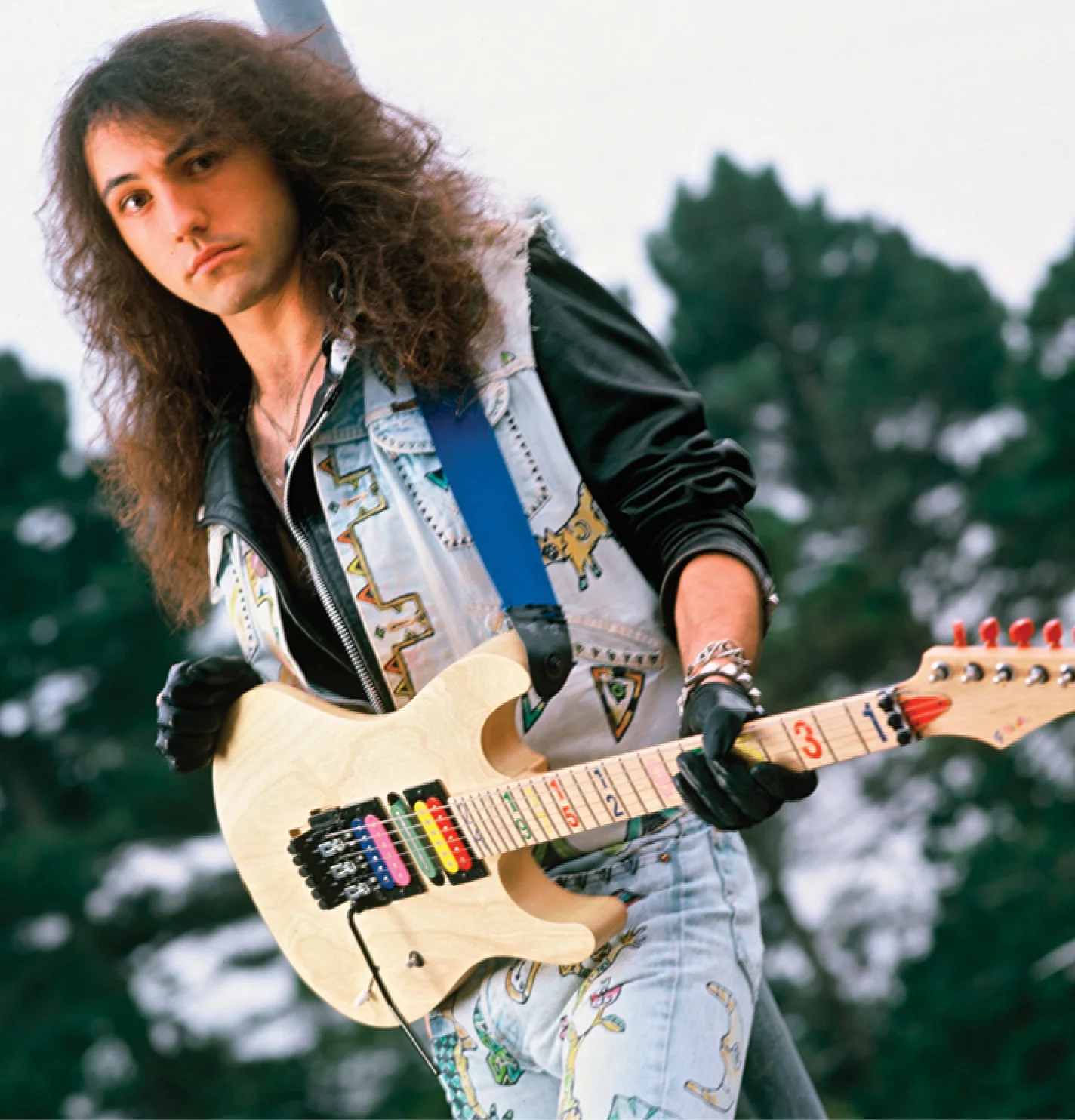
Jason Becker
Build this rig →
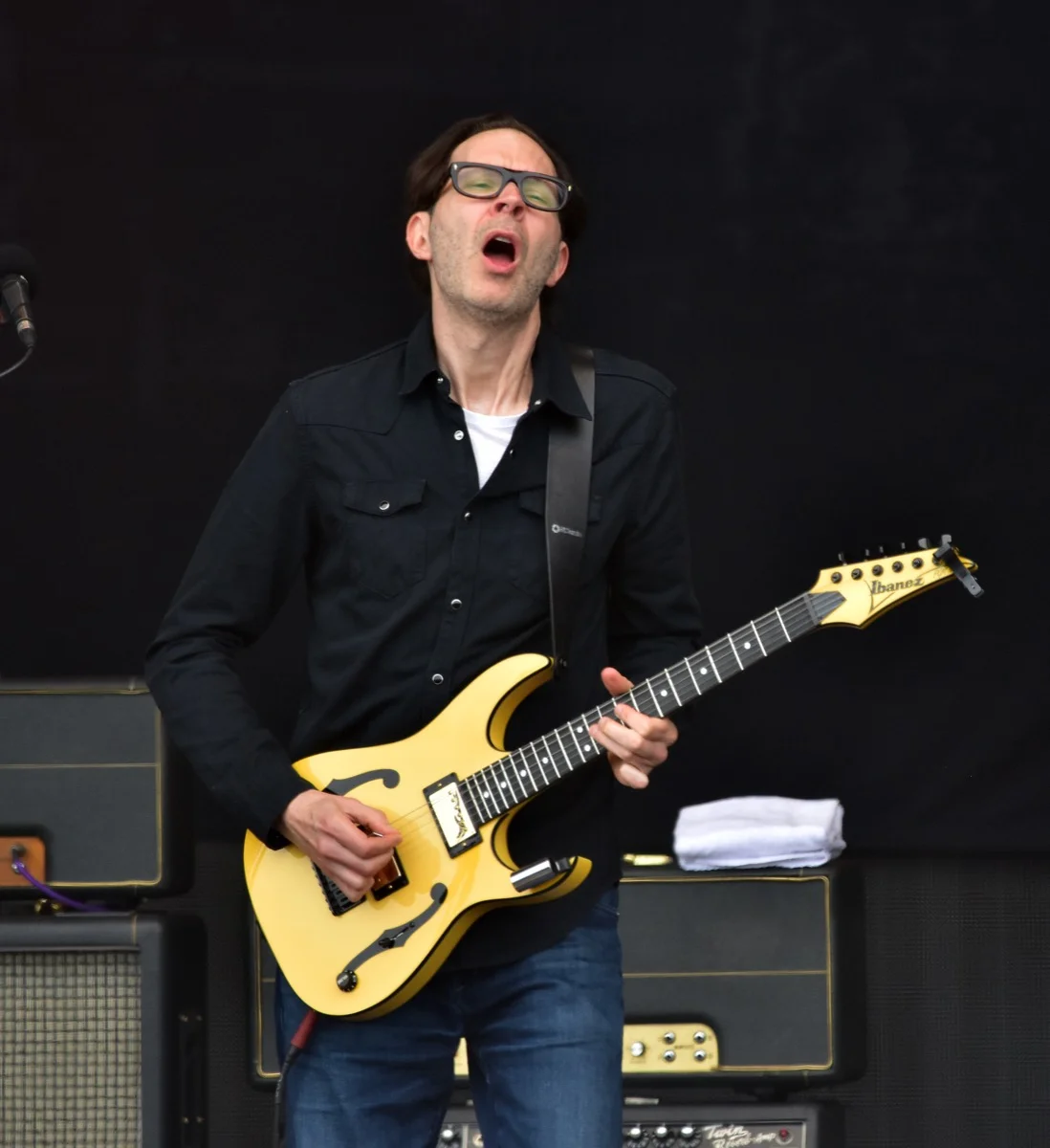
Paul Gilbert
Build this rig →
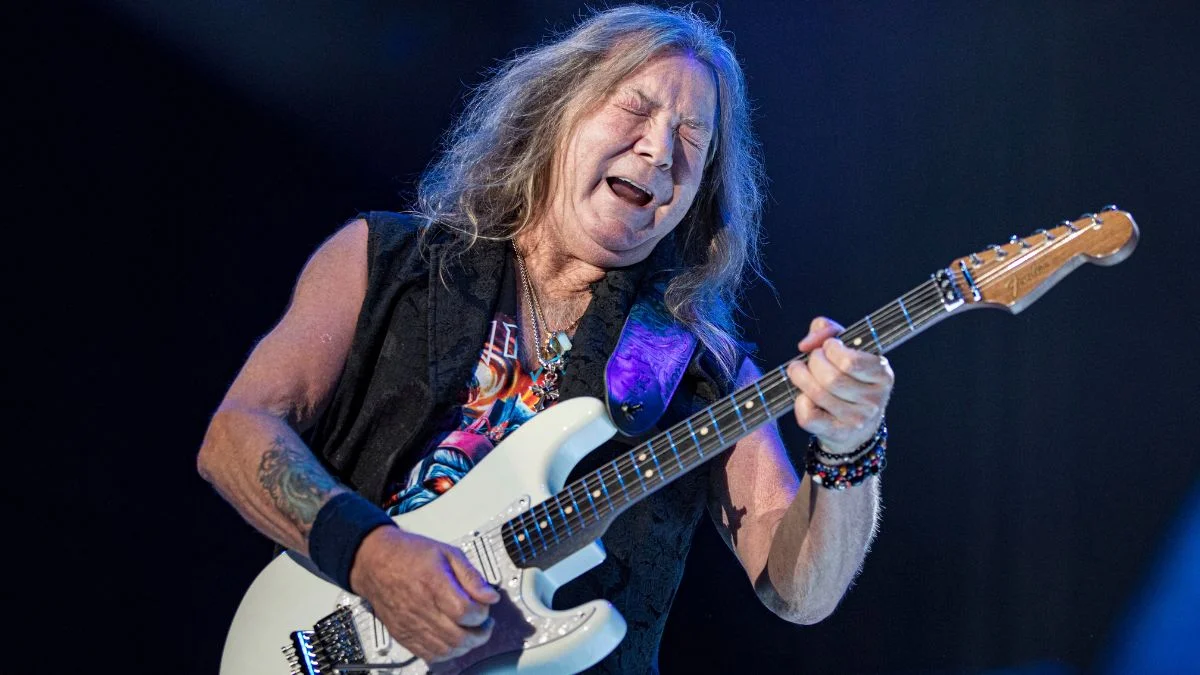
Dave Murray
Build this rig →
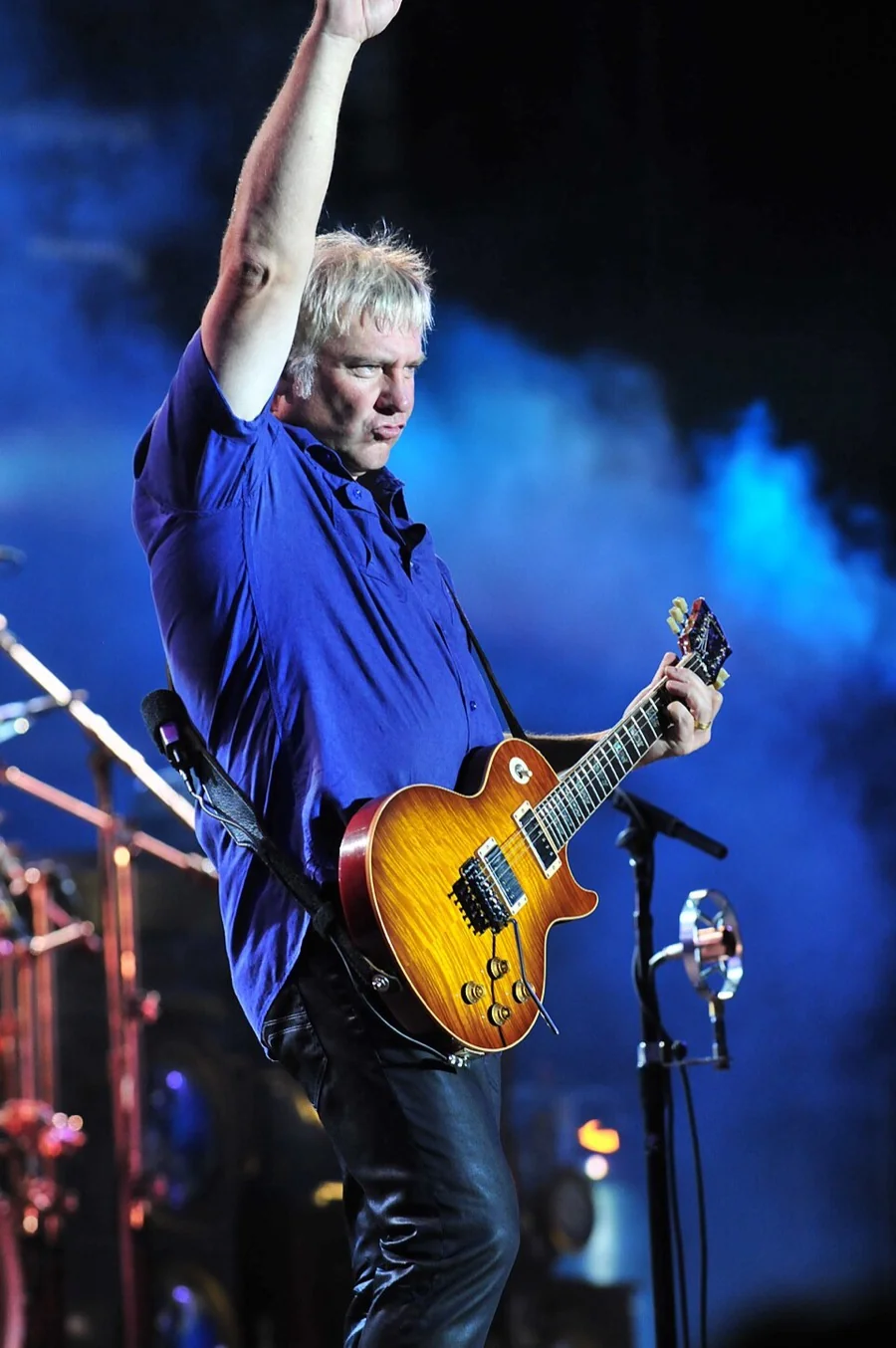
Alex Lifeson
Build this rig →
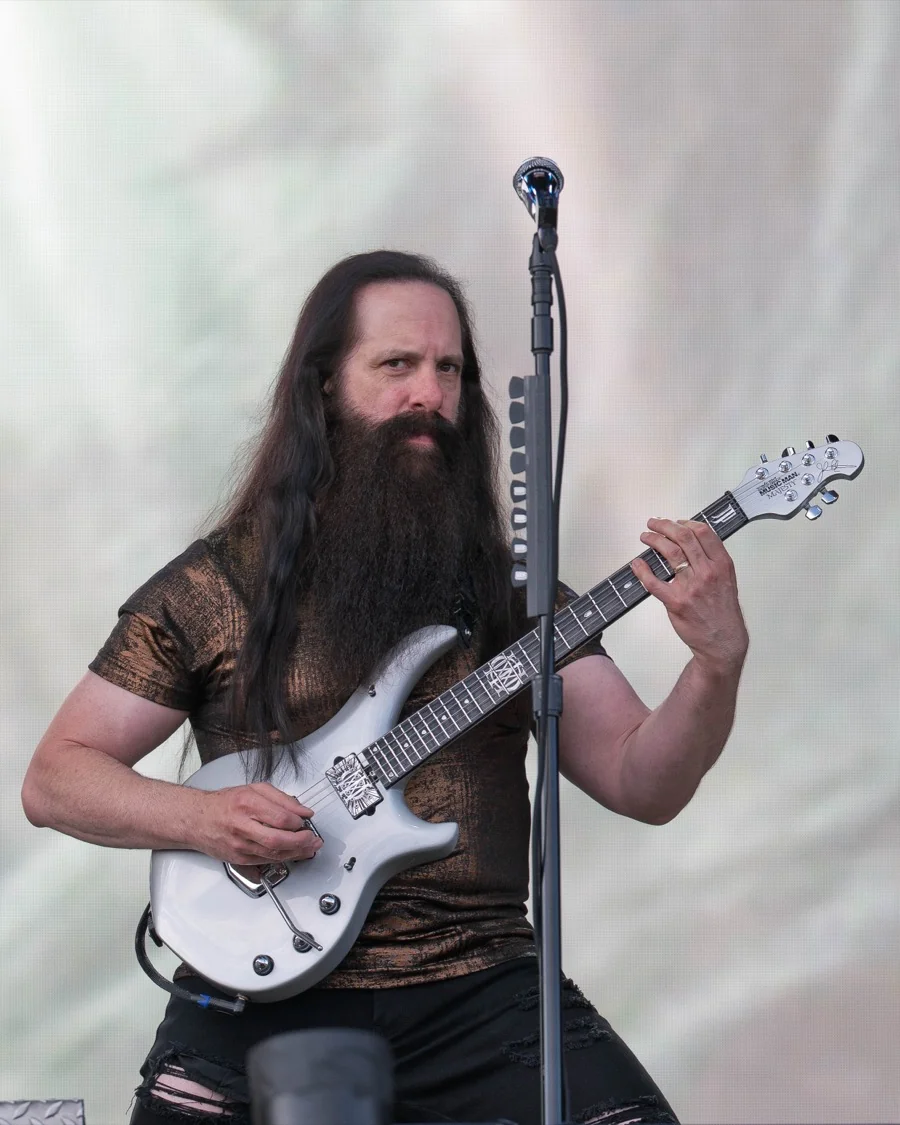
John Petrucci
Build this rig →

Adam Jones
Build this rig →
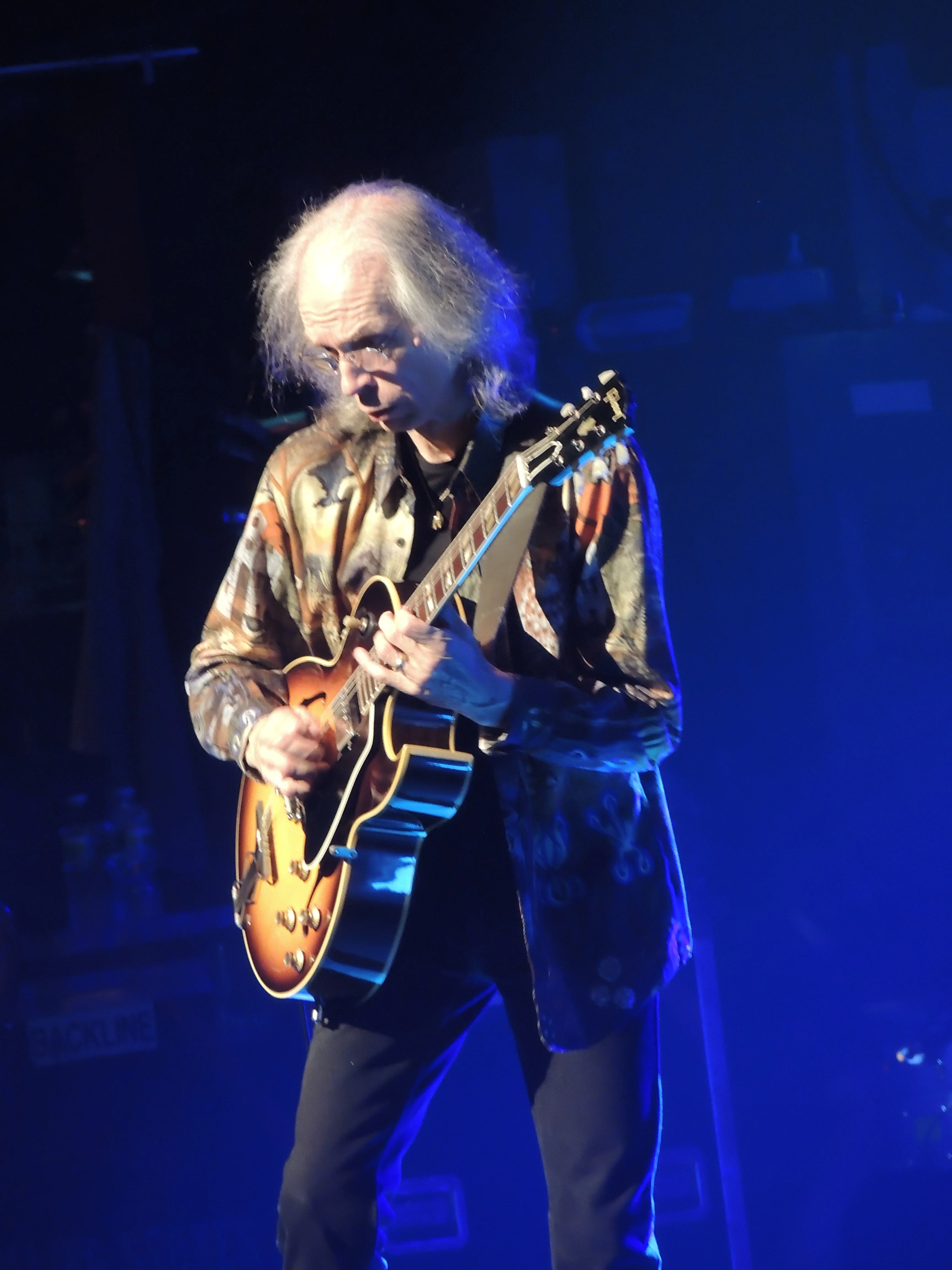
Steve Howe
Build this rig →
Robert Fripp
Build this rig →
Tosin Abasi
Build this rig →
Misha Mansoor
Build this rig →
Plini
Build this rig →
Jimi Hendrix
Build this rig →
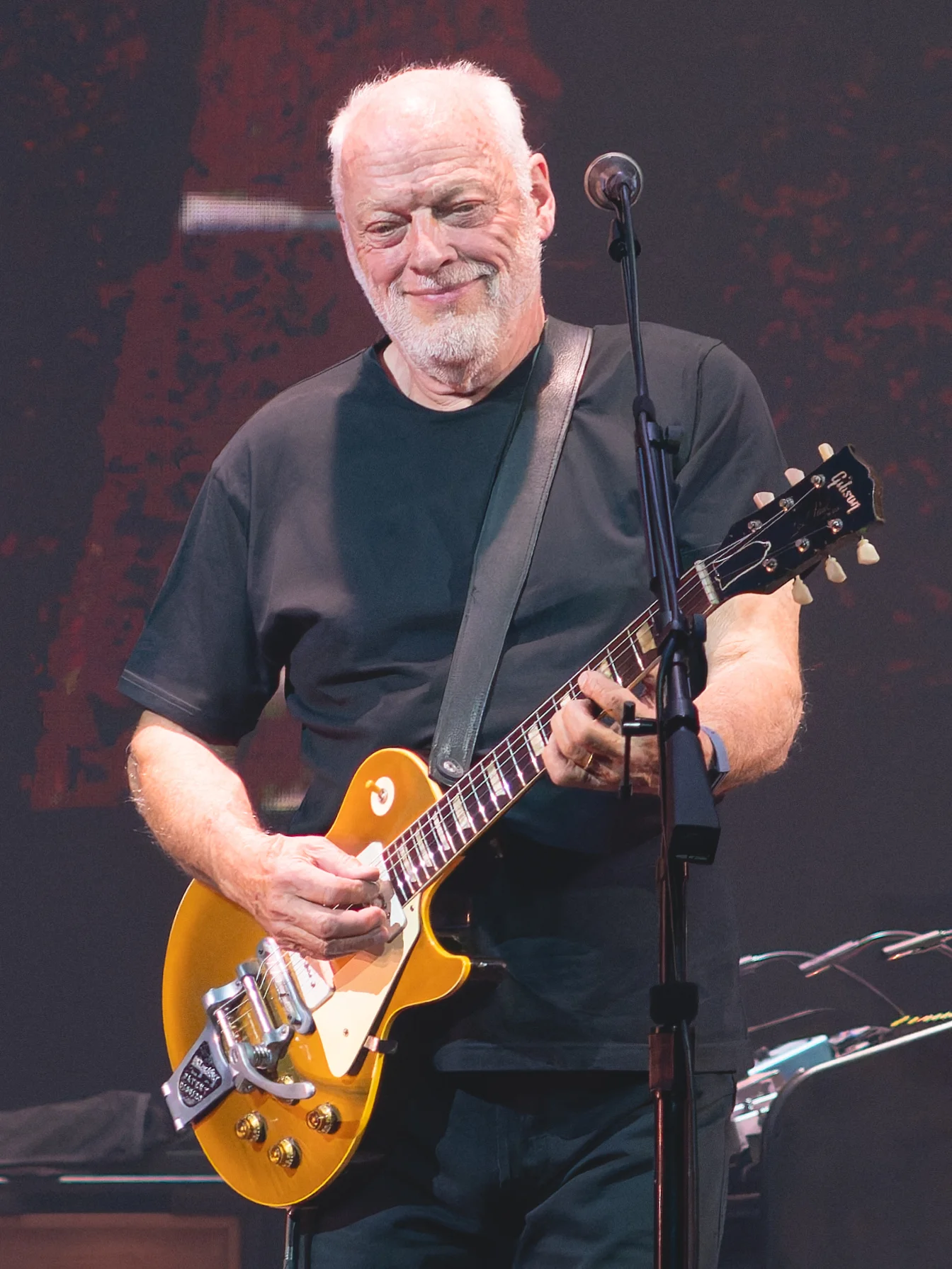
David Gilmour
Build this rig →
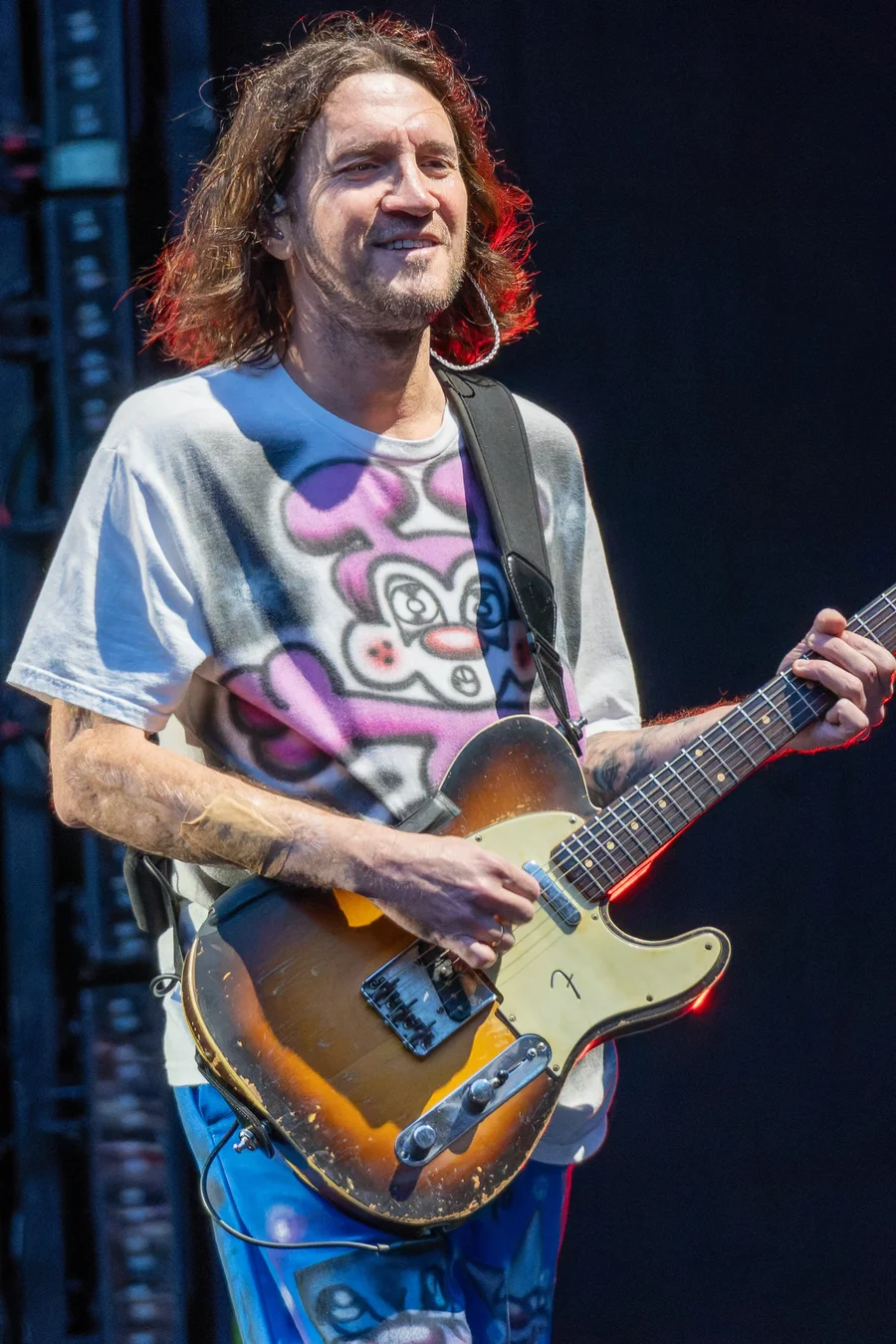
John Frusciante
Build this rig →
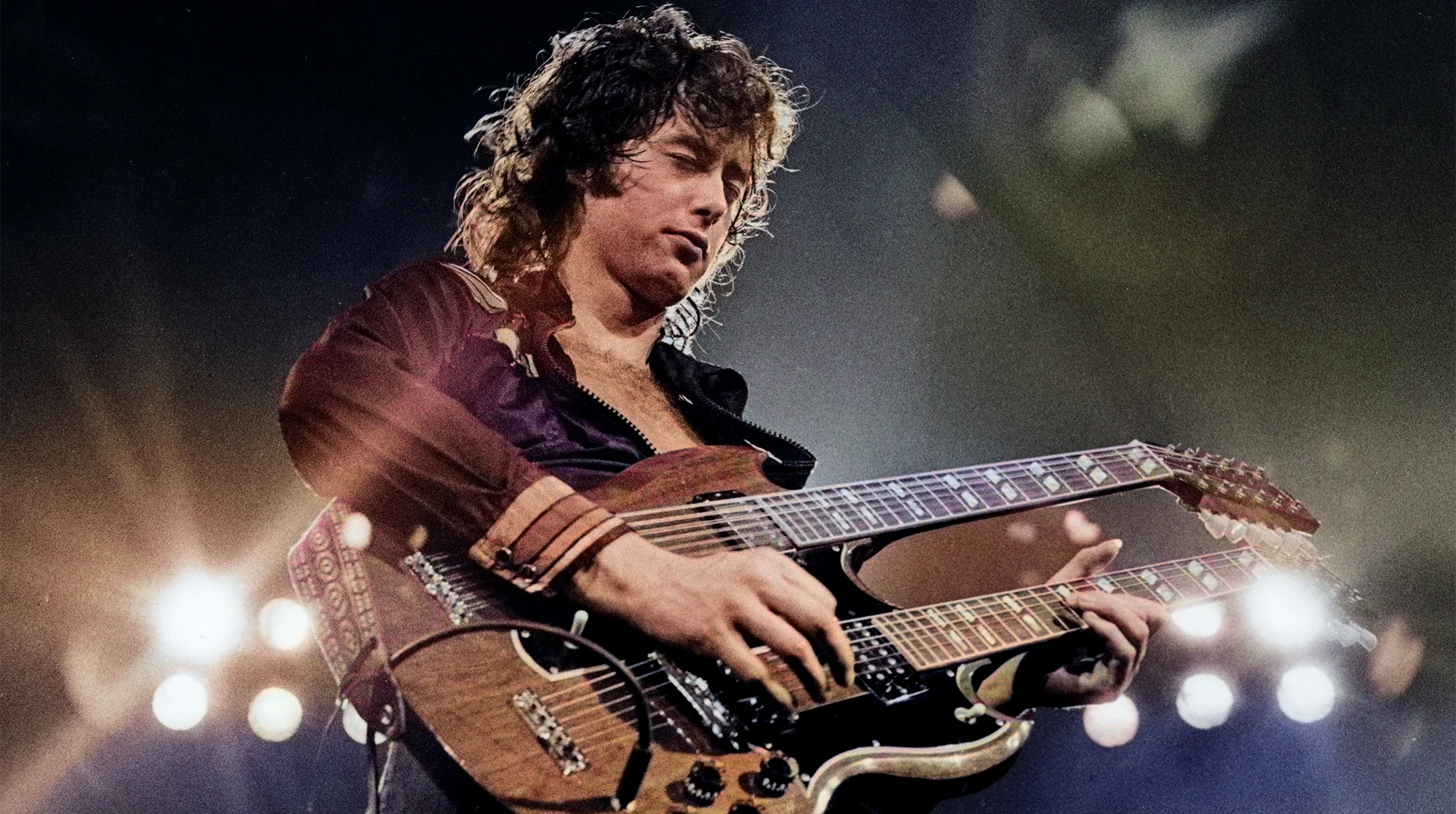
Jimmy Page
Build this rig →
Jeff Beck
Build this rig →
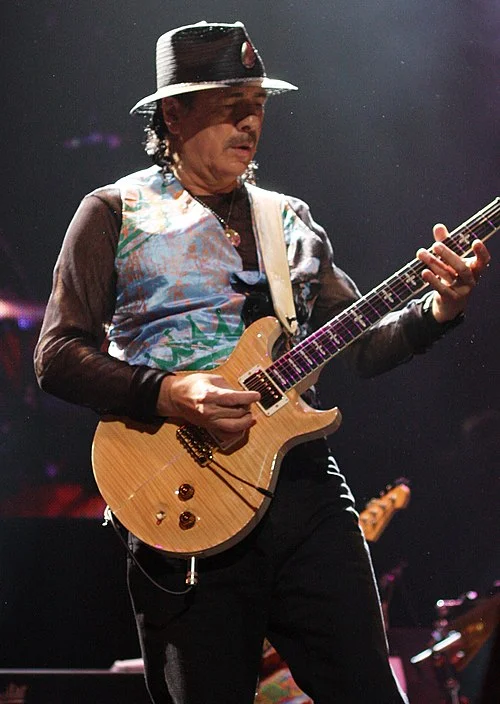
Carlos Santana
Build this rig →
Pete Townshend
Build this rig →
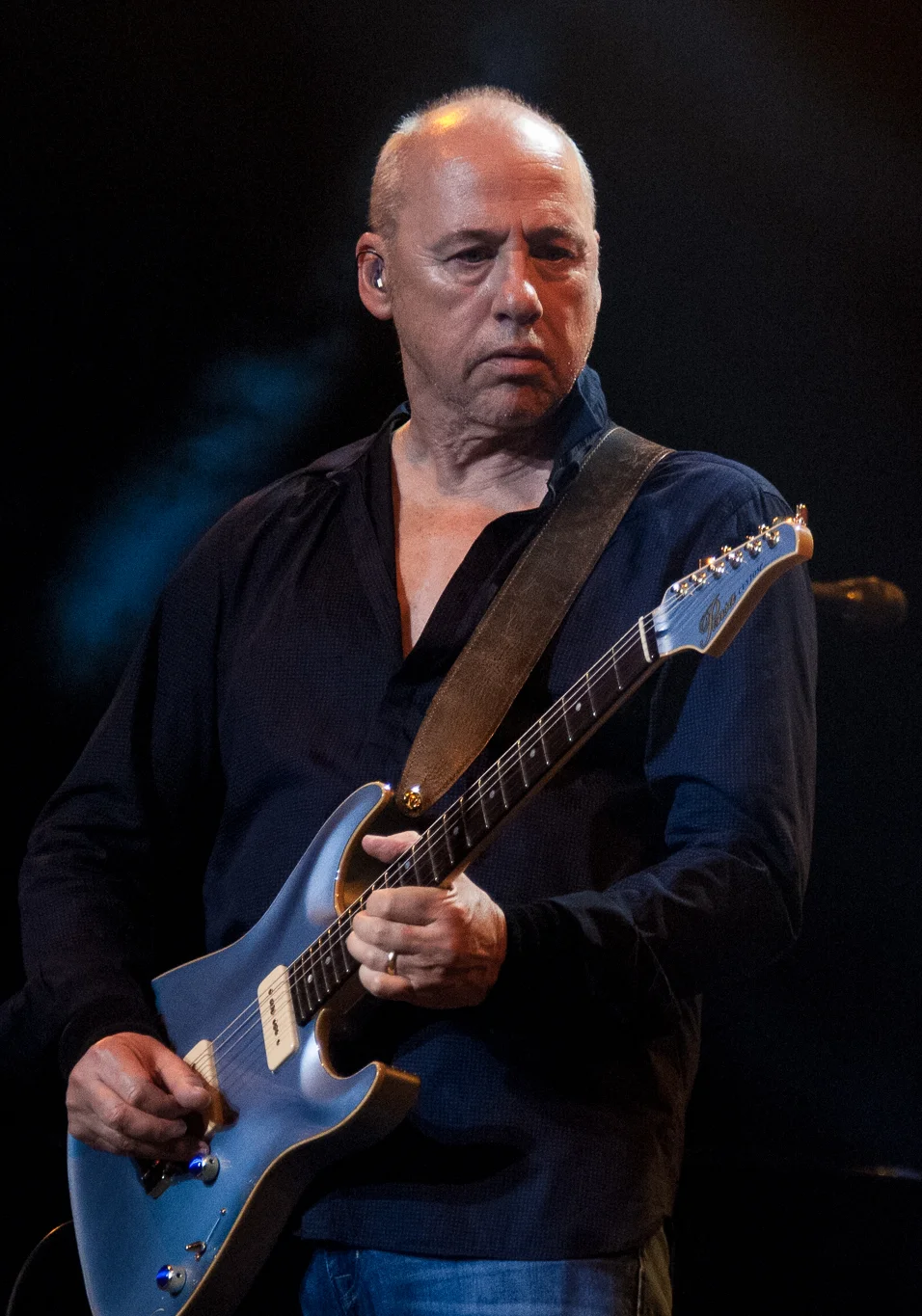
Mark Knopfler
Build this rig →
Lindsey Buckingham
Build this rig →
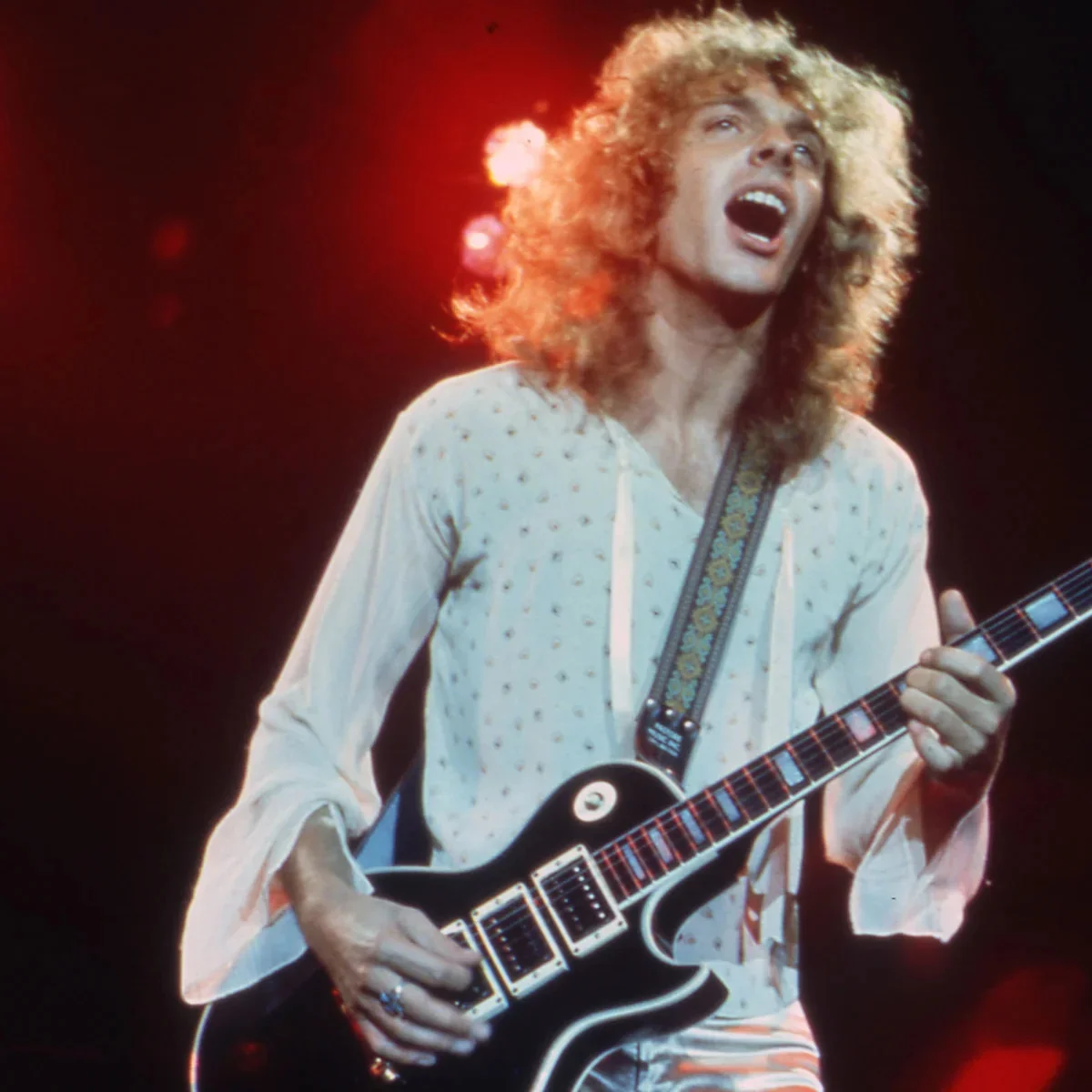
Peter Frampton
Build this rig →
Brian May
Build this rig →
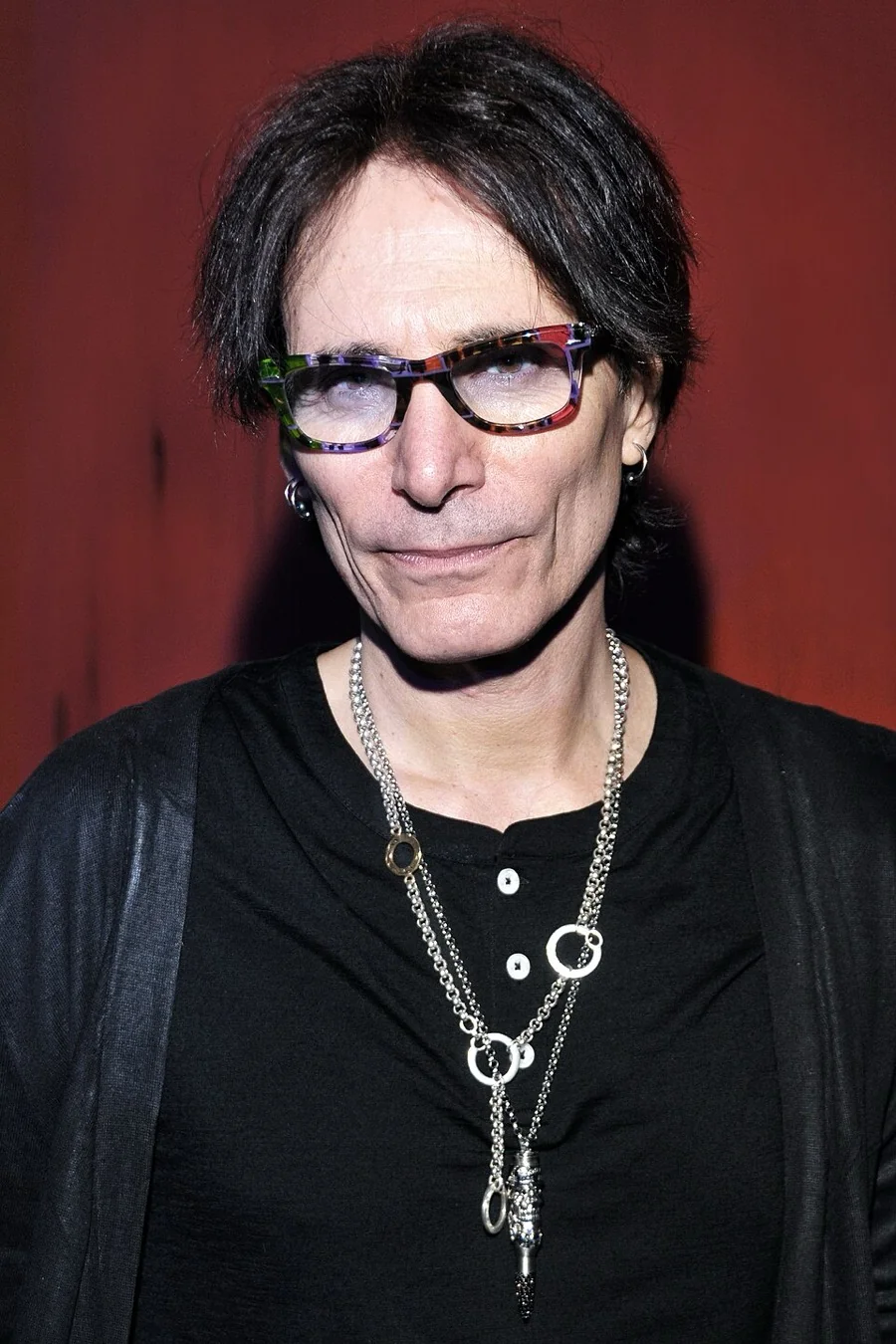
Steve Vai
Build this rig →
Joe Satriani
Build this rig →
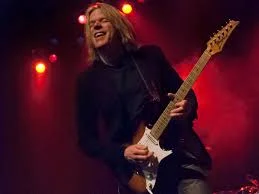
Andy Timmons
Build this rig →
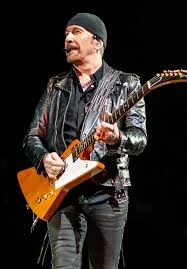
The Edge
Build this rig →
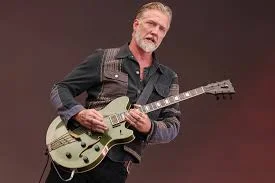
Josh Homme
Build this rig →
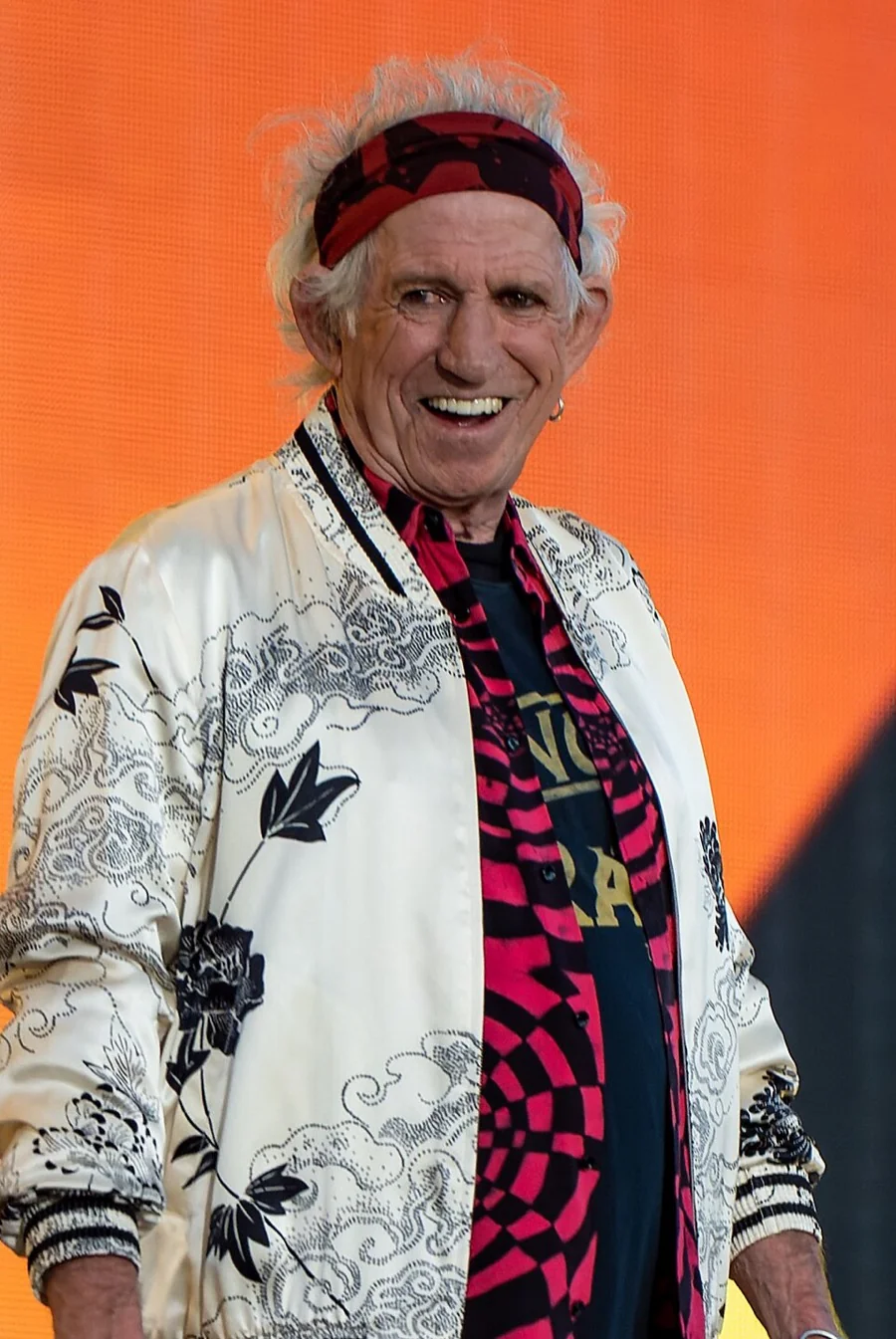
Keith Richards
Build this rig →
Joe Walsh
Build this rig →
Trey Anastasio
Build this rig →
Dick Dale
Build this rig →

Jerry Garcia
Build this rig →

Neil Young
Build this rig →
FAQ
Guitar Rig Under $3,175 — Common Questions
Yes — $3,175 is a professional investment. You can buy high-quality instruments that last decades and cover any style.
Under $3,175, consider the Fender American Performer, Gibson Les Paul Standard, or PRS S2 series. These are professional instruments that will last decades.
Under $3,175, a used Fender Deluxe Reverb, Marshall DSL40CR, or Vox AC30 are the benchmarks. These are amps that defined recorded music.
At $3,175, you can budget for 2–3 pedals: an overdrive, a delay, and optionally a wah or tuner. Keep most of the budget on guitar and amp.
At $3,175, avoid vintage guitars above $1,905 without professional authentication — fraud risk increases significantly at this price point. Also avoid boutique cables above Mogami/Canare level; no listening test has ever demonstrated an audible difference between these and $152 boutique alternatives.