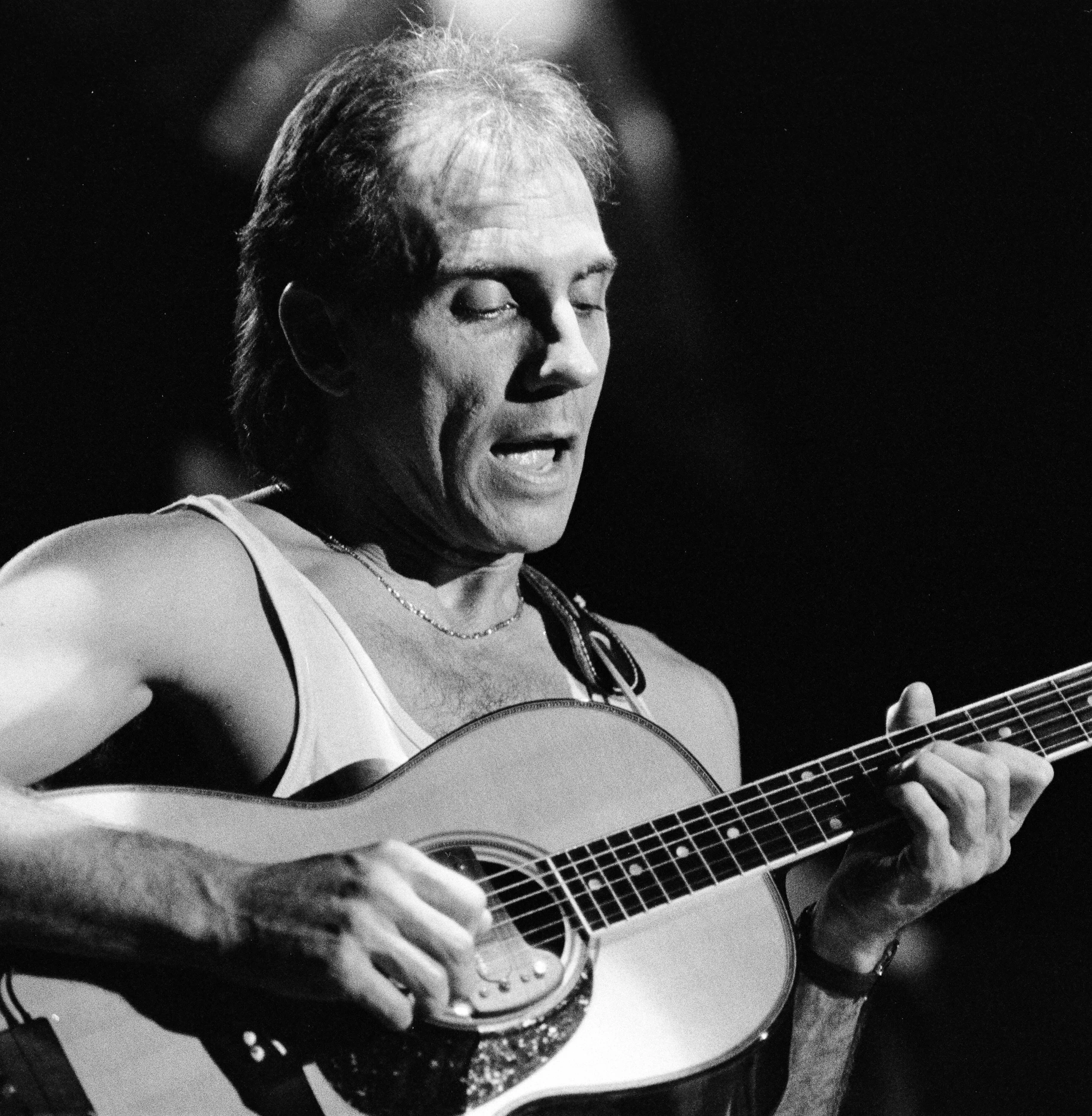
Larry Carlton — £2,500 · Premium Tone
Larry Carlton is the definitive fusion-meets-jazz guitarist — his ES-335 and Dumble-influenced tone appearing on hundreds of 1970s and 80s pop, rock and jazz recordings. His smooth, thumb-behind-neck vibrato and position-based phrasing are immediately identifiable. Replicating that nuanced and harmonically sophisticated sound at the £2,500 · Premium mark means Epiphone ES-339 into Fender Deluxe Reverb (Reissue). The effects — Diamond Compressor, Boss BD-2 Blues Driver — add the finishing texture. This build totals ~£2474 and captures the core character — a premium build targeting the most accurate recreation possible.
Build Larry Carlton's £2,500 · Premium Rig
6 pieces · Total ~$3,142
What guitar does Larry Carlton use?
Larry Carlton is primarily associated with semi hollow style guitars. At a £2,500 budget, Epiphone ES-339 delivers the essential tonal character.
What to Buy
£2,500 · Premium — Complete Gear List
Can't find one? See alternatives:
Why This Rig Works
How Larry Carlton's gear choices create the signature tone
Epiphone ES-339
The Epiphone ES-339 provides the tonal foundation for the entire rig — its character shapes everything that follows.
- CompressionDiamond Compressor
- OverdriveBoss BD-2 Blues Driver
- ChorusStrymon Ola Chorus
- DelayStrymon Timeline
Fender Deluxe Reverb (Reissue)
The Fender Deluxe Reverb (Reissue) converts the guitar signal into audible sound and adds its own tonal character — EQ shaping, natural gain, and the overall feel of the final tone.
The Combined Tone
Gibson ES-335 into a Dumble ODS or clean amp with a light overdrive pedal. The tone is warm, smooth and full — the semi-hollow 335 body contributes the rich resonance, and the Dumble or Fender amp provides clean headroom with dynamic response to pick attack. A subtle delay adds depth to lead lines.
Tone Tips
Getting the Sound Right
- The Fender Deluxe Reverb (Reissue) stays cleaner longer than a Marshall-style amp — push it with a low-gain overdrive (gain at 2–3, level up) rather than cranking its own gain. Set treble at 6, bass at 4, and let the guitar's volume knob handle the dynamics.
- The thumb-over-neck grip is essential for Carlton's lead phrasing — wrapping the thumb over the neck changes the hand angle and string access, enabling the specific bending positions he uses
- The ES-335 tone is the instrument — a solid-body guitar into the same amp produces a notably different character. The semi-hollow resonance is part of the sound
- The guitar volume is constantly adjusted during performance — lighter passages at 7-8, leads fully open. This dynamic control is part of his signature
- Study the descending chromatic phrase approach that appears throughout "Room 335" — Carlton approaches target notes from a half-step above before resolving, which creates the chromatic jazz-influenced passing tones that distinguish his blues vocabulary from traditional pentatonic blues
- Practise blues licks in the context of major jazz chord changes — Carlton's ability to play blues vocabulary over standard jazz chord progressions (ii-V-I, rhythm changes) is a central skill; the blues phrases take on different harmonic meaning when placed over specific jazz chord changes
- Learn Carlton's use of the major pentatonic scale starting from the fifth degree — using the major pentatonic of the 5th chord over a blues gives the bright, country-blues flavour that distinguishes his recordings from pure minor pentatonic players
Avoid These Pitfalls
Common Mistakes When Chasing This Tone
- Running high-gain settings on a semi-hollow — the resonant body cavity feeds back uncontrollably at high gain levels. These guitars require lower gain and benefit from the natural resonance.
- Running multiple pedals into the input — boutique amps are designed for the natural guitar signal. Too many pedals before the input changes the input impedance and alters the amp's response.
- Ignoring the guitar volume knob — rolling back to 6-7 is your rhythm setting; 10 is for leads. Most players leave it at 10 and miss the entire dynamic vocabulary.
- Using a humbucker where single coils are needed — the quack, string definition, and high-frequency air of single coils cannot be EQ'd into a humbucker
Budget Alternatives
Same Tone, Different Budget
FAQ
Larry Carlton Tone — Common Questions
Larry Carlton is primarily associated with semi hollow style guitars. At a £2,500 budget, Epiphone ES-339 delivers the essential tonal character.
Larry Carlton's amp is boutique clean voiced — clean with headroom, pushed by an overdrive pedal. At the £2,500 level, Fender Deluxe Reverb (Reissue) is the closest match.
The £2,500 tier uses Larry Carlton's actual gear choices or direct equivalents. Total: £2,474. The tonal step up from £1,000 is real but diminishing — worth it for regular performers and studio work.
Larry Carlton's essential pedals include Overdrive, Delay, Chorus. At the £2,500 tier: Diamond Compressor, Boss BD-2 Blues Driver, Strymon Ola Chorus. Overdrive is the most important pedal — the others add nuance.
Larry Carlton's tone is defined by warm, vocal, sophisticated. The combination of semi hollow guitar and boutique clean amp creates a sound that is immediately recognisable.
Larry Carlton's gain approach is clean-boosted — a clean amp pushed by an overdrive pedal. The pedal adds colour; the amp adds body. At £2,500, this is replicated through Fender Deluxe Reverb (Reissue) paired with Diamond Compressor.
Larry Carlton — £2,500 · Premium Complete Rig
~£2474Guitar
Epiphone ES-339
Compression
Diamond Compressor
Overdrive
Boss BD-2 Blues Driver
Chorus
Strymon Ola Chorus
Amp
Fender Deluxe Reverb (Reissue)
Delay
Strymon Timeline
Tone Match
Closest Real-World Tone Match
If you like Larry Carlton's tone, these players use a similar approach — same gear philosophy, comparable sound characteristics.
Related Tones