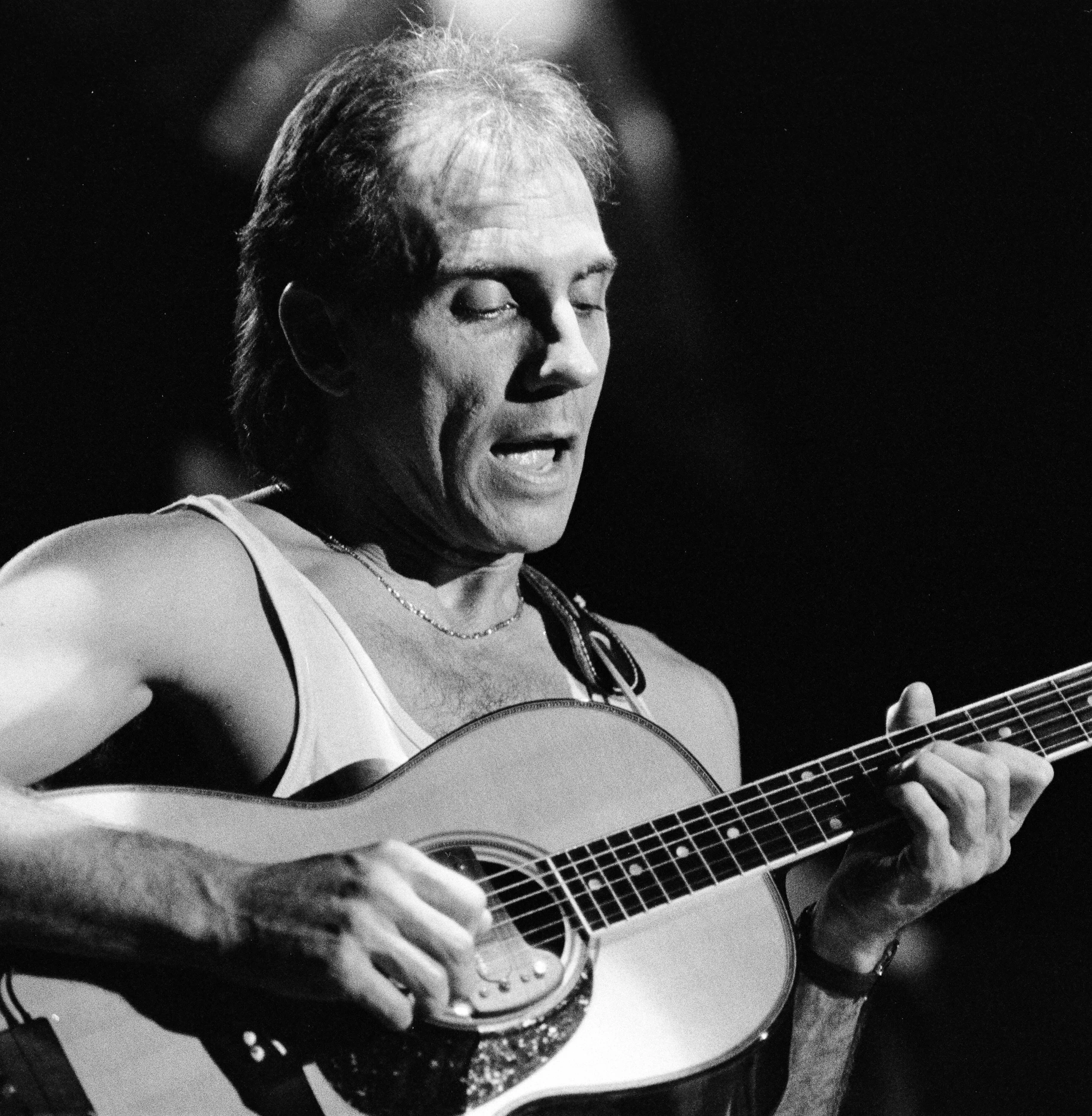
Larry Carlton — £1,000 · Pro-Level Tone
Larry Carlton is the definitive fusion-meets-jazz guitarist — his ES-335 and Dumble-influenced tone appearing on hundreds of 1970s and 80s pop, rock and jazz recordings. His smooth, thumb-behind-neck vibrato and position-based phrasing are immediately identifiable. Replicating that nuanced and harmonically sophisticated sound at the £1,000 · Pro-Level mark means Epiphone ES-335 into Fender Blues Junior IV. The effects — Boss BD-2 Blues Driver — add the finishing texture. This build totals ~£1,047 and captures the core character — a serious investment that brings you within touching distance of the real thing.
Build Larry Carlton's £1,000 · Pro-Level Rig
3 pieces · Total ~$1,228
What guitar does Larry Carlton use?
Larry Carlton is primarily associated with semi hollow style guitars. At a £1,000 budget, Epiphone ES-335 delivers the essential tonal character.
What to Buy
£1,000 · Pro-Level — Complete Gear List
Can't find one? See alternatives:
Why This Rig Works
How Larry Carlton's gear choices create the signature tone
Epiphone ES-335
The Epiphone ES-335 provides the tonal foundation for the entire rig — its character shapes everything that follows.
Boss BD-2 Blues Driver
Boss BD-2 Blues Driver — overdrive coloring added to the signal.
Fender Blues Junior IV
This is where the magic happens for Mayer and SRV tones. The EL84 power section breaks up beautifully when pushed, and the bright, clean headroom is exactly what Tube Screamer boost tones are built on.
The Combined Tone
Gibson ES-335 into a Dumble ODS or clean amp with a light overdrive pedal. The tone is warm, smooth and full — the semi-hollow 335 body contributes the rich resonance, and the Dumble or Fender amp provides clean headroom with dynamic response to pick attack. A subtle delay adds depth to lead lines.
Tone Tips
Getting the Sound Right
- The Fender Blues Junior IV stays cleaner longer than a Marshall-style amp — push it with a low-gain overdrive (gain at 2–3, level up) rather than cranking its own gain. Set treble at 6, bass at 4, and let the guitar's volume knob handle the dynamics.
- The thumb-over-neck grip is essential for Carlton's lead phrasing — wrapping the thumb over the neck changes the hand angle and string access, enabling the specific bending positions he uses
- The ES-335 tone is the instrument — a solid-body guitar into the same amp produces a notably different character. The semi-hollow resonance is part of the sound
- Clean amp with a light push — the Dumble ODS provides transparent amplification with smooth compression. Any clean Fender or similar will work; the key is responsiveness to pick dynamics
- "Room 335" is the definitive Carlton piece — study every note of this solo. It contains his signature licks, position changes and approach to phrasing
- Major and minor pentatonic blend freely in his solos — he moves between major and minor pentatonic in the same position to add colour changes
- Legato technique for flowing lines — hammer-ons and pull-offs connect phrases smoothly. Not all notes are picked
Avoid These Pitfalls
Common Mistakes When Chasing This Tone
- Running high-gain settings on a semi-hollow — the resonant body cavity feeds back uncontrollably at high gain levels. These guitars require lower gain and benefit from the natural resonance.
- Running multiple pedals into the input — boutique amps are designed for the natural guitar signal. Too many pedals before the input changes the input impedance and alters the amp's response.
- Too many repeats at high mix — more than 3 repeats makes the delay effect accumulate and overwhelm the dry guitar signal. Keep it to 2-3 repeats at a subtle mix level.
- Ignoring the guitar volume knob — rolling back to 6-7 is your rhythm setting; 10 is for leads. Most players leave it at 10 and miss the entire dynamic vocabulary.
- Using a humbucker where single coils are needed — the quack, string definition, and high-frequency air of single coils cannot be EQ'd into a humbucker
Budget Alternatives
Same Tone, Different Budget
FAQ
Larry Carlton Tone — Common Questions
Larry Carlton is primarily associated with semi hollow style guitars. At a £1,000 budget, Epiphone ES-335 delivers the essential tonal character.
Larry Carlton's amp is boutique clean voiced — clean with headroom, pushed by an overdrive pedal. At the £1,000 level, Fender Blues Junior IV is the closest match.
The £1,000 tier adds noticeably better build quality and tonal nuance over the £500 rig. This build totals £967 with Epiphone ES-335, Fender Blues Junior IV, 1 effect. This is the tier where the tone becomes genuinely convincing for gigging and recording.
Larry Carlton's essential pedals include Overdrive, Delay, Chorus. At the £1,000 tier: Boss BD-2 Blues Driver. Overdrive is the most important pedal — the others add nuance.
Larry Carlton's tone is defined by warm, vocal, sophisticated. The combination of semi hollow guitar and boutique clean amp creates a sound that is immediately recognisable.
Larry Carlton's gain approach is clean-boosted — a clean amp pushed by an overdrive pedal. The pedal adds colour; the amp adds body. At £1,000, this is replicated through Fender Blues Junior IV paired with Boss BD-2 Blues Driver.
Larry Carlton — £1,000 · Pro-Level Complete Rig
~£1,047Guitar
Epiphone ES-335
Amp
Fender Blues Junior IV
Overdrive
Boss BD-2 Blues Driver
Tone Match
Closest Real-World Tone Match
If you like Larry Carlton's tone, these players use a similar approach — same gear philosophy, comparable sound characteristics.
Related Tones