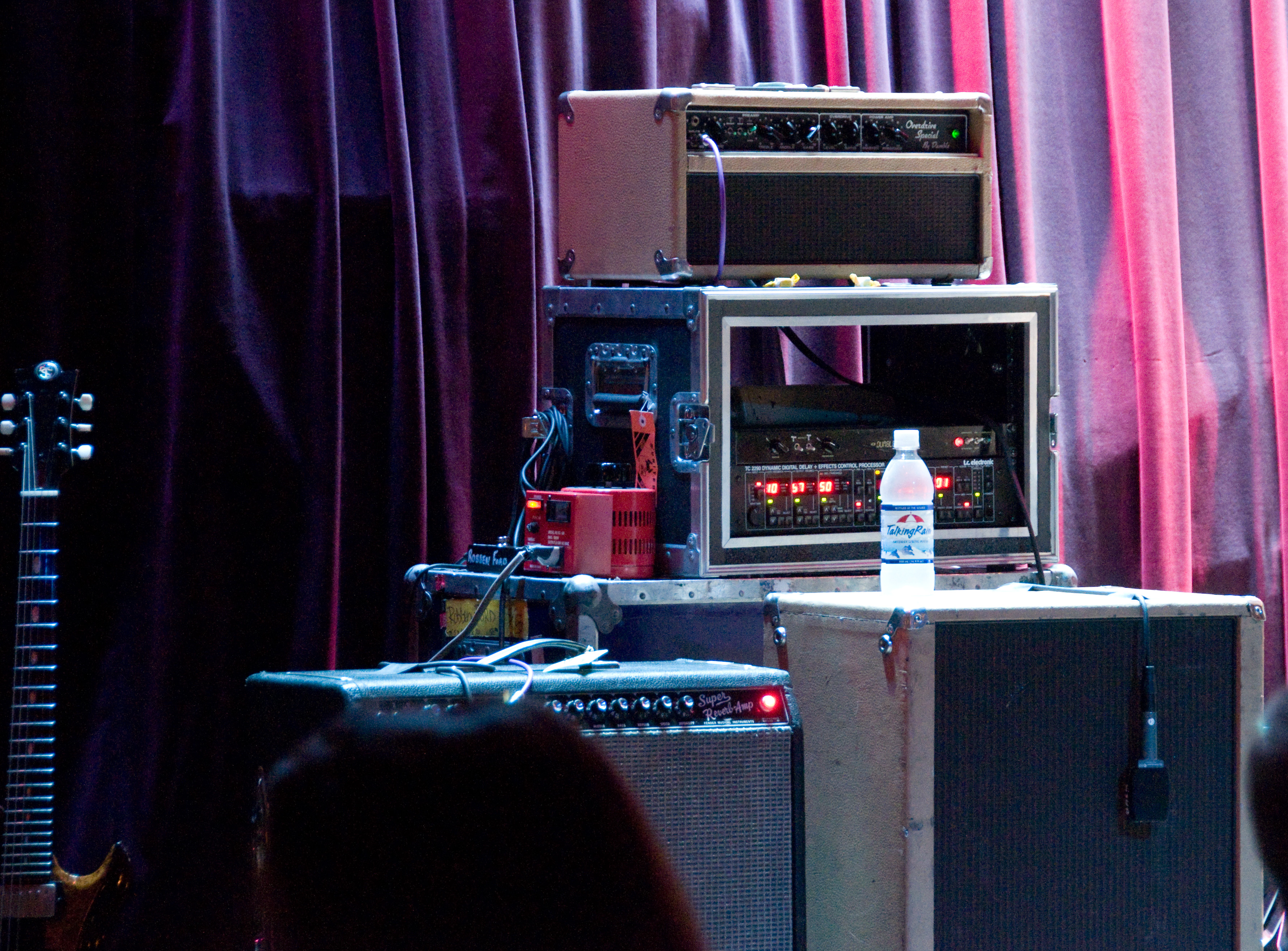
Robben Ford — £1,000 · Pro-Level Tone
Robben Ford is the master of the blues-jazz crossover — his Gibson ES-335 and Dumble amp combination produces one of the warmest, most sophisticated tones in guitar, matching jazz harmony with blues feel in a way that sounds completely natural. Replicating that soulful and deeply expressive sound at the £1,000 · Pro-Level mark means Epiphone ES-335 into Fender Blues Junior IV. The effects — Boss BD-2 Blues Driver — add the finishing texture. This build totals ~£1,047 and captures the core character — a serious investment that brings you within touching distance of the real thing.
Build Robben Ford's £1,000 · Pro-Level Rig
3 pieces · Total ~£1,047
What guitar does Robben Ford use?
Robben Ford is primarily associated with semi hollow style guitars. At a £1,000 budget, Epiphone ES-335 delivers the essential tonal character.
What to Buy
£1,000 · Pro-Level — Complete Gear List
Why This Rig Works
How Robben Ford's gear choices create the signature tone
Epiphone ES-335
The Epiphone ES-335 provides the tonal foundation for the entire rig — its character shapes everything that follows.
Boss BD-2 Blues Driver
Boss BD-2 Blues Driver — overdrive coloring added to the signal.
Fender Blues Junior IV
This is where the magic happens for Mayer and SRV tones. The EL84 power section breaks up beautifully when pushed, and the bright, clean headroom is exactly what Tube Screamer boost tones are built on.
The Combined Tone
Gibson ES-335 into a Dumble ODS or Fender Vibro-King with a very light overdrive. The tone is warm, dynamic and full — the semi-hollow resonance contributes the body, the Dumble provides transparent clean with perfect compression. Everything responds to the lightest changes in pick attack.
Tone Tips
Getting the Sound Right
- The thumb-over-neck grip is used for certain chord voicings — the thumb wraps over the low E string for specific jazz voicings that the standard grip cannot reach
- Blues and jazz harmony blend seamlessly in his playing — he uses jazz passing tones (b9, b13, major 7th) inside standard blues progressions
- Major blues scale is a signature element — the major pentatonic with added b3 produces the "major blues" character common to his playing
- The Dumble ODS responds to pick dynamics — this amp amplifies the difference between light and heavy attack. Practise controlling your pick pressure for volume and drive changes
- Semi-hollow guitar contributes a natural warmth that solid-body guitars cannot match at the same amp settings
- Study "Talk to Your Daughter" and "Help the Poor" for the core blues vocabulary with jazz inflections
- Position 2 (in-between) on the Strat or neck pickup on the 335 for the warm, smooth lead quality
- Legato phrasing runs connect phrases smoothly — hammer-on combinations at the end of a lick before resolving to a chord tone
Avoid These Pitfalls
Common Mistakes When Chasing This Tone
- Running high-gain settings on a semi-hollow — the resonant body cavity feeds back uncontrollably at high gain levels. These guitars require lower gain and benefit from the natural resonance.
- Running multiple pedals into the input — boutique amps are designed for the natural guitar signal. Too many pedals before the input changes the input impedance and alters the amp's response.
- Setting the boost level too high relative to the base tone — a boost for solos should raise the presence of the guitar, not cause a volume jump that overwhelms the mix. Level matching matters.
- Setting gain too high on the overdrive pedal — most overdrive pedals are most useful at gain settings of 2-5, where they add character without dominating the tone. High gain settings on an OD pedal become a distortion, not an overdrive.
- Using the bridge pickup as the default — the bridge is an accent position, not where the warmth and expressiveness of blues lead tone lives.
- Choosing a pick that is too heavy — thin to medium picks give edge noise and articulation that heavier picks smooth away. That edge is part of the sound.
Budget Alternatives
Same Tone, Different Budget
FAQ
Robben Ford Tone — Common Questions
Robben Ford is primarily associated with semi hollow style guitars. At a £1,000 budget, Epiphone ES-335 delivers the essential tonal character.
Robben Ford's amp is boutique clean voiced — clean with headroom, pushed by an overdrive pedal. At the £1,000 level, Fender Blues Junior IV is the closest match.
The £1,000 tier adds noticeably better build quality and tonal nuance over the £500 rig. This build totals £967 with Epiphone ES-335, Fender Blues Junior IV, 1 effect. This is the tier where the tone becomes genuinely convincing for gigging and recording.
Robben Ford's essential pedals include Overdrive, Chorus, Delay. At the £1,000 tier: Boss BD-2 Blues Driver. Overdrive is the most important pedal — the others add nuance.
Robben Ford's tone is defined by fusion-jazz, blues-jazz, sophisticated. The combination of semi hollow guitar and boutique clean amp creates a sound that is immediately recognisable.
Robben Ford's gain approach is clean-boosted — a clean amp pushed by an overdrive pedal. The pedal adds colour; the amp adds body. At £1,000, this is replicated through Fender Blues Junior IV paired with Boss BD-2 Blues Driver.
Robben Ford — £1,000 · Pro-Level Complete Rig
~£1,047Guitar
Epiphone ES-335
Amp
Fender Blues Junior IV
Overdrive
Boss BD-2 Blues Driver
Tone Match
Closest Real-World Tone Match
If you like Robben Ford's tone, these players use a similar approach — same gear philosophy, comparable sound characteristics.
Related Tones