JazzFusion1970s–present
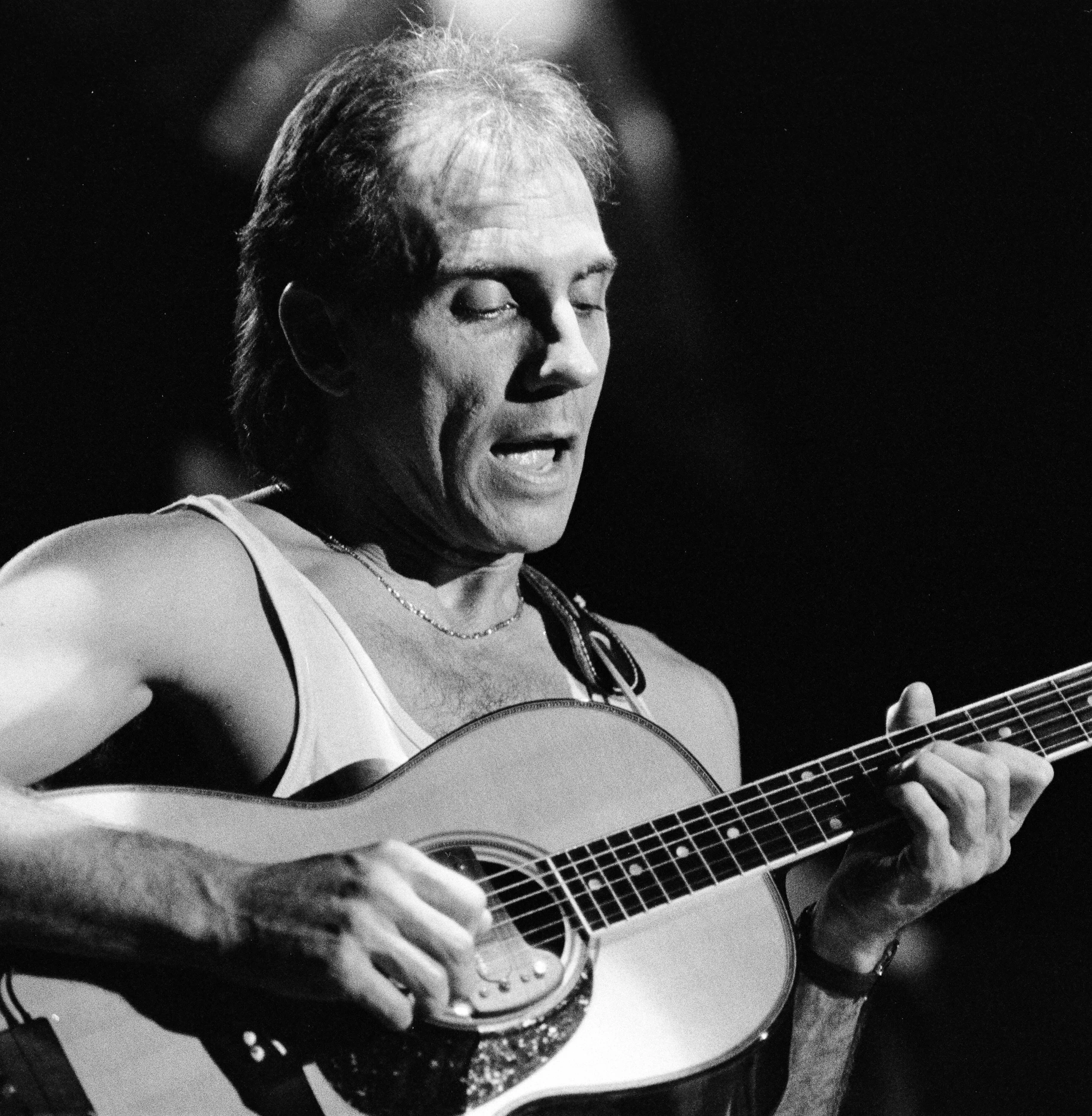
Larry Carlton — £1,000 · Pro-Level Rig
Gibson ES-335 into a Dumble ODS or clean amp with a light overdrive pedal. The tone is warm, smooth and full — the semi-hollow 335 body contributes the rich resonance, and the Dumble or Fender amp provides clean headroom with dynamic response to pick attack. A subtle delay adds depth to lead lines.
Signal Path
Signal Chain
Full signal path
GuitarEpiphone ES-335
ODBoss BD-2
AmpBlues Jr
Full Gear List
£1,000 · Pro-Level — Complete Rig

●●● Pro-Level$570
●●● Pro-Level$570

Tone Tips
Getting the Sound Right
- The thumb-over-neck grip is essential for Carlton's lead phrasing — wrapping the thumb over the neck changes the hand angle and string access, enabling the specific bending positions he uses
- The ES-335 tone is the instrument — a solid-body guitar into the same amp produces a notably different character. The semi-hollow resonance is part of the sound
- Position playing (CAGED system) is at the core of his improvisational approach — Carlton moves between positions fluidly rather than staying in one pentatonic box
- The vibrato is slow, wide and precise — he reaches the target pitch fully before beginning the vibrato. The vibrato is a statement, not decoration
- Clean amp with a light push — the Dumble ODS provides transparent amplification with smooth compression. Any clean Fender or similar will work; the key is responsiveness to pick dynamics
- "Room 335" is the definitive Carlton piece — study every note of this solo. It contains his signature licks, position changes and approach to phrasing
- Major and minor pentatonic blend freely in his solos — he moves between major and minor pentatonic in the same position to add colour changes
- Legato technique for flowing lines — hammer-ons and pull-offs connect phrases smoothly. Not all notes are picked
Avoid These Pitfalls
Common Mistakes When Chasing This Tone
- Running high-gain settings on a semi-hollow — the resonant body cavity feeds back uncontrollably at high gain levels. These guitars require lower gain and benefit from the natural resonance.
- Running multiple pedals into the input — boutique amps are designed for the natural guitar signal. Too many pedals before the input changes the input impedance and alters the amp's response.
- Setting the boost level too high relative to the base tone — a boost for solos should raise the presence of the guitar, not cause a volume jump that overwhelms the mix. Level matching matters.
- Setting gain too high on the overdrive pedal — most overdrive pedals are most useful at gain settings of 2-5, where they add character without dominating the tone. High gain settings on an OD pedal become a distortion, not an overdrive.
- Too many repeats at high mix — more than 3 repeats makes the delay effect accumulate and overwhelm the dry guitar signal. Keep it to 2-3 repeats at a subtle mix level.
- Ignoring the guitar volume knob — rolling back to 6-7 is your rhythm setting; 10 is for leads. Most players leave it at 10 and miss the entire dynamic vocabulary.
- Using a humbucker where single coils are needed — the quack, string definition, and high-frequency air of single coils cannot be EQ'd into a humbucker
Tone Profile
Larry Carlton's Sound
Gibson ES-335 into a Dumble ODS or clean amp with a light overdrive pedal. The tone is warm, smooth and full — the semi-hollow 335 body contributes the rich resonance, and the Dumble or Fender amp provides clean headroom with dynamic response to pick attack. A subtle delay adds depth to lead lines.