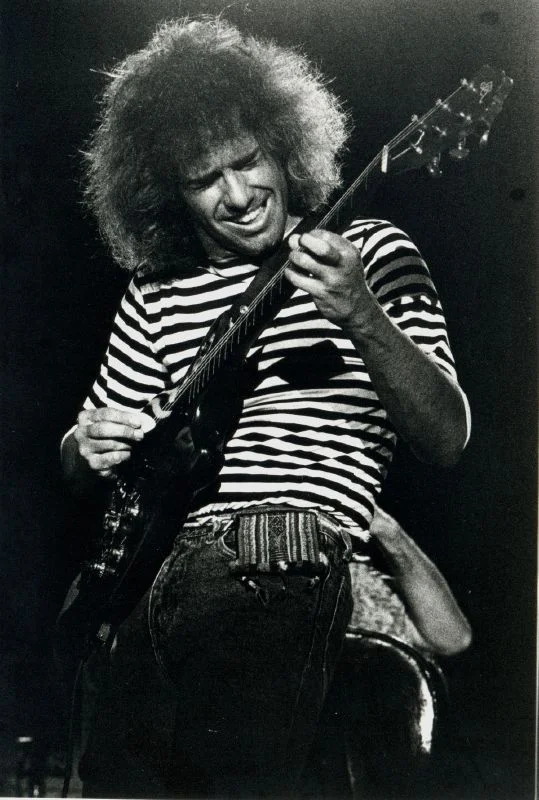
Pat Metheny — £2,500 · Premium Tone
Pat Metheny is the most commercially successful and stylistically diverse jazz guitarist alive — from ECM-label atmospheric jazz to hard-fusion, orchestral guitar synthesis and Brazilian-influenced acoustic work. Replicating that nuanced and harmonically sophisticated sound at the £2,500 · Premium mark means Gretsch G5420T Electromatic into Fender Deluxe Reverb (Reissue). The effects — Strymon Ola Chorus, Strymon Timeline — add the finishing texture. This build totals ~£2446 and captures the core character — a premium build targeting the most accurate recreation possible.
Build Pat Metheny's £2,500 · Premium Rig
4 pieces · Total ~$3,106
What guitar does Pat Metheny use?
Pat Metheny is primarily associated with hollow style guitars. At a £2,500 budget, Gretsch G5420T Electromatic delivers the essential tonal character.
What to Buy
£2,500 · Premium — Complete Gear List
Can't find one? See alternatives:
Why This Rig Works
How Pat Metheny's gear choices create the signature tone
Gretsch G5420T Electromatic
The Gretsch G5420T Electromatic provides the tonal foundation for the entire rig — its character shapes everything that follows.
- ChorusStrymon Ola Chorus
- DelayStrymon Timeline
Fender Deluxe Reverb (Reissue)
The Fender Deluxe Reverb (Reissue) converts the guitar signal into audible sound and adds its own tonal character — EQ shaping, natural gain, and the overall feel of the final tone.
The Combined Tone
Ibanez PM100 or ES-175-style archtop into a Roland GR-300 guitar synthesizer and clean amp. The tone is warm, round and rich — pure jazz archtop character. For fusion work, the Roland GR-300 adds orchestral textures behind the acoustic guitar tone. The pick is a pick but the touch is always light.
Tone Tips
Getting the Sound Right
- The Fender Deluxe Reverb (Reissue) stays cleaner longer than a Marshall-style amp — push it with a low-gain overdrive (gain at 2–3, level up) rather than cranking its own gain. Set treble at 6, bass at 4, and let the guitar's volume knob handle the dynamics.
- Wide chord voicings across all six strings — Metheny uses spread voicings that span the full width of the neck, creating a rich, piano-like harmonic texture
- Play in the space between notes — his phrasing leaves room for silence. Notes are events, not streams. The rests have as much meaning as the notes
- Study the Pat Metheny Group discography chronologically — his style evolved dramatically and understanding the progression helps understand each era's approach
- The core electric tone is a small-bodied hollowbody (ES-175 type) through a clean Roland JC-120 — the Pikasso guitar and orchestrion project are for specific compositional needs. Practice Pat's vocabulary on a conventional guitar before seeking out the exotic instruments
- Octave displacement changes the register of familiar lines to create freshness — Metheny plays melodic phrases at unexpected octave positions, so a phrase that sounds predictable in one register sounds fresh and unexpected one or two octaves higher or lower. Practice any learnt phrase across all available octave positions
- Chord-melody arrangements use the bass string as the root with the melody voiced on the highest available string — building complete voicings from bass note upward, with the melody on top, is the practical exercise. Study 'Alfie' for an extended example of this full-neck chord-melody approach
Avoid These Pitfalls
Common Mistakes When Chasing This Tone
- Playing at high volume without managing feedback — hollow-body guitars are acoustically live and will feedback freely at stage volumes. Amp positioning and pickup height affect this dramatically.
- Running multiple pedals into the input — boutique amps are designed for the natural guitar signal. Too many pedals before the input changes the input impedance and alters the amp's response.
- Not setting delay to song tempo — a delay that doesn't match the song tempo creates a rhythmic clash that builds and becomes increasingly obvious. Tap the tempo every time.
- Ignoring the dynamic interplay between volume knob and amp — fusion players often use the guitar volume knob as an additional tonal tool. Leaving it at 10 the whole time loses expressiveness.
- Excessive vibrato width — fusion vibrato should be controlled and musical. Wide, fast vibrato appropriate for rock feels out of place in jazz-influenced sections.
Budget Alternatives
Same Tone, Different Budget
FAQ
Pat Metheny Tone — Common Questions
Pat Metheny is primarily associated with hollow style guitars. At a £2,500 budget, Gretsch G5420T Electromatic delivers the essential tonal character.
Pat Metheny's amp is boutique clean voiced — clean to moderate gain. At the £2,500 level, Fender Deluxe Reverb (Reissue) is the closest match.
The £2,500 tier uses Pat Metheny's actual gear choices or direct equivalents. Total: £2,446. The tonal step up from £1,000 is real but diminishing — worth it for regular performers and studio work.
Pat Metheny's essential pedals include Chorus, Delay. At the £2,500 tier: Strymon Ola Chorus, Strymon Timeline. Chorus is the most important pedal — the others add nuance.
Pat Metheny's tone is defined by jazz-fusion, lush-chorus, melodic. The combination of hollow guitar and boutique clean amp creates a sound that is immediately recognisable.
Pat Metheny's gain approach is very clean — minimal distortion even at volume. The tone comes from the amp's natural warmth. At £2,500, this is replicated through Fender Deluxe Reverb (Reissue) paired with Strymon Ola Chorus.
Pat Metheny — £2,500 · Premium Complete Rig
~£2446Guitar
Gretsch G5420T Electromatic
Chorus
Strymon Ola Chorus
Amp
Fender Deluxe Reverb (Reissue)
Delay
Strymon Timeline
Tone Match
Closest Real-World Tone Match
If you like Pat Metheny's tone, these players use a similar approach — same gear philosophy, comparable sound characteristics.
Related Tones