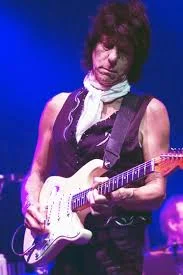
Jeff Beck — £2,500 · Premium Tone
The £2,500 · Premium build for Jeff Beck's powerful and driving sound opens with Fender Player Stratocaster — the tonal foundation that defines the character. Into Marshall DSL40CR paired with Strymon Mobius and Strymon Timeline, the rig comes to ~£2446 and delivers the essential elements. Jeff Beck was the most technically adventurous guitarist of his generation — he abandoned the plectrum in the late 1970s, controlling everything with his thumb and fingers. His Stratocaster-and-tremolo-bar vocabulary spanned blues, jazz, rock and electronics, every note shaped by whammy and touch.
Build Jeff Beck's £2,500 · Premium Rig
4 pieces · Total ~$3,106
What guitar does Jeff Beck use?
Jeff Beck is primarily associated with strat style guitars. At a £2,500 budget, Fender Player Stratocaster delivers the essential tonal character.
What to Buy
£2,500 · Premium — Complete Gear List
Can't find one? See alternatives:
Why This Rig Works
How Jeff Beck's gear choices create the signature tone
Fender Player Stratocaster
Where the Squier approximates the Strat voice, the Player Strat *is* the Strat voice. Noticeably more articulate and dynamic, responding to every nuance of pick attack.
- ModulationStrymon Mobius
- DelayStrymon Timeline
Marshall DSL40CR
The Marshall DSL40CR converts the guitar signal into audible sound and adds its own tonal character — EQ shaping, natural gain, and the overall feel of the final tone.
The Combined Tone
Fender Stratocaster (often 1954 or vintage-spec) into a medium-gain Marshall or Fender combo. Beck's whammy bar replaces a singer's vibrato — most notes are shaped after picking with an immediate bar bend or swell. His right-hand finger picking produces a soft, warm attack that no plectrum can match.
Tone Tips
Getting the Sound Right
- The Marshall DSL40CR delivers power-tube saturation at master volume 6–7 — this compression and sag is what separates amp-driven tone from pedal tone. Set the master first, then dial back the channel gain to taste rather than the other way around.
- Ditch the pick — Beck's fingers-only technique produces the soft, vocal attack
- Tremolo bar is always in the right hand; use it for vibrato, swells and subtle bends
- Harmonics — both natural and artificial — are central to the Beck vocabulary
- Listen to the Wired album (1976) and Blow by Blow (1975) as the primary reference for Beck's fingerstyle tone — both were recorded with no pick, and the tonal difference between fingertip attack and a plectrum is immediately audible and non-replicable with a pick regardless of how softly it is held
- Beck uses the tremolo arm as a continuous pitch-shaping tool between notes, not just for dramatic dives — subtle bar pushes between individual notes give phrases a sax-like "blue note" quality that is physically impossible with a standard vibrato technique
- The "swell" technique (picking the note silently then rolling the volume up) should be practised until the volume pot roll is smooth and fast enough to complete before the transient has decayed — the goal is a note that appears to have no attack, blooming out of silence like a cello bowing
Avoid These Pitfalls
Common Mistakes When Chasing This Tone
- Leaving the guitar volume at 10 — single coil brightness at full volume can be harsh. Rolling back to 8-9 tames the top end without killing output.
- Using a high-gain distortion pedal instead of amp gain — British crunch amps have a specific harmonic character when driven from their own gain stage. A pedal changes this character.
- Too many repeats at high mix — more than 3 repeats makes the delay effect accumulate and overwhelm the dry guitar signal. Keep it to 2-3 repeats at a subtle mix level.
- Setting amp gain at 5 or higher — blues tone lives at the edge of breakup (gain 3-4), not in full saturation. High gain compresses away all the dynamic feel.
- Ignoring the guitar volume knob — rolling back to 6-7 is your rhythm setting; 10 is for leads. Most players leave it at 10 and miss the entire dynamic vocabulary.
Budget Alternatives
Same Tone, Different Budget
FAQ
Jeff Beck Tone — Common Questions
Jeff Beck is primarily associated with strat style guitars. At a £2,500 budget, Fender Player Stratocaster delivers the essential tonal character.
Jeff Beck's amp is british crunch voiced — the amp running hot, providing natural tube saturation. At the £2,500 level, Marshall DSL40CR is the closest match.
The £2,500 tier uses Jeff Beck's actual gear choices or direct equivalents. Total: £2,446. The tonal step up from £1,000 is real but diminishing — worth it for regular performers and studio work.
Jeff Beck's essential pedals include Delay, Modulation. At the £2,500 tier: Strymon Mobius, Strymon Timeline. Delay is the most important pedal — the others add nuance.
Jeff Beck's tone is defined by finger-vibrato, expressive, innovative. The combination of strat guitar and british crunch amp creates a sound that is immediately recognisable.
Jeff Beck's gain approach is amp-driven — natural tube saturation from pushing the amp hard, not from distortion pedals. At £2,500, this is replicated through Marshall DSL40CR paired with Strymon Mobius.
Jeff Beck — £2,500 · Premium Complete Rig
~£2446Guitar
Fender Player Stratocaster
Modulation
Strymon Mobius
Amp
Marshall DSL40CR
Delay
Strymon Timeline
Tone Match
Closest Real-World Tone Match
If you like Jeff Beck's tone, these players use a similar approach — same gear philosophy, comparable sound characteristics.
Related Tones