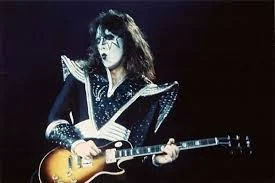
Ace Frehley — £2,500 · Premium Tone
The £2,500 · Premium build for Ace Frehley's heavy and assertive sound opens with Gibson Les Paul Junior — the tonal foundation that defines the character. Into Marshall DSL40CR paired with Dunlop Cry Baby 535Q and Boss SD-1 Super Overdrive, the rig comes to ~£2490 and delivers the essential elements. Ace Frehley of KISS was the "Space Ace" — his Les Paul into Marshall tone and bluesy, pentatonic lead style defined classic hard rock guitar for a generation. More technically bluesy than metal, more musical than his flamboyant stage persona suggested.
Build Ace Frehley's £2,500 · Premium Rig
6 pieces · Total ~$3,162
What guitar does Ace Frehley use?
Ace Frehley is primarily associated with lp style guitars. At a £2,500 budget, Gibson Les Paul Junior delivers the essential tonal character.
What to Buy
£2,500 · Premium — Complete Gear List
Can't find one? See alternatives:
Why This Rig Works
How Ace Frehley's gear choices create the signature tone
Gibson Les Paul Junior
The Gibson Les Paul Junior delivers warm humbucker thickness and singing sustain — the classic foundation for rock and blues tones.
- WahDunlop Cry Baby 535Q
- OverdriveBoss SD-1 Super Overdrive
- DelayStrymon Timeline
- ReverbStrymon Flint
Marshall DSL40CR
The Marshall DSL40CR converts the guitar signal into audible sound and adds its own tonal character — EQ shaping, natural gain, and the overall feel of the final tone.
The Combined Tone
Gibson Les Paul (various) into a Marshall Super Lead 100W at moderate gain. The tone is warm, mid-heavy Les Paul crunch — not extreme metal gain. Ace's leads are pentatonic blues-rock, fast enough to be exciting but always melodic and accessible. A light chorus or delay on some recordings adds depth.
Tone Tips
Getting the Sound Right
- The Marshall DSL40CR delivers power-tube saturation at master volume 6–7 — this compression and sag is what separates amp-driven tone from pedal tone. Set the master first, then dial back the channel gain to taste rather than the other way around.
- The tone is mid-forward Marshall crunch, not extreme metal — Ace played Les Paul through a warm Marshall on medium gain. Modern metal high-gain settings are wrong for this style
- Les Paul bridge pickup for the main solo tone — the humbucker warmth and sustain are characteristic
- Play with conviction over precision — KISS is more about the performance feeling than perfect technique. Selling the note matters as much as hitting it
- Use the Les Paul's neck pickup for the warm, round sustain tone of Frehley's melodic solos — the neck pickup through a Marshall gives the vocal, singing quality that is characteristic of his slower phrased lead work over hard rock backing
- Pinch harmonics on string bends add the high-pitched squeal to solo peaks — practice the pick angle and thumb position independently before combining at speed. The technique requires the thumb flesh to contact the string immediately after the pick strikes
- The phrasing is emotionally direct rather than technically complex — Frehley's solos are built from simple pentatonic phrases delivered with conviction. Focus on the feel and timing of each note rather than filling every bar with movement
Avoid These Pitfalls
Common Mistakes When Chasing This Tone
- Scooping mids on the JCM800 with humbuckers — the mid-forward character of British amps with humbuckers is the central sound of classic rock. A mid scoop removes the fundamental voice of the combination
- Setting the amp bass too high — the inherent warmth of mahogany means you need less bass EQ than with a Strat. Starting at 5 rather than 7 prevents low-end mud.
- Not setting delay to song tempo — a delay that doesn't match the song tempo creates a rhythmic clash that builds and becomes increasingly obvious. Tap the tempo every time.
- Scooping mids to "sound heavier" — a guitar with mids removed disappears under bass and drums. Metal tone cuts through a mix, and that requires midrange.
- Using single-coil pickups — the lack of output and mid-frequency push makes it impossible to achieve the tightness needed for high-gain rhythm playing.
Budget Alternatives
Same Tone, Different Budget
FAQ
Ace Frehley Tone — Common Questions
Ace Frehley is primarily associated with lp style guitars. At a £2,500 budget, Gibson Les Paul Junior delivers the essential tonal character.
Ace Frehley's amp is british crunch voiced — the amp running hot, providing natural tube saturation. At the £2,500 level, Marshall DSL40CR is the closest match.
The £2,500 tier uses Ace Frehley's actual gear choices or direct equivalents. Total: £2,490. The tonal step up from £1,000 is real but diminishing — worth it for regular performers and studio work.
Ace Frehley's essential pedals include Overdrive, Delay, Reverb. At the £2,500 tier: Dunlop Cry Baby 535Q, Boss SD-1 Super Overdrive, Strymon Timeline. Overdrive is the most important pedal — the others add nuance.
Ace Frehley's tone is defined by hard-rock, smoking-lead, arena-rock. The combination of lp guitar and british crunch amp creates a sound that is immediately recognisable.
Ace Frehley's gain approach is amp-driven — natural tube saturation from pushing the amp hard, not from distortion pedals. At £2,500, this is replicated through Marshall DSL40CR paired with Dunlop Cry Baby 535Q.
Ace Frehley — £2,500 · Premium Complete Rig
~£2490Guitar
Gibson Les Paul Junior
Wah
Dunlop Cry Baby 535Q
Overdrive
Boss SD-1 Super Overdrive
Amp
Marshall DSL40CR
Delay
Strymon Timeline
Reverb
Strymon Flint
Tone Match
Closest Real-World Tone Match
If you like Ace Frehley's tone, these players use a similar approach — same gear philosophy, comparable sound characteristics.
Related Tones