Adrian Belew — £2,500 · Premium Tone
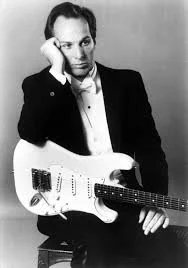
The £2,500 · Premium build for Adrian Belew's experimental and textural sound opens with Fender Player Stratocaster — the tonal foundation that defines the character. Into Marshall DSL40CR paired with Boss DS-1 Distortion and Strymon Mobius, the rig comes to ~£2495 and delivers the essential elements. Adrian Belew is the guitarist who made the electric guitar sound like nothing else — elephants, cars, jet planes, and alien soundscapes all emerged from his Parker Fly and effects chain during his time with King Crimson, David Bowie, Talking Heads, and Nine Inch Nails.
Build Adrian Belew's £2,500 · Premium Rig
5 pieces · Total ~$3,169
What guitar does Belew use?
Belew is primarily associated with strat style guitars. At a £2,500 budget, Fender Player Stratocaster delivers the essential tonal character.
What to Buy
£2,500 · Premium — Complete Gear List
Can't find one? See alternatives:
Why This Rig Works
How Adrian Belew's gear choices create the signature tone
Fender Player Stratocaster
Where the Squier approximates the Strat voice, the Player Strat *is* the Strat voice. Noticeably more articulate and dynamic, responding to every nuance of pick attack.
- Crunch Boxraw transistor crunch and rock aggression
- ModulationStrymon Mobius
- DelayStrymon Timeline
Marshall DSL40CR
The Marshall DSL40CR converts the guitar signal into audible sound and adds its own tonal character — EQ shaping, natural gain, and the overall feel of the final tone.
The Combined Tone
Adrian Belew's tone is defined by radical effects experimentation rather than a single core sound. His base guitar is a Parker Fly (piezo acoustic + magnetic pickups) routed through a Fernandes Sustainer for infinite feedback, then into a carefully sequenced effects board featuring Roland VG-8 guitar synthesiser, DigiTech Whammy, stereo chorus, and various pitch-shifting devices. His amp tone, when you hear it without effects, is relatively clean — the drama comes from real-time manipulation of pitch, time, and dynamics. He is the master of "what was that?" guitar moments.
Tone Tips
Getting the Sound Right
- The Marshall DSL40CR delivers power-tube saturation at master volume 6–7 — this compression and sag is what separates amp-driven tone from pedal tone. Set the master first, then dial back the channel gain to taste rather than the other way around.
- Add a Whammy pedal and use it for octave bends to unexpected intervals
- Use infinite sustain (sustainer or Ebow) for ambient drone textures
- Study 'Thela Hun Ginjeet' and 'Elephant Talk' for the approach where guitar mimics non-musical sound sources — Belew plays textures that suggest elephants, cars, and industrial noise rather than traditional guitar vocabulary. These sounds come from extreme string bending, feedback, and manipulated effects
- Robert Fripp's guitar orchestration techniques in King Crimson were the collaborative framework — Belew's lead textures were composed to complement Fripp's rhythmic and harmonic work. Listening to both guitar parts separately reveals how specifically each was constructed to leave space for the other
- King Crimson rhythm tracks avoid the obvious downbeat — Belew's rhythm guitar in the Discipline-era material places chords and riffs at metric positions that create apparent rhythm changes without the underlying pulse actually shifting. Study 'Discipline' and 'Frame by Frame' for this technique
- Feedback as a compositional element requires facing the amp at specific angles and distances — Belew uses feedback by positioning the guitar to produce sustained, pitch-stable feedback at particular notes. The feedback pitch is controlled by the fret position, not left to chance
Avoid These Pitfalls
Common Mistakes When Chasing This Tone
- Using a humbucker guitar as a substitute — the quack, string noise, and bright attack of single coils are irreplaceable. No amount of EQ on a humbucker produces the same result.
- Using a high-gain distortion pedal instead of amp gain — British crunch amps have a specific harmonic character when driven from their own gain stage. A pedal changes this character.
- Too many repeats at high mix — more than 3 repeats makes the delay effect accumulate and overwhelm the dry guitar signal. Keep it to 2-3 repeats at a subtle mix level.
- Using too much reverb on clean passages — prog clean tone should be open and detailed. Long reverb tails wash out the note clarity that makes complex chord voicings readable.
- Ignoring the room or PA system — prog guitar changes tone dramatically in different acoustic environments. Dialling in EQ in isolation gives a different result than through a full PA.
Budget Alternatives
Same Tone, Different Budget
FAQ
Adrian Belew Tone — Common Questions
Belew is primarily associated with strat style guitars. At a £2,500 budget, Fender Player Stratocaster delivers the essential tonal character.
Belew's amp is british crunch voiced — clean to moderate gain. At the £2,500 level, Marshall DSL40CR is the closest match.
The £2,500 tier uses Belew's actual gear choices or direct equivalents. Total: £2,495. The tonal step up from £1,000 is real but diminishing — worth it for regular performers and studio work.
Belew's essential pedals include Delay, Modulation, Whammy. At the £2,500 tier: Boss DS-1 Distortion, Strymon Mobius, Strymon Timeline. Delay is the most important pedal — the others add nuance.
Belew's tone is defined by avant-garde, pitch-shifting, king-crimson. The combination of strat guitar and british crunch amp creates a sound that is immediately recognisable.
Belew's gain approach is pedal-driven — distortion pedals into a relatively clean amp. The pedal defines the distortion character. At £2,500, this is replicated through Marshall DSL40CR paired with Boss DS-1 Distortion.
Adrian Belew — £2,500 · Premium Complete Rig
~£2495Guitar
Fender Player Stratocaster
Distortion
Boss DS-1 Distortion
Modulation
Strymon Mobius
Amp
Marshall DSL40CR
Delay
Strymon Timeline
Tone Match
Closest Real-World Tone Match
If you like Adrian Belew's tone, these players use a similar approach — same gear philosophy, comparable sound characteristics.
Related Tones