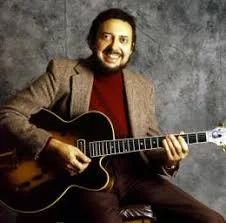
Barney Kessel — £2,500 · Premium Tone
At £2,500 · Premium, Barney Kessel's nuanced and harmonically sophisticated tone is more accessible than most players expect. Rooted in the dawn of rock and roll, their sound — Barney Kessel was one of the most commercially versatile jazz guitarists in history — equally at home recording bebop albums, playing on Elvis Presley and Ray Charles sessions as one of the legendary Wrecking Crew, and performing solo jazz concerts worldwide. — starts with Epiphone ES-175 and Carr Rambler 1×12 Combo, totalling ~£2498. That combination captures the defining characteristics without the premium price tag.
Build Barney Kessel's £2,500 · Premium Rig
2 pieces · Total ~$3,172
What guitar does Kessel use?
Kessel is primarily associated with hollow style guitars. At a £2,500 budget, Epiphone ES-175 delivers the essential tonal character.
What to Buy
£2,500 · Premium — Complete Gear List
Why This Rig Works
How Barney Kessel's gear choices create the signature tone
Epiphone ES-175
The Epiphone ES-175 provides the tonal foundation for the entire rig — its character shapes everything that follows.
Carr Rambler 1×12 Combo
The Carr Rambler 1×12 Combo converts the guitar signal into audible sound and adds its own tonal character — EQ shaping, natural gain, and the overall feel of the final tone.
The Combined Tone
Barney Kessel's tone is polished, articulate and clean — built around his signature Gibson Barney Kessel model or an ES-350, running into a clean amplifier with no effects. His sound is brighter than many jazz contemporaries, with a crisper attack that cuts through ensembles and busy pop arrangements. He used both neck and bridge pickups depending on context: neck for ballads, bridge for rhythm playing in pop sessions. The clarity is important — as a session player, his parts had to be heard on the first take.
Tone Tips
Getting the Sound Right
- At the £2,500 tier the Epiphone ES-175 has enough tonal character to reward small adjustments — pickup height, tone knob position (start at 7, not 10), and pick gauge all interact with the amp in ways that are clearly audible at this quality level.
- Use the bridge pickup for session comping — cuts through dense arrangements
- Switch to neck pickup for ballads and melody work
- Chord-melody approach: root in the bass, guide tones (3rd and 7th) in the middle voices, melody on top — this three-voice arrangement produces the elegant, harmonically complete jazz texture from a single guitar without any support instrument
- Chromatic passing tones between chord tones create smooth line continuity — following bebop practice of approaching each chord tone from a semitone below or above connects the notes into flowing lines and removes the stepwise gap that sounds mechanical
- The pick should barely move the string — a very light attack with a medium-thin pick allows fast, articulate bebop runs without generating excess string noise or pick clicks that the studio microphone will capture and exaggerate
- Vibrato at the end of held notes is slow and subtle — jazz vibrato is fundamentally different from rock vibrato. Develop a gentle, wide, slow vibrato applied with minimal pressure change to avoid going sharp at the peak of the cycle
Avoid These Pitfalls
Common Mistakes When Chasing This Tone
- Using high-gain distortion — hollowbody guitars are designed for clean and light-drive use. High gain causes uncontrollable acoustic resonance that the pickup amplifies as noise.
- Using the amp's volume at less than 4 — boutique clean amps are designed to be played at certain output levels. At very low volumes the tone is compressed and flat compared to full-level operation.
- Expecting a clean tone to cover all playing dynamics — clean tone requires picking technique to do all the work. Lazy picking dynamics become very audible on a clean signal.
- Keeping the tone knob at 10 — full treble on a jazz guitar gives a nasal, honky quality that sounds nothing like the warm round jazz ideal.
- Using round-wound strings — they are brighter, last longer, and have more sustain, but they also sound more "electric" and less woody than flat-wounds for jazz.
Budget Alternatives
Same Tone, Different Budget
FAQ
Barney Kessel Tone — Common Questions
Kessel is primarily associated with hollow style guitars. At a £2,500 budget, Epiphone ES-175 delivers the essential tonal character.
Kessel's amp is boutique clean voiced — clean to moderate gain. At the £2,500 level, Carr Rambler 1×12 Combo is the closest match.
The £2,500 tier uses Kessel's actual gear choices or direct equivalents. Total: £2,498. The tonal step up from £1,000 is real but diminishing — worth it for regular performers and studio work.
Kessel's tone is defined by bebop, swinging, hollow-body. The combination of hollow guitar and boutique clean amp creates a sound that is immediately recognisable.
Kessel's gain approach is very clean — minimal distortion even at volume. The tone comes from the amp's natural warmth. At £2,500, this is replicated through Carr Rambler 1×12 Combo.
Barney Kessel — £2,500 · Premium Complete Rig
~£2498Guitar
Epiphone ES-175
Amp
Carr Rambler 1×12 Combo
Tone Match
Closest Real-World Tone Match
If you like Barney Kessel's tone, these players use a similar approach — same gear philosophy, comparable sound characteristics.
Related Tones