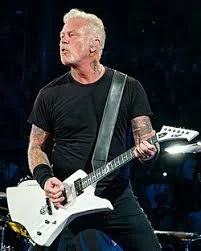
James Hetfield — £2,500 · Premium Tone
James Hetfield's relentless and intense tone took shape during the decade of guitar virtuosity and arena rock and remains one of the most sought-after sounds on guitar. James Hetfield is widely regarded as the greatest rhythm guitarist in metal — his downpicking technique, perfectly controlled palm muting and sense of dynamic groove make Metallica's riffs feel like forces of nature. His ESP Explorer-style guitars through Mesa Boogie produce a tight, surgical rhythm tone matched by no one. At the £2,500 · Premium mark — a premium build targeting the most accurate recreation possible — the build centres on a Dean ML Select running through a Marshall DSL40CR, with Paul Cochrane Timmy and Empress ParaEQ completing the signal chain, totalling ~£2464.
Build James Hetfield's £2,500 · Premium Rig
6 pieces · Total ~$3,129
What guitar does James Hetfield use?
James Hetfield is primarily associated with explorer style guitars. At a £2,500 budget, Dean ML Select delivers the essential tonal character.
What to Buy
£2,500 · Premium — Complete Gear List
Can't find one? See alternatives:
Why This Rig Works
How James Hetfield's gear choices create the signature tone
Dean ML Select
The Dean ML Select provides the tonal foundation for the entire rig — its character shapes everything that follows.
- BoostPaul Cochrane Timmy
- EQEmpress ParaEQ
- DistortionWampler Dracarys
- DelayStrymon Timeline
Marshall DSL40CR
The Marshall DSL40CR converts the guitar signal into audible sound and adds its own tonal character — EQ shaping, natural gain, and the overall feel of the final tone.
The Combined Tone
ESP James Hetfield signature (active EMG 81/60 pickups) into a Mesa Boogie Dual Rectifier or Engl Powerball. Very high gain, extremely tight low end — Hetfield's downpicking attack is so controlled that every note is perfectly articulated even at extreme gain levels. Almost no effects on rhythm; leads use subtle delay.
Tone Tips
Getting the Sound Right
- The Marshall DSL40CR delivers power-tube saturation at master volume 6–7 — this compression and sag is what separates amp-driven tone from pedal tone. Set the master first, then dial back the channel gain to taste rather than the other way around.
- Strict downpicking is Hetfield's signature — no alternate picking on primary riff strokes
- Palm muting pressure varies riff to riff — tight against the bridge = chunky; release = ring
- Study "Master of Puppets" riff and "Battery" intro for the definitive Hetfield approach
- Downpicking stamina is a physical fitness exercise as much as a musical one — Hetfield can maintain strict downpicking at 200bpm for extended sections through decades of daily practice; build it progressively starting at 100bpm for 30 seconds and adding tempo or duration weekly, not trying to jump straight to performance tempo
- The noise gate must be set carefully to avoid choking the natural sustain of notes in melodic riff sections — the gate threshold should be just above the noise floor of the high-gain amp, not set so aggressively that it clips the tail of notes prematurely. Learn to hear the difference between proper gating and over-gating
- Record your own rhythm guitar parts and listen back critically for the consistency of the muting — Hetfield's "chunk" is even and metronomic on every beat; most players mute slightly inconsistently (some notes louder, some quieter), which breaks the mechanical precision that makes thrash riffs have their characteristic locked-in quality
Avoid These Pitfalls
Common Mistakes When Chasing This Tone
- Running the Dual Rectifier's gain channel at maximum — above 8 on most high-gain channels, palm mutes lose note separation and become an indistinct wall. The target is the minimum gain for the target saturation, not maximum
- Expecting the guitar volume knob to clean up the tone at high gain the same way it does with passive pickups — active pickups output a consistent, buffered signal. The volume knob only changes output level, not the pickup's interaction with the amp
- Alternating pick rhythm parts — thrash rhythm is primarily down-picked for a reason. The extra weight of consistent downstrokes is part of the physical feel.
- Using too much gain — clarity at speed requires that individual palm mutes are audible. Maximum gain creates a compressed wall that sounds powerful but loses all rhythmic precision.
Budget Alternatives
Same Tone, Different Budget
FAQ
James Hetfield Tone — Common Questions
James Hetfield is primarily associated with explorer style guitars. At a £2,500 budget, Dean ML Select delivers the essential tonal character.
James Hetfield's amp is high gain voiced — high-gain with significant distortion from the amp itself. At the £2,500 level, Marshall DSL40CR is the closest match.
The £2,500 tier uses James Hetfield's actual gear choices or direct equivalents. Total: £2,464. The tonal step up from £1,000 is real but diminishing — worth it for regular performers and studio work.
James Hetfield's essential pedals include EQ, Boost, Delay. At the £2,500 tier: Paul Cochrane Timmy, Empress ParaEQ, Wampler Dracarys. EQ is the most important pedal — the others add nuance.
James Hetfield's tone is defined by mechanical-precision, tight-low-end, down-picked. The combination of explorer guitar and high gain amp creates a sound that is immediately recognisable.
James Hetfield's gain approach is high-gain — dedicated high-gain amp channels or heavy drive pedals with significant distortion. At £2,500, this is replicated through Marshall DSL40CR paired with Paul Cochrane Timmy.
James Hetfield — £2,500 · Premium Complete Rig
~£2464Guitar
Dean ML Select
Boost
Paul Cochrane Timmy
EQ
Empress ParaEQ
Distortion
Wampler Dracarys
Amp
Marshall DSL40CR
Delay
Strymon Timeline
Tone Match
Closest Real-World Tone Match
If you like James Hetfield's tone, these players use a similar approach — same gear philosophy, comparable sound characteristics.
Related Tones