Dick Dale — £2,500 · Premium Tone
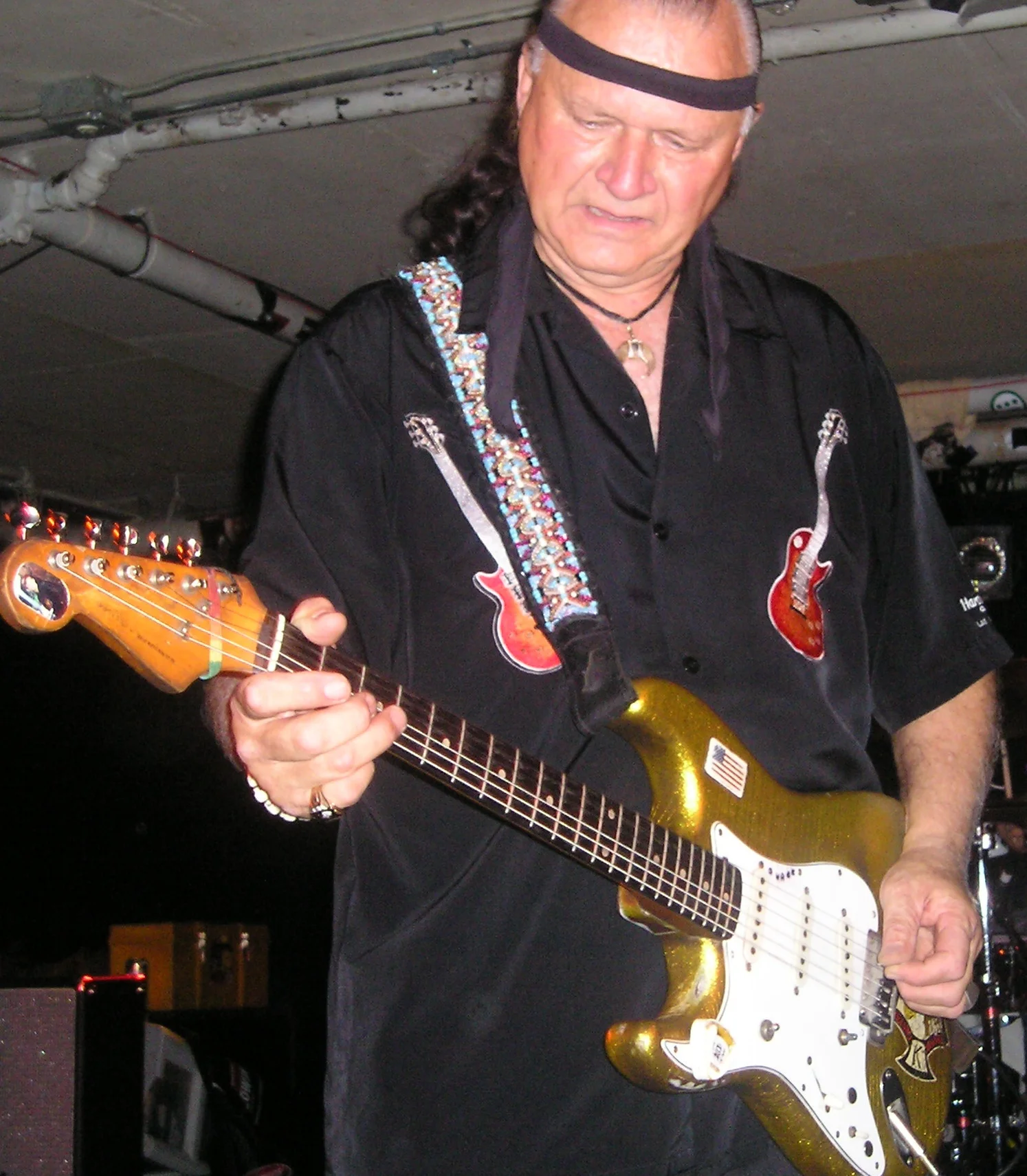
Dick Dale, the 'King of the Surf Guitar', pioneered a thunderous staccato style built on rapid alternate tremolo picking and exotic Middle Eastern scales, immortalised by 'Misirlou'. His tone is loud, wet and aggressive — heavy-gauge strings slammed through a cranked Fender amp drenched in spring reverb. Playing a right-handed Strat flipped upside down without restringing, he attacked the instrument with relentless rhythmic drive. Replicating that distinctive and influential sound at the £2,500 · Premium mark means Fender American Professional II Stratocaster into Fender Deluxe Reverb (Reissue). The effects — Surfybear Compact Reverb — add the finishing texture. This build totals ~£2497 and captures the core character — a premium build targeting the most accurate recreation possible.
Build Dick Dale's £2,500 · Premium Rig
3 pieces · Total ~$3,171
What guitar does Dale use?
Dale is primarily associated with strat style guitars. At a £2,500 budget, Fender American Professional II Stratocaster delivers the essential tonal character.
What to Buy
£2,500 · Premium — Complete Gear List
Can't find one? See alternatives:
Why This Rig Works
How Dick Dale's gear choices create the signature tone
Fender American Professional II Stratocaster
The Fender American Professional II Stratocaster brings bright single-coil clarity and dynamic responsiveness — a versatile foundation that reacts to every nuance of pick attack.
Surfybear Compact Reverb
Surfybear Compact Reverb — reverb coloring added to the signal.
Fender Deluxe Reverb (Reissue)
The Fender Deluxe Reverb (Reissue) converts the guitar signal into audible sound and adds its own tonal character — EQ shaping, natural gain, and the overall feel of the final tone.
The Combined Tone
Bridge pickup of a Fender Stratocaster into a cranked Fender Showman or Dual Showman with the volume pushed for natural compression and warmth, never fizzy distortion. The defining element is the Fender outboard spring reverb tank set deep and splashy. Heavy-gauge flatwound or roundwound strings (up to .060 on the low E) give the percussive, snappy attack.
Tone Tips
Getting the Sound Right
- The Fender Deluxe Reverb (Reissue) stays cleaner longer than a Marshall-style amp — push it with a low-gain overdrive (gain at 2–3, level up) rather than cranking its own gain. Set treble at 6, bass at 4, and let the guitar's volume knob handle the dynamics.
- Master fast alternate (down-up) tremolo picking on a single note — 'Misirlou' lives or dies on tight, machine-gun 16th-note picking with the pick angled slightly for max bite
- Use the bridge pickup for the bright, cutting staccato attack, rolling tone control to around 7–8 to keep brightness without harshness
- Use a medium-heavy pick (1.0–1.5mm) for the staccato runs — thinner picks flex too much and lose the machine-gun precision of fast tremolo-picked passages; a stiff pick transfers energy directly and snaps off the string cleanly
- Surf music depends on short, punchy notes separated by silence — right-hand mute between picking bursts to create the staccato space that lets the spring reverb wash fill naturally; continuous legato playing destroys the characteristic choppy energy
- Dale was left-handed playing a right-handed guitar strung upside-down, so his "downstroke" is physically reversed — emulating the attack character means focusing on a slightly heavier upstroke if you are playing a right-handed guitar right-handed
- Learn the Phrygian dominant mode (scale degrees 1–b2–3–4–5–b6–b7) in the key of E — this scale, based on an E major chord with a flattened second, is the direct source of the Middle Eastern flavour in "Misirlou" and forms the basis of Dale's melodic language
Avoid These Pitfalls
Common Mistakes When Chasing This Tone
- Running the tone knob at 10 the entire time — the tone control on a Strat is an expressive tool. Rolling it back changes the character of the sound in ways that affect how you phrase.
- Setting bass too high on a Fender spring reverb amp — at high bass settings the reverb tank produces a "booming" quality that muddies the tone. Start with bass at 4-5.
- Adding compression to fix flat clean tone — a flat, lifeless clean tone usually means the amp gain or presence is wrong, not that compression is needed. Compression on a flat tone just makes it louder.
- Low reverb mix level — surf reverb should be prominent enough that the spring wash is part of the note character, not just a background spatial enhancement.
- Wrong pickup position — playing near the neck pickup for surf tone removes the bright, cutting attack that defines the style. Bridge pickup is correct.
Budget Alternatives
Same Tone, Different Budget
FAQ
Dick Dale Tone — Common Questions
Dale is primarily associated with strat style guitars. At a £2,500 budget, Fender American Professional II Stratocaster delivers the essential tonal character.
Dale's amp is clean fender voiced — clean to moderate gain. At the £2,500 level, Fender Deluxe Reverb (Reissue) is the closest match.
The £2,500 tier uses Dale's actual gear choices or direct equivalents. Total: £2,497. The tonal step up from £1,000 is real but diminishing — worth it for regular performers and studio work.
Dale's essential pedals include Reverb. At the £2,500 tier: Surfybear Compact Reverb. Reverb is the most important pedal — the others add nuance.
Dale's tone is defined by surf-reverb, fast-alternate-picking, staccato. The combination of strat guitar and clean fender amp creates a sound that is immediately recognisable.
Dale's gain approach is very clean — minimal distortion even at volume. The tone comes from the amp's natural warmth. At £2,500, this is replicated through Fender Deluxe Reverb (Reissue) paired with Surfybear Compact Reverb.
Dick Dale — £2,500 · Premium Complete Rig
~£2497Guitar
Fender American Professional II Stratocaster
Amp
Fender Deluxe Reverb (Reissue)
Reverb
Surfybear Compact Reverb
Tone Match
Closest Real-World Tone Match
If you like Dick Dale's tone, these players use a similar approach — same gear philosophy, comparable sound characteristics.
Related Tones