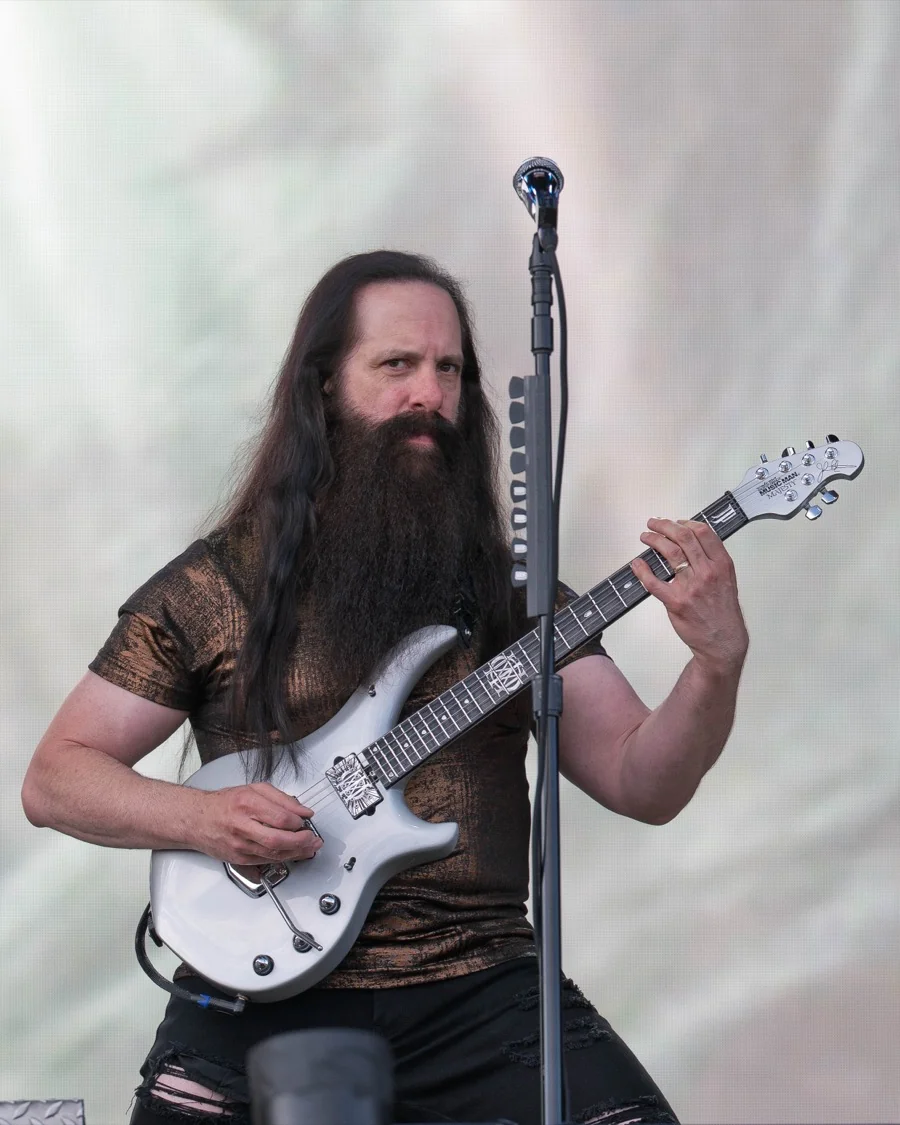
Sound Like John Petrucci
Getting John Petrucci's layered and compositionally bold sound is within reach at any budget. John Petrucci of Dream Theater is the benchmark for progressive metal guitar — combining the precision of a classical musician with the aggression of metal, switching seamlessly between pristine clean passages and brutal high-gain leads. The guides below cover the full range — from the £200 entry point to the £2,500 premium build. Compare tiers and choose the level that suits you.
Quick Answer
To sound like John Petrucci, start with a Ibanez RG421 EX into a Boss Katana 50 MkII.
Tone Analysis
John Petrucci's Guitar Tone — In Depth
Tone Philosophy
John Petrucci operates at the highest technical level of progressive metal guitar, combining compositional sophistication with technique that encompasses virtually every major electric guitar style. His approach is analytical: he has studied every element of guitar performance systematically, which accounts for the efficiency and cleanliness of his playing at extreme tempos and complexity.
The Signature Sound
The Dream Theater sound on Images and Words and Metropolis Pt. 2 is a Mesa/Boogie Dual Rectifier or Mark IV through a Mesa 4x12 cabinet, with an Ernie Ball Music Man JP or a custom Gibson signature guitar. The lead tone is warm, thick, and precisely articulate — the Dual Rectifier's specific compression and saturation character allows fast picking to remain clear even at very high gain levels.
Key Gear
His signature Ernie Ball Music Man John Petrucci 6 and 7-string models are primary. DiMarzio Liquifire and Crunch Lab pickups were designed with his input. Mesa/Boogie amplifiers are central. His live rig uses a combination of Fractal Audio Axe-FX and traditional amplifiers depending on tour context.
Playing Approach
Petrucci's picking technique is derived from his systematic study of Troy Grady's analysis of pick mechanics. His "rest stroke" approach and specific pick angle produce a particular attack clarity. His composition-oriented approach to soloing — building each solo as a musical composition rather than an improvisation — produces solos with internal structure unusual in rock guitar.
Legacy
Dream Theater's influence on progressive metal is foundational. Petrucci's technical guitar work — documented through his systematic instructional approach — has produced a generation of highly trained progressive metal guitarists.
Budget Comparison
Pick Your Budget Level
£1,000 · Pro-Level
~£994
- GuitarJackson JS22 DKA Dinky
- OverdriveJoyo Vintage Overdrive
- ModulationWalrus Audio Julia
- AmpBoss Katana 100 MkII
- DelayTC Electronic Flashback 2
- ReverbWalrus Audio Fundamental Reverb
£2,500 · Premium
~£2494
- GuitarIbanez RG550 Genesis Collection
- OverdriveIbanez TS9 Tube Screamer
- ModulationStrymon Mobius
- AmpMarshall DSL40CR
- DelayTC Electronic Flashback 2
- ReverbStrymon Flint
Shop Now
Buy the Key Gear — £500 Sweet Spot
Guitar, amp and essential effects for the authentic John Petrucci sound. The guitar and amp together account for 80% of the tone.
Complete the Rig
Essentials Every Guitarist Needs
These aren't exciting — but every rig needs them. Buy once, sorted forever.
Tone Profile
John Petrucci's Sound
Music Man JP signature guitar (high-output DiMarzio pickups) into a Mesa Boogie JP-2C head. The JP-2C is effectively a Mark V customised for Petrucci — the clean channel is crystal clear with scooped mids, the lead channel delivers liquid high gain with extraordinary note separation at speed.
Modeling Amps
Get John Petrucci's Tone on Your Modeler
Targeting Mesa/Boogie (Dual Rectifier / Mark series). Use these amp models and IRs as your starting point — dial in from there using the knob settings above.
Cali Rectifire Modern for modern heavy; Ch1 for clean/crunch
Bass at 7+, treble restrained — Mesa preamp is very active
Song Match
Which John Petrucci Songs Suit Your Amp
Tone Match
Closest Real-World Tone Match
If you like John Petrucci's tone, these players use a similar approach — same gear philosophy, comparable sound characteristics.
Weekly Tone Tips
One setting, one artist insight, one gear pick. No noise.