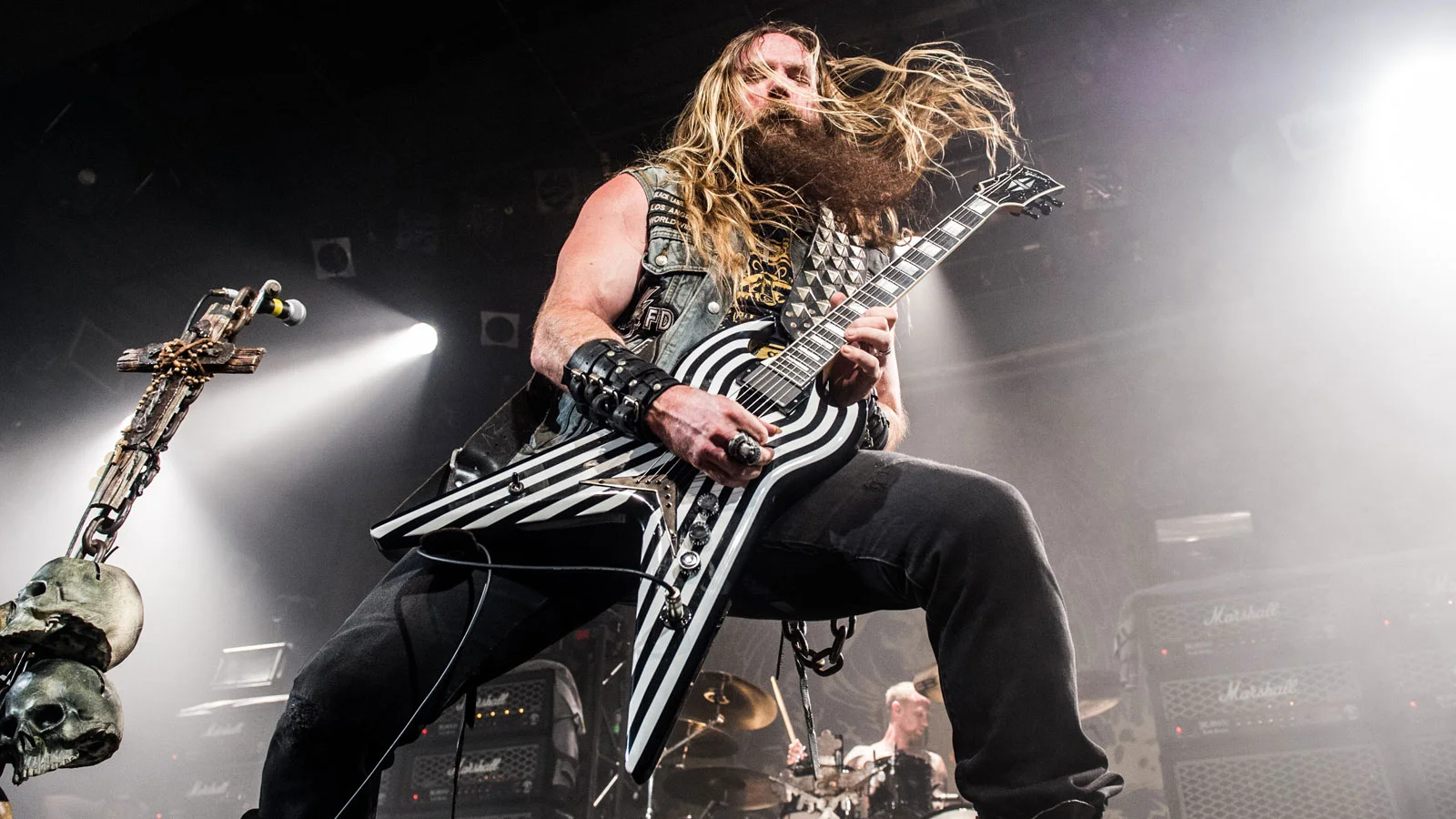
Zakk Wylde — £1,000 · Pro-Level Tone
The £1,000 · Pro-Level build for Zakk Wylde's aggressive and precise sound opens with Epiphone Les Paul Standard — the tonal foundation that defines the character. Into Marshall DSL40CR paired with Boss SD-1 Super OverDrive, the rig comes to ~£882 and delivers the essential elements. Zakk Wylde's tone is the definition of sustained, high-gain Les Paul aggression — a "bullseye" Les Paul through a Marshall JCM800 boosted by a Boss SD-1 delivers screaming pinch harmonics and infinite sustain. His berserker technique combines power and precision at extreme gain levels.
Build Zakk Wylde's £1,000 · Pro-Level Rig
3 pieces · Total ~$1,198
What guitar does Zakk Wylde use?
Zakk Wylde is primarily associated with lp style guitars. At a £1,000 budget, Epiphone Les Paul Standard delivers the essential tonal character.
What to Buy
£1,000 · Pro-Level — Complete Gear List
Can't find one? See alternatives:
Why This Rig Works
How Zakk Wylde's gear choices create the signature tone
Epiphone Les Paul Standard
The set-neck construction and ProBucker humbuckers deliver the sustain, thickness and mid-forward push of the genuine article. Bridge pickup into a crunch amp is the authentic hard rock formula.
Boss SD-1 Super OverDrive
Boss SD-1 Super OverDrive — overdrive coloring added to the signal.
Marshall DSL40CR
The Marshall DSL40CR converts the guitar signal into audible sound and adds its own tonal character — EQ shaping, natural gain, and the overall feel of the final tone.
The Combined Tone
Gibson Les Paul Custom (EMG 81/85 pickups) into a Marshall JCM800 with a Boss SD-1 Super OverDrive boosting the front end (gain low, volume high). The result is very high gain with a tight low end and compressed, harmonically saturated lead tone. Pinch harmonics pop out naturally at these gain levels.
Tone Tips
Getting the Sound Right
- The Marshall DSL40CR delivers power-tube saturation at master volume 6–7 — this compression and sag is what separates amp-driven tone from pedal tone. Set the master first, then dial back the channel gain to taste rather than the other way around.
- Boss SD-1 before the amp: gain at 9 o'clock (low), level boosted — push the amp, not add dirt
- Pinch harmonics: pick edge digs into the string, thumb immediately mutes it slightly
- Pentatonic scale in 12th position is Zakk's home — learn the "boxes" at higher frets
- Wah pedal parked at heel position adds a dark, mid-scoop to rhythm parts
- Vibrato is wide and fast — practise sustained notes with aggressive finger vibrato
- Palm muting with varying pressure creates the rhythmic pulse in the heavy riff parts
Avoid These Pitfalls
Common Mistakes When Chasing This Tone
- Not using a gate on the JCM800's high-gain channel — self-noise at this gain level is continuous and audible between notes. A noise gate is not a style choice; it is functional equipment for this gain level
- Ignoring the active pickup battery — a dying 9V battery in an active pickup system produces distortion artifacts before going completely silent. Replace every 3-4 months of regular use, before any recording session
- Skipping the Tube Screamer-style boost — this pedal before the amp's high-gain channel is not optional for many players. It tightens the low end, not adds gain. Gain on the pedal at 0.
- Moving the wah too fast — wah is a filter effect that needs time to sweep through its range musically. Fast rocking produces a quacking sound; musical use is slower and more deliberate.
- Setting gain too high on the overdrive pedal — most overdrive pedals are most useful at gain settings of 2-5, where they add character without dominating the tone. High gain settings on an OD pedal become a distortion, not an overdrive.
Budget Alternatives
Same Tone, Different Budget
FAQ
Zakk Wylde Tone — Common Questions
Zakk Wylde is primarily associated with lp style guitars. At a £1,000 budget, Epiphone Les Paul Standard delivers the essential tonal character.
Zakk Wylde's amp is british crunch voiced — high-gain with significant distortion from the amp itself. At the £1,000 level, Marshall DSL40CR is the closest match.
The £1,000 tier adds noticeably better build quality and tonal nuance over the £500 rig. This build totals £943 with Epiphone Les Paul Standard, Marshall DSL40CR, 1 effect. This is the tier where the tone becomes genuinely convincing for gigging and recording.
Zakk Wylde's essential pedals include Wah, Overdrive, EQ. At the £1,000 tier: Boss SD-1 Super OverDrive. Wah is the most important pedal — the others add nuance.
Zakk Wylde's tone is defined by pinch-harmonic, thick-humbucker, aggressive. The combination of lp guitar and british crunch amp creates a sound that is immediately recognisable.
Zakk Wylde's gain approach is high-gain — dedicated high-gain amp channels or heavy drive pedals with significant distortion. At £1,000, this is replicated through Marshall DSL40CR paired with Boss SD-1 Super OverDrive.
Zakk Wylde — £1,000 · Pro-Level Complete Rig
~£882Guitar
Epiphone Les Paul Standard
Amp
Marshall DSL40CR
Overdrive
Boss SD-1 Super OverDrive
Tone Match
Closest Real-World Tone Match
If you like Zakk Wylde's tone, these players use a similar approach — same gear philosophy, comparable sound characteristics.
Related Tones