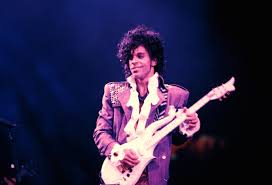
Prince — £1,000 · Pro-Level Tone
At £1,000 · Pro-Level, Prince's rhythmic and deeply groovy tone is more accessible than most players expect. Rooted in a defining era for electric guitar, their sound — Prince is the most complete guitar player in pop music history — rhythm, lead, funk, blues and rock all coexisted in his playing with equal mastery. His custom Cloud guitar through a clean-to-dirty amp, with a wah pedal as a rhythmic tool, created tones from funk-clean precision to explosive rock lead. — starts with Squier Classic Vibe 60s Telecaster and Fender Blues Junior IV, totalling ~£996. That combination captures the defining characteristics without the premium price tag.
Build Prince's £1,000 · Pro-Level Rig
4 pieces · Total ~£996
What guitar does Prince use?
Prince is primarily associated with tele style guitars. At a £1,000 budget, Squier Classic Vibe 60s Telecaster delivers the essential tonal character.
What to Buy
£1,000 · Pro-Level — Complete Gear List
Why This Rig Works
How Prince's gear choices create the signature tone
Squier Classic Vibe 60s Telecaster
The alnico V bridge pickup delivers genuine Telecaster cut and brightness without harshness. Knopfler's fingerstyle neck-pickup sound, country chicken-pickin' and crisp blues-rock rhythm all live here.
- WahVox V847 Wah
- OverdriveFulltone OCD Overdrive
Fender Blues Junior IV
This is where the magic happens for Mayer and SRV tones. The EL84 power section breaks up beautifully when pushed, and the bright, clean headroom is exactly what Tube Screamer boost tones are built on.
The Combined Tone
Custom Cloud guitar or Hohner Telecaster-style through a variety of amps (Mesa Boogie, Fender, custom rigs). Clean funk tone uses high treble and a wah held in position as a filter; hard rock tone (live) is hotter and more aggressive. Prince's dynamic range was enormous — from whisper-quiet funk comping to screaming arena rock solos in the same song.
Tone Tips
Getting the Sound Right
- Wah parked at varying positions acts as an EQ filter on funk comping — not a sweep effect
- Muted 16th-note funk strumming: dead strings on even 16ths, ring out on rhythmic hits
- Clean Strat or Tele-style pickup for funk: bridge or middle, treble up, bass down
- Hard rock lead tone: switch to neck or middle humbucker equivalent, turn up amp gain
- Prince's vibrato is fast and narrow for sustained leads — less wide than blues players
- Learn both funk rhythm (16th-note muting) and pentatonic lead playing — he switches mid-song
- Thumb-over-neck technique for the low E string adds a warm, rounded bass note tone
- Dynamics: Prince went from almost inaudible to full-volume screaming within single bars
Avoid These Pitfalls
Common Mistakes When Chasing This Tone
- Stacking a second overdrive after the TS9 with single coils — the combined mid emphasis of two stacked ODs into single-coil pickups produces a congested, nasal sound that struggles to sit in a mix
- Running the Deluxe Reverb's gain channel at maximum — above 8 on most high-gain channels, palm mutes lose note separation and become an indistinct wall. The target is the minimum gain for the target saturation, not maximum
- Using a heavy pick with chicken-picking technique — hybrid picking (pick and fingers) on a Tele requires the pick to be thin enough not to interfere with the finger attack.
- Adding a high-gain distortion pedal to a Fender clean amp — the character of Fender tone is the headroom and sparkle. A high-gain pedal into a Fender sounds like a wrong-matched combination.
- Clean amp at too low a volume — even a clean amp provides warmth and tonal character that the pedal sits in. An amp at minimum volume has no character for the pedal to interact with.
- Setting gain too high on the overdrive pedal — most overdrive pedals are most useful at gain settings of 2-5, where they add character without dominating the tone. High gain settings on an OD pedal become a distortion, not an overdrive.
- Leaving the wah in a fixed position (cocked) between uses — a cocked wah acts as a midrange filter and changes the tone. If not using the wah expressively, take it out of the chain.
- Using a high-gain distortion pedal into a clean amp — classic rock tone is amp saturation, not pedal clipping. The harmonic content and feel are completely different.
Budget Alternatives
Same Tone, Different Budget
FAQ
Prince Tone — Common Questions
Prince is primarily associated with tele style guitars. At a £1,000 budget, Squier Classic Vibe 60s Telecaster delivers the essential tonal character.
Prince's amp is clean fender voiced — clean to moderate gain. At the £1,000 level, Fender Blues Junior IV is the closest match.
The £1,000 tier adds noticeably better build quality and tonal nuance over the £500 rig. This build totals £996 with Squier Classic Vibe 60s Telecaster, Fender Blues Junior IV, 2 effects. This is the tier where the tone becomes genuinely convincing for gigging and recording.
Prince's essential pedals include Overdrive, Wah. At the £1,000 tier: Vox V847 Wah, Fulltone OCD Overdrive. Overdrive is the most important pedal — the others add nuance.
Prince's tone is defined by funk-precision, cloud-guitar, purple-rain. The combination of tele guitar and clean fender amp creates a sound that is immediately recognisable.
Prince's gain approach is pedal-driven — distortion pedals into a relatively clean amp. The pedal defines the distortion character. At £1,000, this is replicated through Fender Blues Junior IV paired with Vox V847 Wah.
Prince — £1,000 · Pro-Level Complete Rig
~£996Guitar
Squier Classic Vibe 60s Telecaster
Wah
Vox V847 Wah
Overdrive
Fulltone OCD Overdrive
Amp
Fender Blues Junior IV
Tone Match
Closest Real-World Tone Match
If you like Prince's tone, these players use a similar approach — same gear philosophy, comparable sound characteristics.
Related Tones