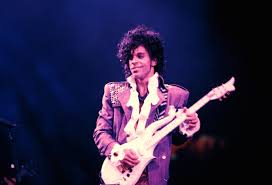
Prince — £500 · Sweet Spot Tone
At £500 · Sweet Spot, Prince's rhythmic and deeply groovy tone is more accessible than most players expect. Rooted in a defining era for electric guitar, their sound — Prince is the most complete guitar player in pop music history — rhythm, lead, funk, blues and rock all coexisted in his playing with equal mastery. His custom Cloud guitar through a clean-to-dirty amp, with a wah pedal as a rhythmic tool, created tones from funk-clean precision to explosive rock lead. — starts with Squier Classic Vibe 60s Telecaster and Boss Katana 50 MkII, totalling ~£497. That combination captures the defining characteristics without the premium price tag.
Build Prince's £500 · Sweet Spot Rig
3 pieces · Total ~£497
What guitar does Prince use?
Prince is primarily associated with tele style guitars. At a £500 budget, Squier Classic Vibe 60s Telecaster delivers the essential tonal character.
What to Buy
£500 · Sweet Spot — Complete Gear List
Why This Rig Works
How Prince's gear choices create the signature tone
Squier Classic Vibe 60s Telecaster
The alnico V bridge pickup delivers genuine Telecaster cut and brightness without harshness. Knopfler's fingerstyle neck-pickup sound, country chicken-pickin' and crisp blues-rock rhythm all live here.
Boss SD-1 Super Overdrive
Boss SD-1 Super Overdrive — overdrive coloring added to the signal.
Boss Katana 50 MkII
Its 'Brown' amp character at low gain is an excellent approximation of the Fender-style clarity that Hendrix, Mayer, Gilmour and SRV all relied on. Built-in effects mean you're a few knob turns away from the right tone.
The Combined Tone
Custom Cloud guitar or Hohner Telecaster-style through a variety of amps (Mesa Boogie, Fender, custom rigs). Clean funk tone uses high treble and a wah held in position as a filter; hard rock tone (live) is hotter and more aggressive. Prince's dynamic range was enormous — from whisper-quiet funk comping to screaming arena rock solos in the same song.
Tone Tips
Getting the Sound Right
- Wah parked at varying positions acts as an EQ filter on funk comping — not a sweep effect
- Muted 16th-note funk strumming: dead strings on even 16ths, ring out on rhythmic hits
- Clean Strat or Tele-style pickup for funk: bridge or middle, treble up, bass down
- Hard rock lead tone: switch to neck or middle humbucker equivalent, turn up amp gain
- Prince's vibrato is fast and narrow for sustained leads — less wide than blues players
- Learn both funk rhythm (16th-note muting) and pentatonic lead playing — he switches mid-song
- Thumb-over-neck technique for the low E string adds a warm, rounded bass note tone
- Dynamics: Prince went from almost inaudible to full-volume screaming within single bars
Avoid These Pitfalls
Common Mistakes When Chasing This Tone
- Stacking a second overdrive after the TS9 with single coils — the combined mid emphasis of two stacked ODs into single-coil pickups produces a congested, nasal sound that struggles to sit in a mix
- Running the Deluxe Reverb's gain channel at maximum — above 8 on most high-gain channels, palm mutes lose note separation and become an indistinct wall. The target is the minimum gain for the target saturation, not maximum
- Using a heavy pick with chicken-picking technique — hybrid picking (pick and fingers) on a Tele requires the pick to be thin enough not to interfere with the finger attack.
- Adding a high-gain distortion pedal to a Fender clean amp — the character of Fender tone is the headroom and sparkle. A high-gain pedal into a Fender sounds like a wrong-matched combination.
- Clean amp at too low a volume — even a clean amp provides warmth and tonal character that the pedal sits in. An amp at minimum volume has no character for the pedal to interact with.
- Setting gain too high on the overdrive pedal — most overdrive pedals are most useful at gain settings of 2-5, where they add character without dominating the tone. High gain settings on an OD pedal become a distortion, not an overdrive.
- Leaving the wah in a fixed position (cocked) between uses — a cocked wah acts as a midrange filter and changes the tone. If not using the wah expressively, take it out of the chain.
- Using a high-gain distortion pedal into a clean amp — classic rock tone is amp saturation, not pedal clipping. The harmonic content and feel are completely different.
Budget Alternatives
Same Tone, Different Budget
FAQ
Prince Tone — Common Questions
Prince is primarily associated with tele style guitars. At a £500 budget, Squier Classic Vibe 60s Telecaster delivers the essential tonal character.
Prince's amp is clean fender voiced — clean to moderate gain. At the £500 level, Boss Katana 50 MkII is the closest match.
Yes — £500 covers a real guitar and amp in the right tonal family. This rig totals £497 and captures the essential character. The guitar and amp account for 80% of the tone; pedals are secondary at this budget.
Prince's essential pedals include Overdrive, Wah. At the £500 tier: Boss SD-1 Super Overdrive. Overdrive is the most important pedal — the others add nuance.
Prince's tone is defined by funk-precision, cloud-guitar, purple-rain. The combination of tele guitar and clean fender amp creates a sound that is immediately recognisable.
Prince's gain approach is pedal-driven — distortion pedals into a relatively clean amp. The pedal defines the distortion character. At £500, this is replicated through Boss Katana 50 MkII paired with Boss SD-1 Super Overdrive.
Prince — £500 · Sweet Spot Complete Rig
~£497Guitar
Squier Classic Vibe 60s Telecaster
Overdrive
Boss SD-1 Super Overdrive
Amp
Boss Katana 50 MkII
Tone Match
Closest Real-World Tone Match
If you like Prince's tone, these players use a similar approach — same gear philosophy, comparable sound characteristics.
Related Tones