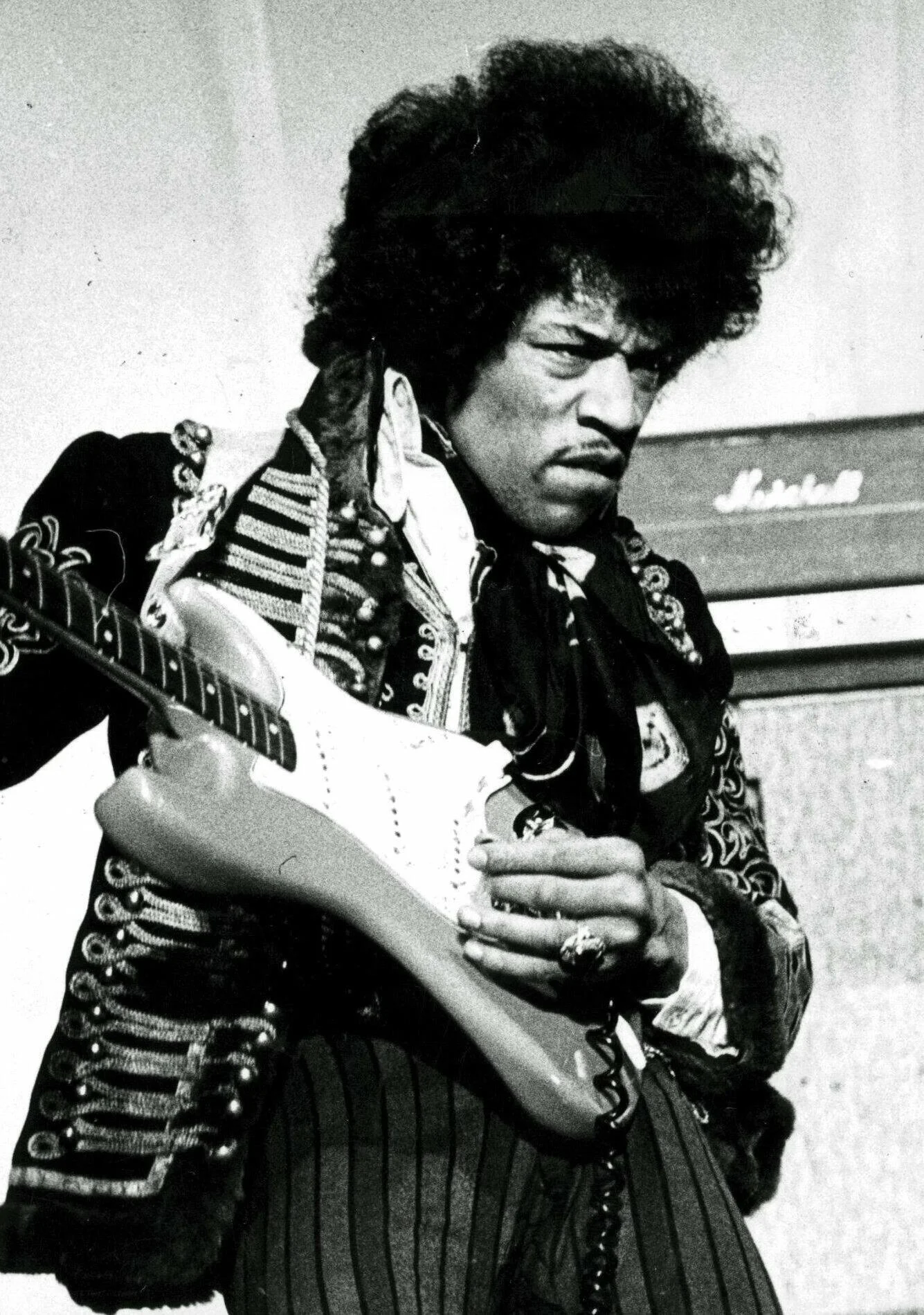
Jimi Hendrix — £500 · Sweet Spot Tone
Jimi Hendrix's powerful and driving tone took shape during the golden age of electric guitar innovation and remains one of the most sought-after sounds on guitar. Jimi Hendrix revolutionised the electric guitar with raw feedback, expressive wah, and psychedelic fuzz. His right-handed Stratocaster played upside down became one of the most iconic images in music. At the £500 · Sweet Spot mark — the sweet spot — enough to get genuinely close to the sound without breaking the bank — the build centres on a Squier Classic Vibe 60s Stratocaster running through a Boss Katana 50 MkII, totalling ~£448.
Build Jimi Hendrix's £500 · Sweet Spot Rig
2 pieces · Total ~$569
What guitar does Hendrix use?
Hendrix is primarily associated with strat style guitars. At a £500 budget, Squier Classic Vibe 60s Stratocaster delivers the essential tonal character.
What to Buy
£500 · Sweet Spot — Complete Gear List
Why This Rig Works
How Jimi Hendrix's gear choices create the signature tone
Squier Classic Vibe 60s Stratocaster
The alnico V pickups are the real deal — they deliver genuine Strat chime, quack and warmth that responds naturally to pick attack. An ideal foundation for Hendrix, Mayer, Gilmour or SRV tones.
Boss Katana 50 MkII
Its 'Brown' amp character at low gain is an excellent approximation of the Fender-style clarity that Hendrix, Mayer, Gilmour and SRV all relied on. Built-in effects mean you're a few knob turns away from the right tone.
The Combined Tone
Bright, singing Strat neck pickup into a cranked Marshall Plexi — thick fuzz, expressive wah swells, controlled feedback and vibrato arm dives. The key is amp volume: Hendrix ran his amps loud enough to sustain naturally.
Tone Tips
Getting the Sound Right
- On the Boss Katana 50 MkII: use the Brown channel — the closest model to a Marshall-voiced preamp at this price. Set character to 8, gain to 5. For Hendrix's lead volume jump, use the Boost mode rather than adding a separate boost pedal.
- Use the neck pickup — Hendrix rarely used the bridge
- Turn the amp up until the preamp starts to break up
- Roll your picking attack for dynamic control through the fuzz
- Use the wah slowly and expressively, not as a fast filter
- Engage vibrato arm for subtle warbles, not dive bombs
- Rolling back the guitar's volume knob to 6-7 on a Fuzz Face dramatically changes the tone from full-fuzz to almost-clean — this is a continuous control, not a switch. Explore the full range before reaching for any other settings
- Wah before the Fuzz Face: the wah filters the signal before the fuzz clips it, giving a more expressive, vowel-like quality as the wah sweeps. This was Hendrix's approach — the fuzz sounds musical at all wah positions
Avoid These Pitfalls
Common Mistakes When Chasing This Tone
- Placing a tuner or buffered pedal before the Fuzz Face — most fuzz circuits (especially germanium ones) are sensitive to the impedance of the signal feeding them. A buffered pedal before the fuzz changes how the guitar volume knob responds. Run fuzz first in the chain
- Using a humbucker guitar as a substitute — the quack, string noise, and bright attack of single coils are irreplaceable. No amount of EQ on a humbucker produces the same result.
- Using a distortion pedal instead of pushing the amp — vintage-voiced amps create better overdrive by being pushed hard than by a pedal circuit. Let the amp do the work.
- Using too much gain on the drive pedal — pedal-driven tone works best with the amp providing some character and the pedal adding focus and saturation, not replacing the amp entirely.
- Putting fuzz after other pedals (especially wah or overdrive) — most fuzz circuits are sensitive to input impedance. Wah before fuzz is fine; overdrive into fuzz creates unpredictable gating.
Budget Alternatives
Same Tone, Different Budget
FAQ
Jimi Hendrix Tone — Common Questions
Hendrix is primarily associated with strat style guitars. At a £500 budget, Squier Classic Vibe 60s Stratocaster delivers the essential tonal character.
Hendrix's amp is vintage blues voiced — clean to moderate gain. At the £500 level, Boss Katana 50 MkII is the closest match.
Yes — £500 covers a real guitar and amp in the right tonal family. This rig totals £448 and captures the essential character. The guitar and amp account for 80% of the tone; pedals are secondary at this budget.
Hendrix's tone is defined by feedback, wah-driven, vintage-fuzz. The combination of strat guitar and vintage blues amp creates a sound that is immediately recognisable.
Hendrix's gain approach is pedal-driven — distortion pedals into a relatively clean amp. The pedal defines the distortion character. At £500, this is replicated through Boss Katana 50 MkII.
Jimi Hendrix — £500 · Sweet Spot Complete Rig
~£448Guitar
Squier Classic Vibe 60s Stratocaster
Amp
Boss Katana 50 MkII
Tone Match
Closest Real-World Tone Match
If you like Jimi Hendrix's tone, these players use a similar approach — same gear philosophy, comparable sound characteristics.
Related Tones