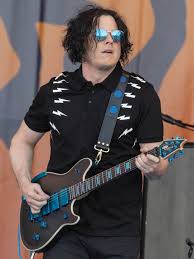
Jack White — £1,000 · Pro-Level Tone
The £1,000 · Pro-Level build for Jack White's raw and emotionally charged sound opens with Epiphone Les Paul Special — the tonal foundation that defines the character. Into Marshall DSL20CR paired with Wampler Dracarys and Electro-Harmonix Op-Amp Big Muff, the rig comes to ~£986 and delivers the essential elements. Jack White built the White Stripes' entire sound from deliberately limited, cheap equipment. His raw, confrontational tone proved that restriction creates creativity — a beaten-up Airline guitar through a detuned Silvertone amp, with an octave fuzz pushing the frequency extremes.
Build Jack White's £1,000 · Pro-Level Rig
4 pieces · Total ~£986
What guitar does Jack White use?
Jack White is primarily associated with lp style guitars. At a £1,000 budget, Epiphone Les Paul Special delivers the essential tonal character.
What to Buy
£1,000 · Pro-Level — Complete Gear List
Why This Rig Works
How Jack White's gear choices create the signature tone
Epiphone Les Paul Special
The 650R/700T humbucker pair gives instant Les Paul darkness and warmth. They nail the aggressive, mid-forward crunch that hard rock is built on.
- DistortionWampler Dracarys
- FuzzElectro-Harmonix Op-Amp Big Muff
Marshall DSL20CR
The DSL's crunch channel captures the classic JCM800-era Marshall sound that Slash and Frusciante are built on. At 20 watts you can push the power amp hard enough to get natural tube saturation without needing ear protection.
The Combined Tone
Airline or Kay archtop through a Silvertone or Fender Super-Sonic, often with a DigiTech Whammy set to an octave above and an EHX Big Muff for fuzz sustain. The detuned strings and overdriven amp interact chaotically — the "wrong" sounds are intentional. White often plays in open A tuning.
Tone Tips
Getting the Sound Right
- Restriction is the creative tool — choose ONE amp and ONE guitar and commit
- Open A tuning (EAEAC#E) is White's standard — power chords become one-finger barres
- DigiTech Whammy on octave up blurs the line between guitar and bass in a two-piece band
- Big Muff gain at 9–10 for maximum sustain; tone at 6 to keep mid presence
- Slide on open A for the Delta-blues reference that runs throughout White Stripes material
- Cheap guitars often have higher action — embrace the physical resistance, it affects attack
- Detuned strings (Eb or open) give the looseness and saggy feel in the low notes
- Keep the amp slightly on the verge of feedback — threatening the edge is part of the sound
Avoid These Pitfalls
Common Mistakes When Chasing This Tone
- Scooping mids on the Marshall DSL with humbuckers — the mid-forward character of British amps with humbuckers is the central sound of classic rock. A mid scoop removes the fundamental voice of the combination
- Placing a tuner or buffered pedal before the Big Muff — most fuzz circuits (especially germanium ones) are sensitive to the impedance of the signal feeding them. A buffered pedal before the fuzz changes how the guitar volume knob responds. Run fuzz first in the chain
- Expecting a Les Paul to sound like a Strat with EQ adjustments — the mahogany body, set neck, and humbuckers produce a fundamentally different character that cannot be EQ'd away.
- Using a high-gain distortion pedal instead of amp gain — British crunch amps have a specific harmonic character when driven from their own gain stage. A pedal changes this character.
- Clean amp at too low a volume — even a clean amp provides warmth and tonal character that the pedal sits in. An amp at minimum volume has no character for the pedal to interact with.
- Expecting consistent performance from a germanium fuzz in cold conditions — germanium transistors are temperature sensitive. The bias point shifts significantly in cold weather.
- Adding a compressor before the amp "for more tone" — it kills the natural attack variation that defines the style. Blues tone is uncompressed and dynamic.
- Playing at bedroom volume and expecting full blues tone — tube amps need to push air to bloom correctly. A cold amp at low volume sounds flat and lifeless.
Budget Alternatives
Same Tone, Different Budget
FAQ
Jack White Tone — Common Questions
Jack White is primarily associated with lp style guitars. At a £1,000 budget, Epiphone Les Paul Special delivers the essential tonal character.
Jack White's amp is british crunch voiced — clean to moderate gain. At the £1,000 level, Marshall DSL20CR is the closest match.
The £1,000 tier adds noticeably better build quality and tonal nuance over the £500 rig. This build totals £986 with Epiphone Les Paul Special, Marshall DSL20CR, 2 effects. This is the tier where the tone becomes genuinely convincing for gigging and recording.
Jack White's essential pedals include Distortion, Fuzz. At the £1,000 tier: Wampler Dracarys, Electro-Harmonix Op-Amp Big Muff. Distortion is the most important pedal — the others add nuance.
Jack White's tone is defined by raw, primal, lo-fi. The combination of lp guitar and british crunch amp creates a sound that is immediately recognisable.
Jack White's gain approach is pedal-driven — distortion pedals into a relatively clean amp. The pedal defines the distortion character. At £1,000, this is replicated through Marshall DSL20CR paired with Wampler Dracarys.
Jack White — £1,000 · Pro-Level Complete Rig
~£986Guitar
Epiphone Les Paul Special
Distortion
Wampler Dracarys
Fuzz
Electro-Harmonix Op-Amp Big Muff
Amp
Marshall DSL20CR
Tone Match
Closest Real-World Tone Match
If you like Jack White's tone, these players use a similar approach — same gear philosophy, comparable sound characteristics.
Related Tones