Rig Builder
Budget Rig Breakdown
Signal Chain
GuitarEpiphone SG
AmpKatana 50
ReverbElectro-Harmonix Holy

££ Mid-Range$316
£ Budget$189

Technique
Key Tone Tips
- Open E tuning: EBEG#BE — the same voicings as open D but a whole step higher
- Glass slide (Coricidin bottle): heavier glass gives more sustain and warmth than metal
- Slide position directly over the fret (not behind it) for accurate intonation
- Fret-hand muting: press lightly behind the slide with two fingers to kill string noise
- Amp reverb set low — the room naturally adds depth, heavy reverb muddles slide
- Neck pickup for thick, round slide tones; bridge for cutting, bright lines
- Vibrato from the slide: roll the bottle slightly back and forth after landing on the note
- Duane's slide work was influenced by Delta blues (Robert Johnson) and gospel — slow phrases
- Study "Layla" slide coda and "Little Martha" for the contrast of technique and emotion
Background
About Duane Allman's Sound
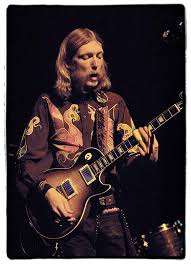
Duane Allman's slide guitar playing is the definitive expression of Southern blues — a Coricidin bottle on his ring finger in open E tuning, a Gibson ES-335 or Les Paul, and a Fender amp delivering smooth, vocal lines that seemed to breathe with their own life. His recording of "Layla" with Eric Clapton remains one of the greatest tone moments in rock history.