Song Rig
Sen-Sa-Shun
Freddie King · Let's Hide Away and Dance Away · 1961
Tone Overview
What Makes This Sound Unique
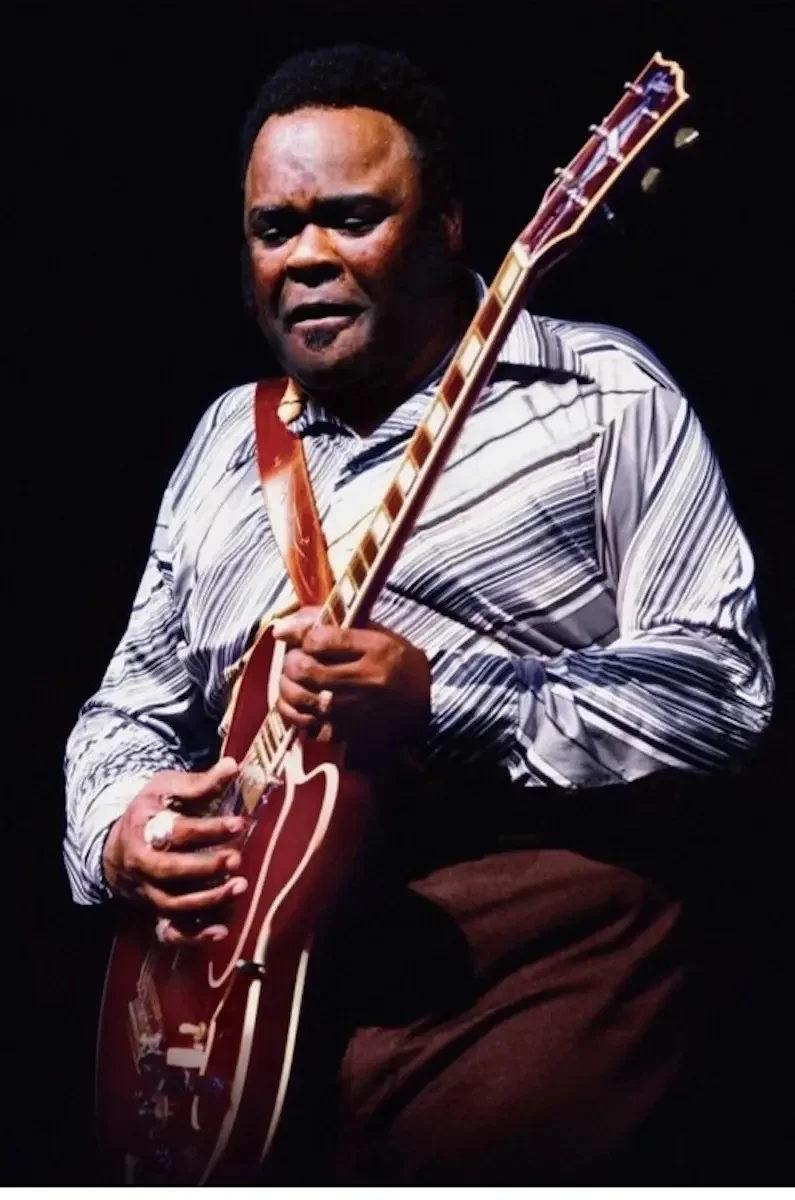
Freddie King's second most famous instrumental (after Hideaway) — a slightly slower, more melodic track from the same 1961 session. The tone has more warmth than the uptempo shuffle tracks, showing the Les Paul goldtop's ability to produce a singing, sustained quality at moderate gain.
Signal Chain
- 1Gibson Les Paul Goldtop (P90s, neck pickup blend)
- 2Gibson GA-40
- 3Metal fingerpick technique
Amp Settings
Slightly warmer than I Love the Woman — the neck pickup provides a rounder tone for the more melodic phrases in Sen-Sa-Shun. The slower tempo allows more sustain on individual notes.
Technique
How to Play It
Melodic single-note blues with vibrato — the slower tempo of Sen-Sa-Shun gives Freddie King room to demonstrate his expressive vibrato, a wide, arm-based movement that sustains notes longer than simple wrist vibrato.
Budget Alternative
Achievable With
Les Paul with P90s or PAFs → Gibson-style amp (or Fender at medium settings) → metal fingerpick → practice wide, arm-based vibrato: the vibrato motion comes from the elbow rotating rather than the wrist alone.
Your Gear
Adapt to My Amp
More from Freddie King
Other Song Rigs
Hide Away
Freddie King Sings · 1961
The most influential blues instrumental of the early 1960s — covered by John May…
View rig →Have You Ever Loved a Woman
Let's Hide Away and Dance Away · 1961
Slow blues majesty — Freddie King at his most emotionally powerful. The slow 12/…
View rig →Going Down
Getting Ready · 1971
Freddie King's signature riff-based hard blues — Going Down was covered by Gary …
View rig →I Love the Woman
Let's Hide Away and Dance Away · 1961
A fast Chicago blues shuffle — the Fed King tone uses his Les Paul goldtop into …
View rig →Same Old Blues
Burglar · 1974
Late-career Freddie King with Leon Russell producing — the 1974 tone is heavier …
View rig →