Thrash MetalHeavy Metal1980s–present
Dave Mustaine — £1,000 · Pro-Level Rig
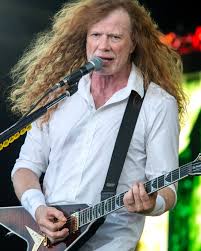
Jackson Flying V or Dean VMNT (active EMG pickups) into a Krank Krankenstein or Marshall JCM900. Very high gain on the rhythm side, with a tight, controlled low end. Lead tone is smooth and singing — the aggression comes from rhythmic precision and picking attack, not just gain.
Signal Path
Signal Chain
Full signal path
GuitarJackson JS32
Noise GateBoss NS-2
AmpMarshall DSL40CR
Full Gear List
£1,000 · Pro-Level — Complete Rig

££ Mid-Range$443

£££ Pro-Level$634

Tone Tips
Getting the Sound Right
- Downpicking at speed is the core technique — practise slowly with a metronome
- Palm muting with varying pressure creates the rhythmic pulse in thrash riffs
- Alternate picking for fast runs; strict downstrokes for the power riff sections
- Very high gain but controlled low end — a noise gate is essential to tighten the sound
- Amp EQ: bass 5, mid 6, treble 7, presence 7 — brighter than Sabbath, cuts through the mix
- Polyrhythmic riffs: Megadeth tracks often have riffs in 7/8 or against odd groupings
- Lead tone: same gain as rhythm, but move to the neck pickup for a smoother quality
- Pick very close to the bridge for extra bite and articulation on fast runs
Avoid These Pitfalls
Common Mistakes When Chasing This Tone
- Not using a gate on the Marshall DSL's high-gain channel — self-noise at this gain level is continuous and audible between notes. A noise gate is not a style choice; it is functional equipment for this gain level
- Not exploring the Marshall DSL alone before adding pedals — a Les Paul or humbucker guitar into a British amp is already a near-complete overdrive system. Adding drive pedals on top is often unnecessary and muddies the amp's natural character
- Neglecting to adjust a floating bridge when changing string gauges or tuning — a Floyd Rose or floating bridge requires re-balancing the spring tension any time the string setup changes.
- Running amp gain at 10 — above 8 on most high-gain channels, the signal becomes a compressed, indistinct wall. Moderate-high gain with a boost pedal in front gives better results.
- Skipping the Tube Screamer-style boost — this pedal before the amp's high-gain channel is not optional for many players. It tightens the low end, not adds gain. Gain on the pedal at 0.
- Using too much gain — clarity at speed requires that individual palm mutes are audible. Maximum gain creates a compressed wall that sounds powerful but loses all rhythmic precision.
- Scooped mid EQ — no guitar tone cuts through a thrash band with scooped mids. Mesa Rectifier tones at band volume are more mid-present than they appear in isolation.
Tone Profile
Dave Mustaine's Sound
Jackson Flying V or Dean VMNT (active EMG pickups) into a Krank Krankenstein or Marshall JCM900. Very high gain on the rhythm side, with a tight, controlled low end. Lead tone is smooth and singing — the aggression comes from rhythmic precision and picking attack, not just gain.