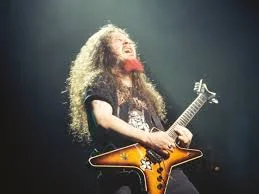
Dimebag Darrell Pedalboard
Full effects breakdown — core pedals, signal chain order, and budget alternatives
Dimebag Darrell's signal chain centres on 3 essential effects: Wah (Dunlop Dimebag Signature Wah), EQ, Delay. The resulting sound: Dean ML or Diamond Darrell signature guitar into a Randall RG100 ES solid-state amp — not a tube amp. The wah is a variable bandpass filter — sweeping it mid-phrase creates the vocal, talking quality that defines this playing style. The musical use is slow and deliberate, not fast rocking. The Dunlop Dimebag Signature Wah is used as an expressive, slow filter rather than a rhythmic chopper — the sweep speed and depth define the character of the wah sound. A cocked (stationary) wah position also works as a fixed midrange peak for a vocal tone without movement.
Essential Pedals
These effects are non-negotiable for Dimebag Darrell's tone. Skip any one and the signature sound is lost.
Optional / Contextual Effects
Dimebag Darrell uses these situationally — great to have but not required for the core sound.
£1,000 Pedalboard Breakdown
Specific gear recommendations at the £1,000 budget tier.
Pedalboard at Every Budget
The effects chain scales with budget — budget tiers keep the essential categories intact with less expensive alternatives.
- WahWilson Effects MkII Wah
- BoostXotic EP Booster
- EQEmpress ParaEQ
- DelayWalrus Audio Fundamental Delay
Signal Chain Order
Delay last in the chain (or in the effects loop) ensures the repeats are clean reproductions of the effected signal. Running delay before drive would create driven, distorted repeats that accumulate into an indistinct wall.
- Guitar
- Wah (before dirt for classic wah-wah sound)
- Delay (after modulation, before reverb)
- Amp
Related Gear
Similar Guitarists
Head-to-Head Comparisons
FAQ
Dimebag Darrell Pedalboard — Common Questions
Dimebag Darrell's pedalboard includes: Wilson Effects MkII Wah, Boss EQ-200 Graphic EQ. The core effects in Dimebag Darrell's sound are Wah, EQ, Delay.
The standard signal chain for Dimebag Darrell's pedalboard follows the professional convention: guitar → tuner → wah (if used) → compression → overdrive/distortion → amp → modulation (chorus/flanger) → delay → reverb. Delay last in the chain (or in the effects loop) ensures the repeats are clean reproductions of the effected signal. Running delay before drive would create driven, distorted repeats that accumulate into an indistinct wall.
Dimebag Darrell typically uses a transparent overdrive or boost to push the amp's front end rather than relying on a dedicated distortion pedal.
Building a Dimebag Darrell-style pedalboard depends on budget. At £200 you can cover the essentials (~£298 for the full rig). At £500 the pedalboard includes . At £1,000 (full rig: ~£996) all the key pedals are covered.
Dimebag Darrell's delay is handled by a dedicated delay pedal placed at the end of the signal chain (or in the amp's effects loop). Common choices include the Boss DD series, TC Electronic Flashback, or MXR Carbon Copy.