Rig Builder
Budget Rig Breakdown
Signal Chain
GuitarLP Std
ODJoyo Vintage
AmpKatana 50
££ Mid-Range$418

£ Budget$37

Technique
Key Tone Tips
- Talk box: shape vowels slowly as the guitar holds a note — "wah", "oo-ah" for the iconic effect
- Les Paul neck pickup for the smooth, thick sustained tones on Hotel California-style playing
- Marshall at medium gain — Walsh's tone is warm saturation, not aggressive crunch
- Vibrato is medium speed and width — more BB King than Hendrix in its measured quality
- Acoustic fingerpicking: Hotel California intro uses thumb + 3 fingers, alternating bass pattern
- Pentatonic scale with tasteful chromatic passing tones gives his solos a jazz-blues quality
- Space is key — Walsh leaves breathing room that most rock guitarists fill with notes
- Double-stop bends (2 strings at once) are a recurring signature in his rhythm fills
- Study "Life's Been Good" and "Rocky Mountain Way" for the two defining Joe Walsh tones
Background
About Joe Walsh's Sound
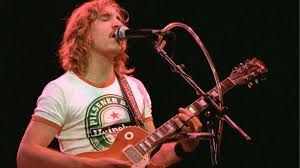
Joe Walsh created some of rock's most instantly recognisable guitar tones — the smooth, sustained Les Paul into a Marshall sound on "Life's Been Good", the talk box on "Rocky Mountain Way" and the clean fingerpicked intro to "Hotel California" all demonstrate a player with extraordinary range and a flair for the iconic moment.