Song Rig
Little Buttercup
Mike Stern · Upside Downside · 1986
Tone Overview
What Makes This Sound Unique
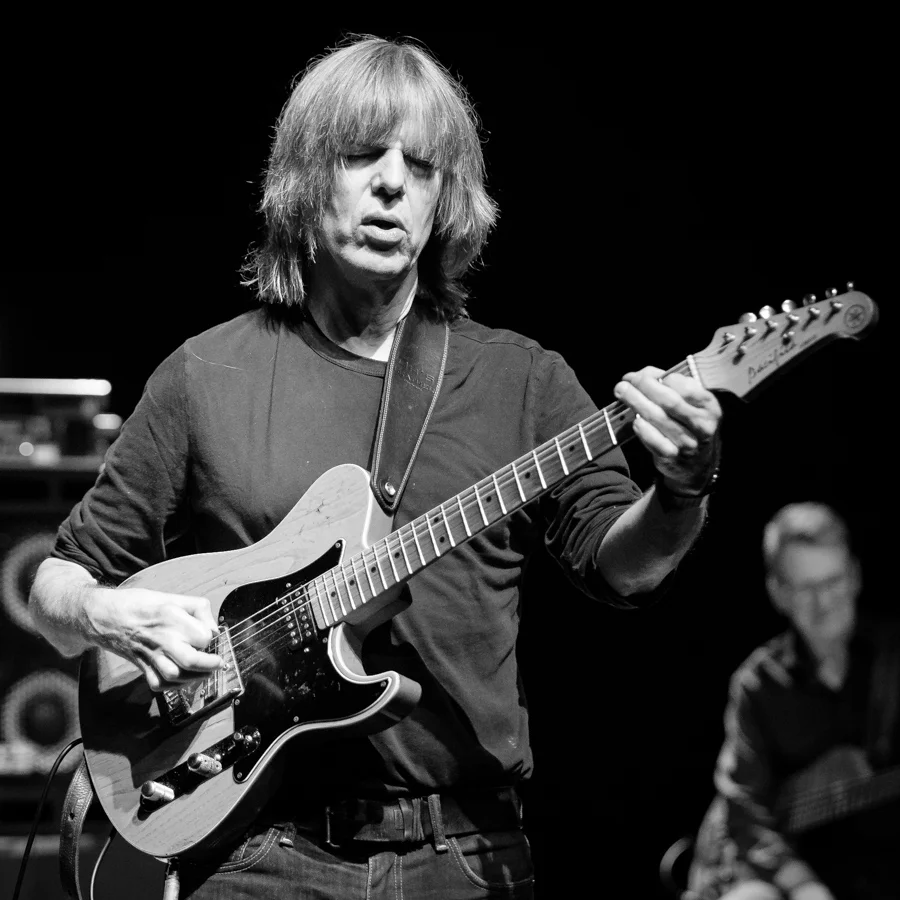
Stern's debut album and his most exploratory solo work — a lighter, more open tone than the polished Time in Place recordings, with the Telecaster pushed through the Marshall at slightly lower settings. The 1986 tone has a raw, workshop quality that the later albums refined away.
Signal Chain
- 1Fender Telecaster
- 2Marshall JCM800 (slightly lower gain than Time in Place)
Amp Settings
Slightly less gain than the 1988 recordings — the debut album has a rawer, more searching quality that the polished studio approach of Time in Place refined into a more consistent tone.
Technique
How to Play It
Exploratory fusion phrasing — the debut album shows Stern still finding his voice: jazz vocabulary mixed with rockier approaches, sometimes within the same phrase. Less refined but more adventurous than the later albums.
Budget Alternative
Achievable With
Telecaster → Marshall at slightly lower gain than Workin' It → the debut album's looser approach is actually easier to replicate than the polished Time in Place: less concern for consistent tone, more experimentation.
Your Gear
Adapt to My Amp
More from Stern
Other Song Rigs
Workin' It
Time in Place · 1988
Mike Stern's defining fusion tone — the Time in Place album captures his Telecas…
View rig →Blue Kind
Standards (and Other Songs) · 1992
Stern applying his Marshall-Telecaster setup to jazz standards — Blue Kind demon…
View rig →Hang
Voices · 1997
Fusion crunch — Stern's Yamaha Pacifica or Fender Telecaster through a Soldano c…
View rig →Chromazone
Upside Downside · 1986
Miles Davis band alumni fusion — the record that introduced Stern to a wider aud…
View rig →Take Me Where You Go
Standards (And Other Songs) · 1992
Cleaner and more acoustic-leaning — the Standards album shows Stern in a more st…
View rig →