Song Rig
Got My Mojo Working
Muddy Waters · At Newport 1960 · 1960
Tone Overview
What Makes This Sound Unique
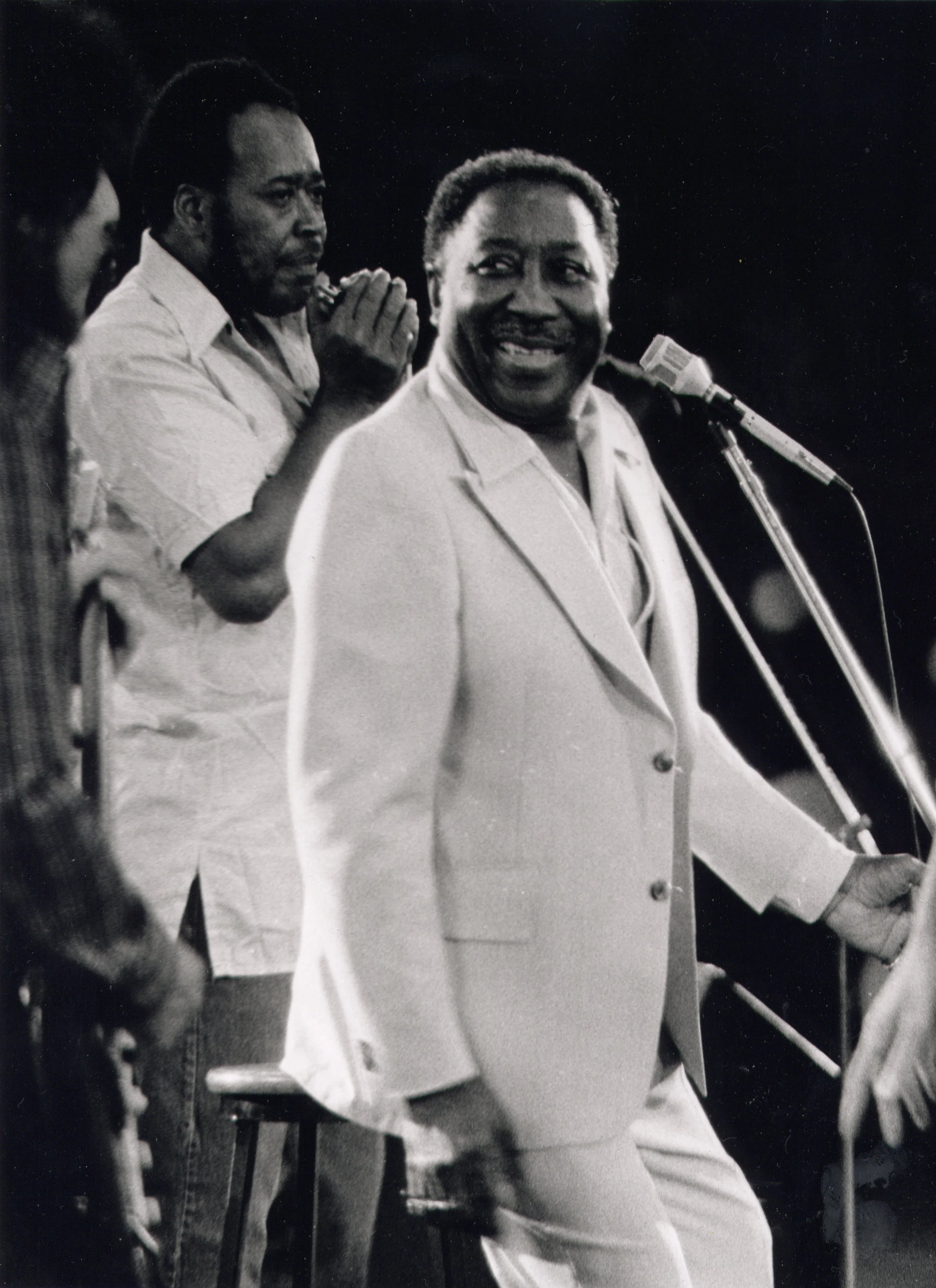
The definitive Muddy Waters live recording — the Newport 1960 album captures his electric Chicago blues at its most energetic. The Telecaster into a Fender amp at high volume produces a bright, trebly tone that cuts through the rhythm section. The crowd's explosive reaction when the song starts shows how powerful this sound was in 1960.
Signal Chain
- 1Fender Telecaster (bridge pickup)
- 2Fender Bassman 4×10 (high volume)
- 3Light finger vibrato on held notes
Amp Settings
High treble for maximum cut in a live setting — the Bassman at volume pushes into natural breakup. The trebly Telecaster bridge pickup cuts through the horns and rhythm section without a distortion pedal.
Technique
How to Play It
Call-and-response structure — Muddy plays single-note phrases and then rests, allowing the rhythm section to respond. This conversational approach is the foundation of Chicago blues guitar and creates more impact from fewer notes.
Budget Alternative
Achievable With
Telecaster bridge pickup → Fender Bassman or Blues Junior at high volume → no pedals. Chicago blues is about the amp, the guitar, and the performance — no pedal chain needed.
Your Gear
Adapt to My Amp
More from Muddy Waters
Other Song Rigs
Hoochie Coochie Man
Muddy Waters at Newport 1960 · 1954
The defining Chicago electric blues tone — a Gibson semi-hollow into a Fender or…
View rig →Rollin' Stone
The Chess Box · 1950
Muddy's definitive acoustic slide tone from the early electric era — still Delta…
View rig →Mannish Boy
Electric Mud · 1955
The single-riff blues masterpiece — built on one repeating figure in E standard …
View rig →I Just Want to Make Love to You
The Best of Muddy Waters · 1954
A Chess Records electric blues classic — the early 1950s Chess sound has a speci…
View rig →Champagne & Reefer
Hard Again · 1977
Muddy's late-career blues produced by Johnny Winter — the Hard Again album gave …
View rig →