Reverse Tone Search
Who Can I Sound Like With a Fender Stratocaster and Neural DSP Quad Cortex?
Your closest match is Stevie Ray Vaughan at 86/100. 10 artists analysed from the ToneStakr database.
Match Results
Your closest match: Stevie Ray Vaughan (86/100)
Fender Stratocaster + Neural DSP Quad Cortex + Overdrive
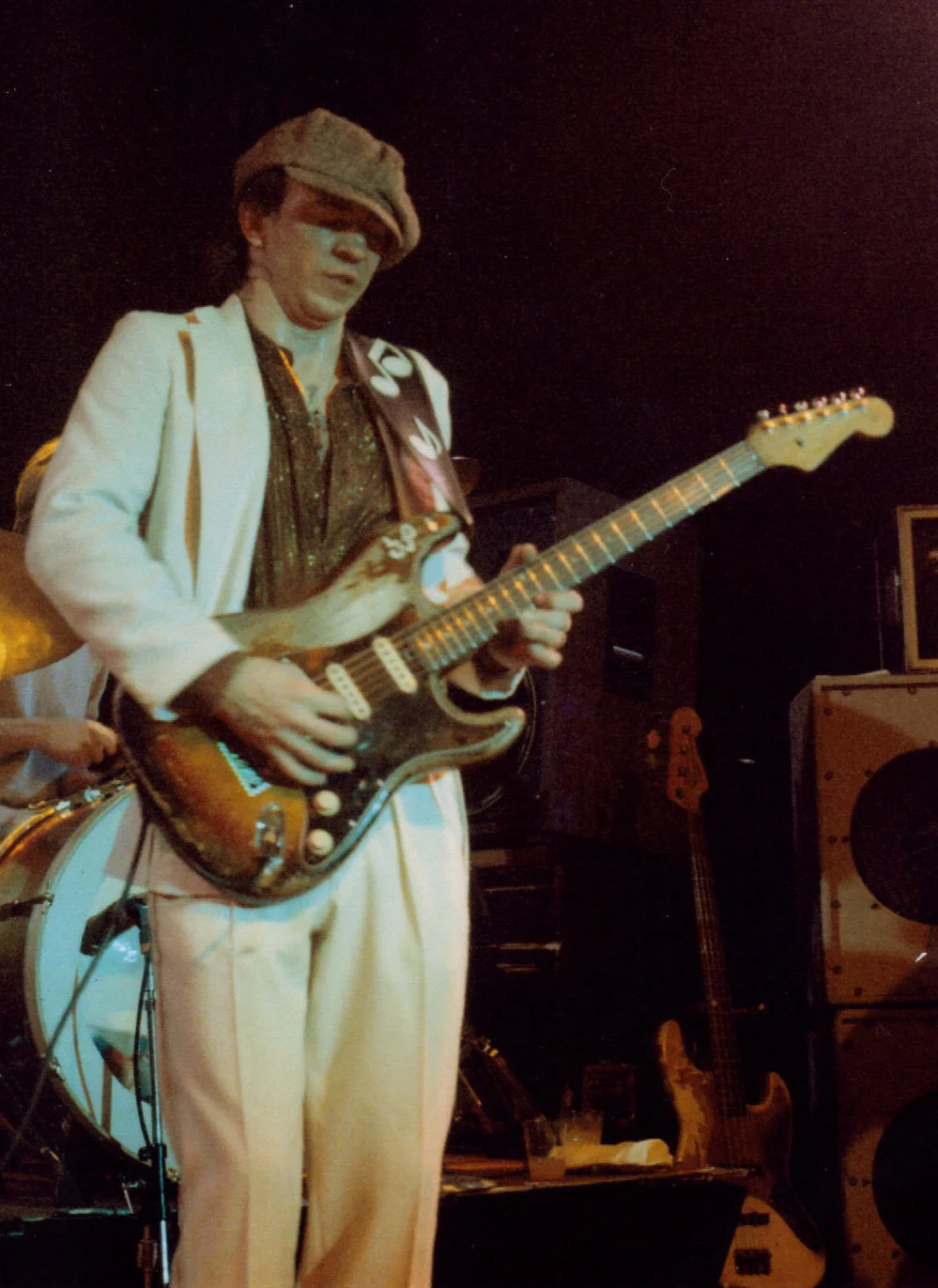
Running Fender Stratocaster into Neural DSP Quad Cortex gets you further into Stevie Ray Vaughan's world than most players expect. This rig emphasises: heavy-strings, texas-blues, amp-pushed. The easiest upgrade path would be to add a Dunlop GCB95 Cry Baby Wah to close the remaining gap. This rig is one of the closest matches in the database for Stevie Ray Vaughan's sound.
Recommended Settings
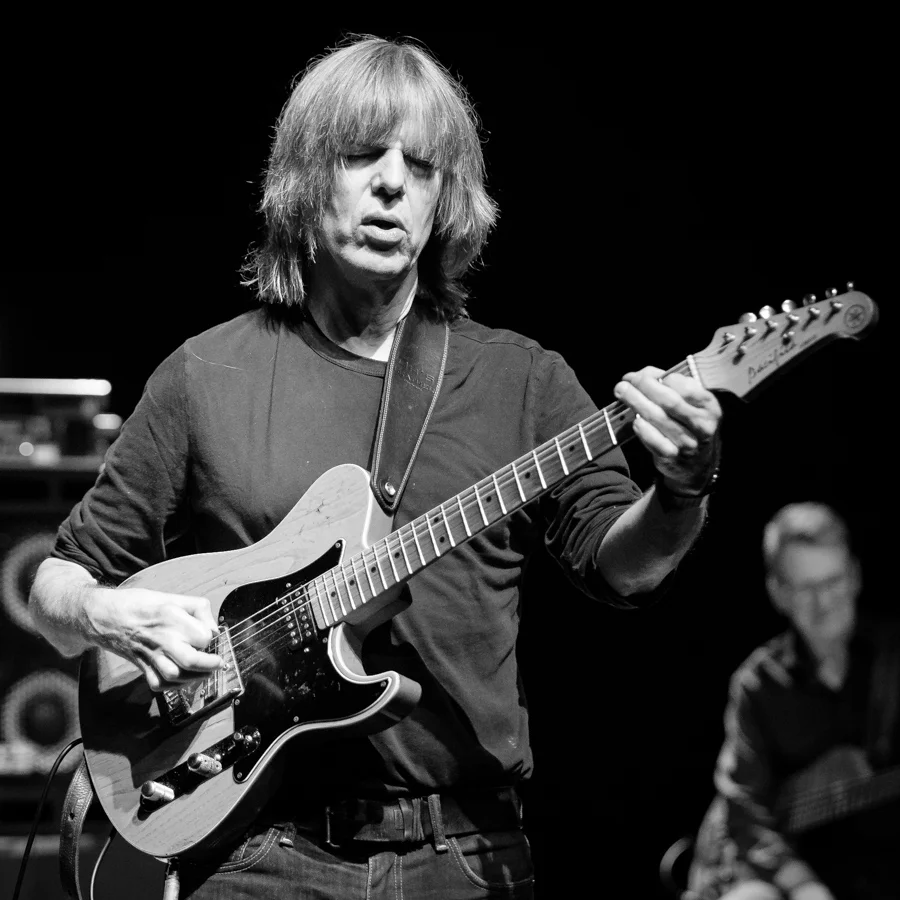
The tones Mike Stern built in the studio share several important qualities with what this rig produces. The strongest contributor is the combination of Fender Stratocaster and Neural DSP Quad Cortex. This rig emphasises: jazz-rock, strat-crunch, aggressive-jazz. The easiest upgrade path would be to add a Boss CS-3 Compression Sustainer to close the remaining gap.
Recommended Settings

Among all possible matches, John Mayer stands out because of how closely the tonal priorities align. Notable tonal fingerprints include: vocal-tone, soulful, blues-rock. The biggest reason for the match is the combination of Fender Stratocaster and Neural DSP Quad Cortex. The easiest upgrade path would be to add a Boss CS-3 Compression Sustainer to close the remaining gap.
Recommended Settings

The largest overlap comes from the Fender Stratocaster — it covers a lot of Eric Clapton's core character on its own. Notable tonal fingerprints include: vocal, blues-phrasing, clean-to-crunch. The largest remaining gap is a Electro-Harmonix Small Clone to close the remaining gap.
Recommended Settings
Ritchie Blackmore built their approach around classical-influenced and baroque-rock. The overall character of this setup reflects those same priorities. The largest overlap comes from the combination of Fender Stratocaster and Neural DSP Quad Cortex. The largest remaining gap is a MXR M108S 10-Band EQ to close the remaining gap.
Recommended Settings
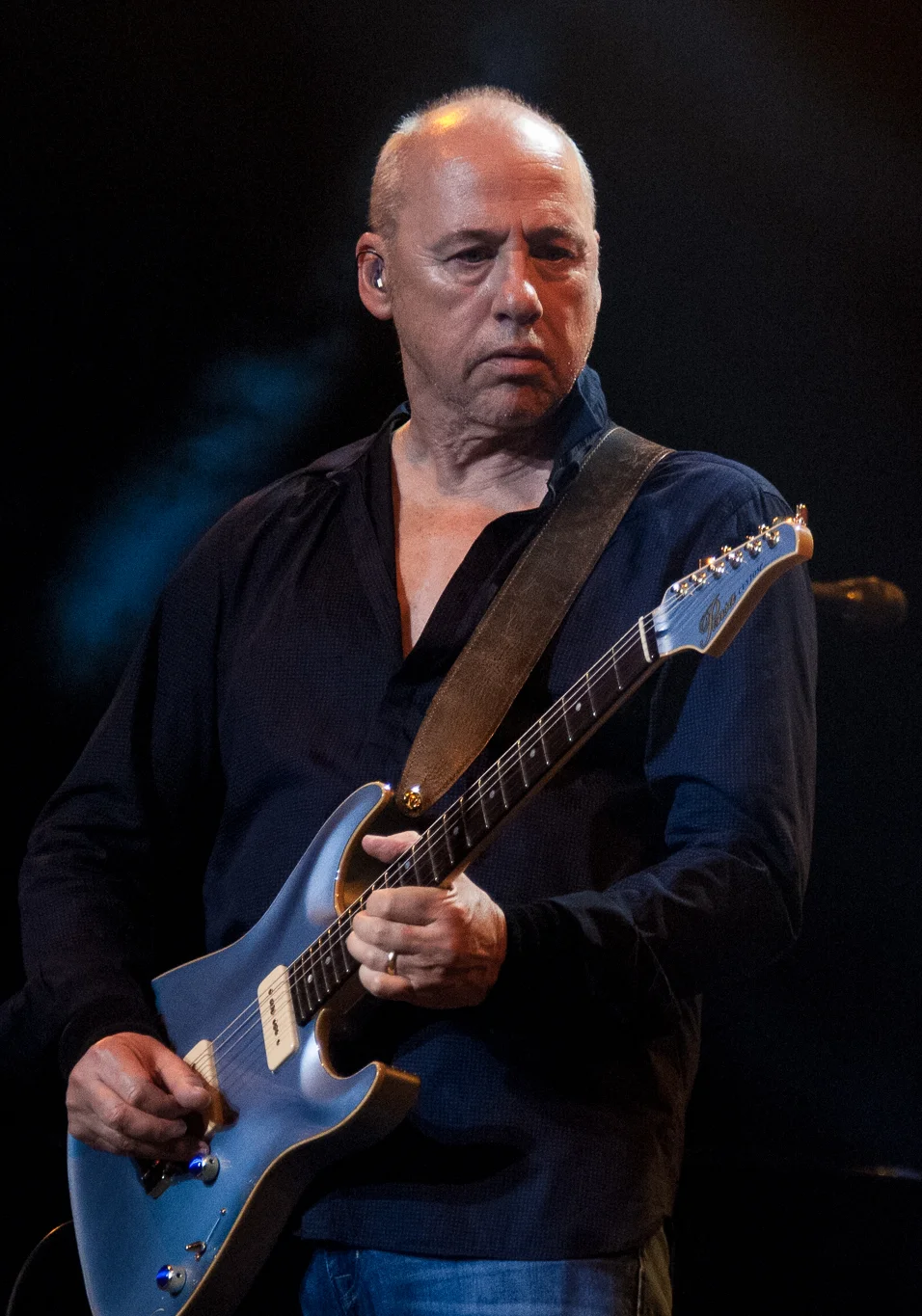
Mark Knopfler's sound is strongly represented in this rig. The foundation of the similarity is the combination of Fender Stratocaster and Neural DSP Quad Cortex. Shared sonic characteristics include: fingerpicking, clean-expressive, articulate. The easiest upgrade path would be to add a TC Electronic Flashback 2 to close the remaining gap.
Recommended Settings
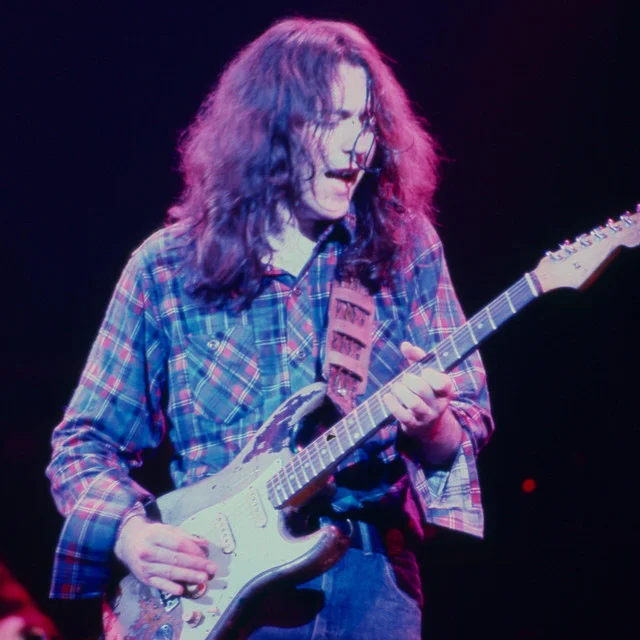
Much of what made Rory Gallagher's tone distinctive can already be found in this rig. The standout component is the combination of Fender Stratocaster and Neural DSP Quad Cortex. This rig emphasises: raw, authentic, bluesy. To move even closer, consider adding a TC Electronic Spark Booster to close the remaining gap.
Recommended Settings
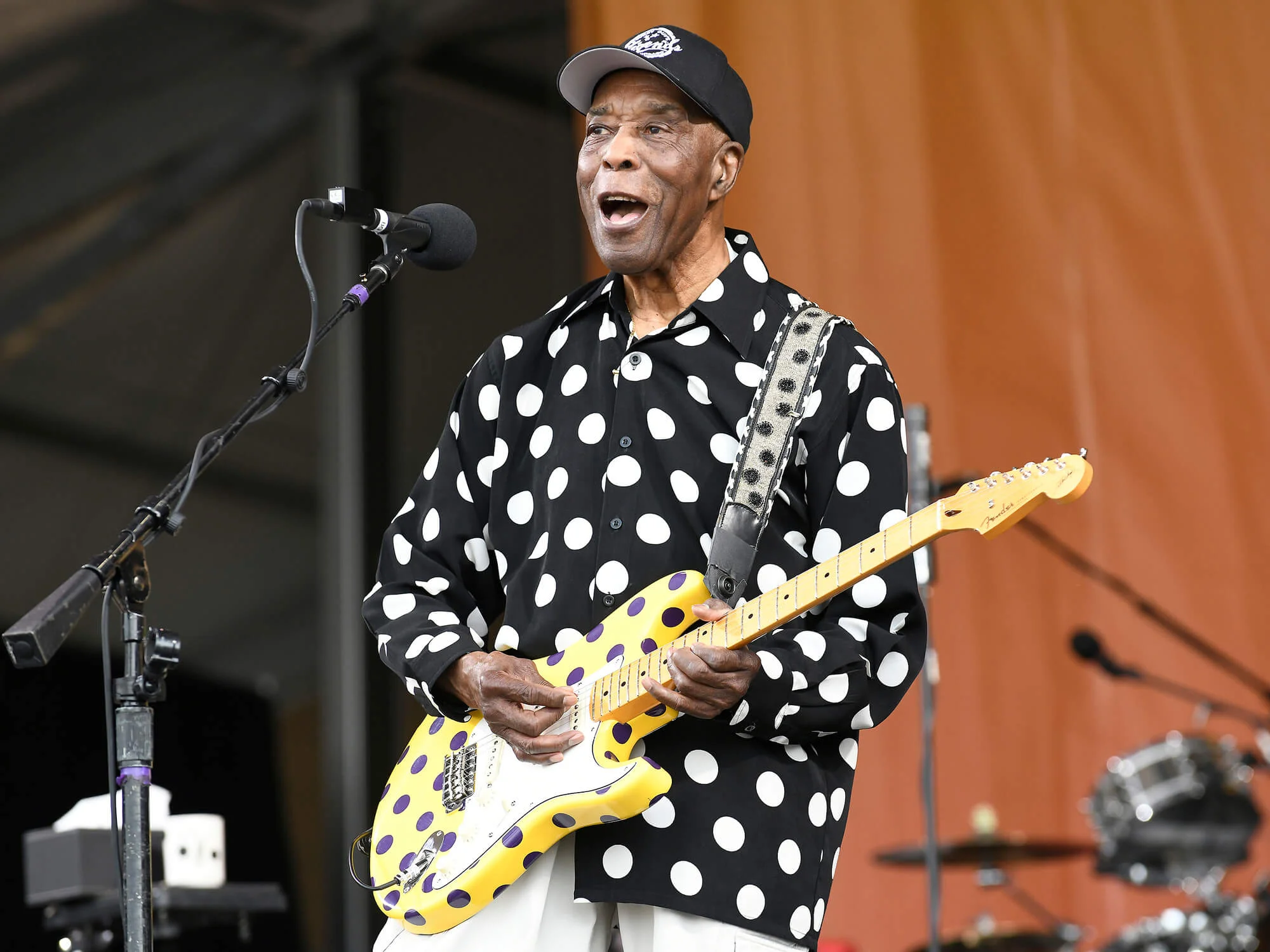
Buddy Guy built their approach around chicago-blues and flamboyant. The overall character of this setup reflects those same priorities. The closest match comes from the combination of Fender Stratocaster and Neural DSP Quad Cortex. The largest remaining gap is a Dunlop GCB95 Cry Baby Wah to close the remaining gap.
Recommended Settings

A listener familiar with Eric Gales's recordings would pick up on the similarity here. The resulting sound profile highlights: left-handed-style, aggressive-bends, hendrix-influenced. The largest overlap comes from the combination of Fender Stratocaster and Neural DSP Quad Cortex. The easiest upgrade path would be to add a Dunlop GCB95 Cry Baby Wah to close the remaining gap.
Recommended Settings
You're already working with the right core ingredients for Yngwie Malmsteen's sound. The biggest reason for the match is the combination of Fender Stratocaster and Neural DSP Quad Cortex. The resulting sound profile highlights: neoclassical, scalloped-neck, fast. Several important elements align — the overall character is recognisably close.
Recommended Settings
Want to try your own gear?
The interactive Reverse Tone tool lets you enter any guitar, amp, and pedal combination.
Try Reverse Tone Search →