Rig Builder
Budget Rig Breakdown
Signal Chain
GuitarEpiphone Explorer
AmpKatana 50

££ Mid-Range$380

Technique
Key Tone Tips
- Albert's bends go downward (pulling the string toward the floor) — practise this specifically
- His neck position (thumb over the top) adds a warmer tone from dampening the neck resonance
- Wide, slow vibrato after bends — the note groans rather than shimmers
- Minor pentatonic in the Albert King "box" (high-register minor pentatonic) is his home
- Play behind the beat with heavy attack — the groove is in the delayed delivery
- Clean Fender amp with natural speaker saturation at higher volume is the foundation
- Upstroke bends and note attacks come from the unique right-to-left string geography
- Study "Born Under a Bad Sign" and "Crosscut Saw" for the definitive vocabulary
- SRV studied Albert King obsessively — the cross-hand bend technique is clearly inherited
Background
About Albert King's Sound
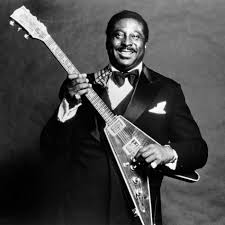
Albert King was left-handed but played a right-handed guitar upside down and unstrung in reverse — meaning his bends went downward rather than upward. This physical quirk gave his string bends a unique, scooped sound that seemed to pull notes down toward the floor, influencing SRV, Hendrix and virtually every blues player who heard it.