Rig Builder
Budget Rig Breakdown
Signal Chain
GuitarLP Std
ODJoyo Vintage
AmpKatana 50
££ Mid-Range$418

£ Budget$37
Technique
Key Tone Tips
- Wide, slow-starting vibrato that gradually increases in width — mimics a singer's natural swell
- Extreme string bends — Moore bent strings further than almost any other player
- Bridge pickup for scorching leads; neck pickup for smoother, BB King-influenced phrases
- Boss SD-1 as clean boost (gain low, level high) — pushes amp into natural saturation
- Marshall EQ: bass 6, mid 7, treble 6 — mid-forward, not scooped
- Pick hard and then control the note — dynamics come from attack, not the amp
- Blues phrasing over hard rock backing creates the emotional tension central to Moore's style
- Tremolo arm for occasional dive bomb effects — but used sparingly vs pure vibrato
- Study "Still Got The Blues" and "Parisienne Walkways" for the definitive slow-blues approach
Background
About Gary Moore's Sound
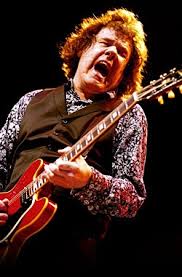
Gary Moore combined hard rock technique with the raw emotion of BB King and Albert King to produce one of the most powerful and expressive blues-rock tones ever recorded. His Les Paul through a Marshall delivered screaming vibrato and unrestrained string bends that sounded more like crying than playing.