Song Rig
James
Pat Metheny · 80/81 · 1980
Tone Overview
What Makes This Sound Unique
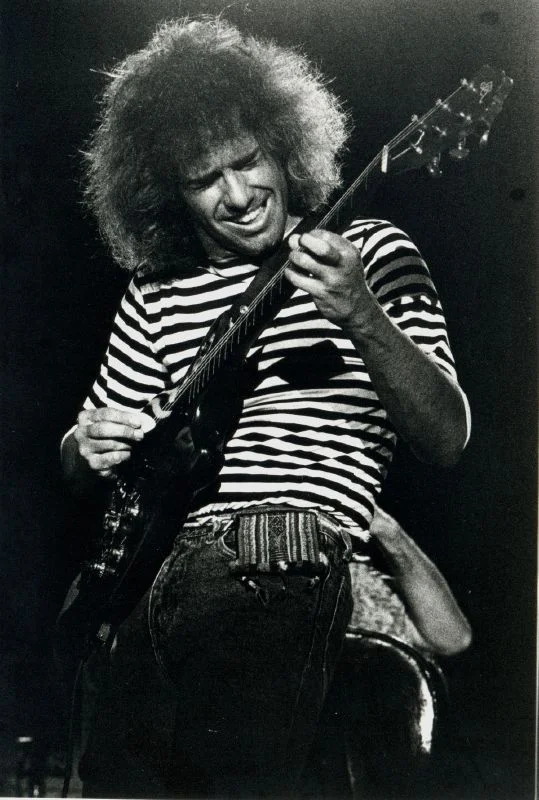
Open, acoustic-leaning and conversational — one of Metheny's purest electric performances. The archtop speaks naturally without heavy processing, letting the maple and spruce do the work. The tone has an almost acoustic transparency.
Signal Chain
- 1Gibson ES-175 (floating DeArmond pickup, neck position)
- 2Small tube combo (low volume)
Amp Settings
Minimum gain, low volume — the ES-175 is doing all the work. Slight reverb to add space. The tone here represents Metheny at his most un-processed.
Technique
How to Play It
Chord-melody with subtle single-note runs — playing off Dewey Redman's tenor with a conversational, reactive approach rather than long set-piece solos.
Budget Alternative
Achievable With
Gibson ES-175 or Epiphone Casino → any clean tube combo at bedroom volume. An Eastman archtop is a budget-friendly alternative.
Your Gear
Adapt to My Amp
More from Pat Metheny
Other Song Rigs
Bright Size Life
Bright Size Life · 1976
Pat Metheny's debut and one of the most distinctive jazz guitar tones ever recor…
View rig →Are You Going With Me?
Offramp · 1982
Pat Metheny's most iconic fusion piece — the Roland GR-300 guitar synthesiser gi…
View rig →Last Train Home
Still Life (Talking) · 1987
Metheny's most accessible and immediately beautiful melody — a folk-influenced t…
View rig →Minuano (Six Eight)
Still Life (Talking) · 1987
Lush, chorused and deeply spatial — Metheny's Ibanez PM100 through a Roland Jazz…
View rig →Better Days Ahead
Letter from Home · 1989
Sunny and melodic — Metheny's signature tone at its most accessible, blending th…
View rig →