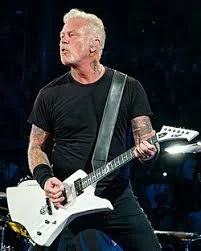
Sound Like James Hetfield
James Hetfield is one of the most recognisable voices in thrash metal — a relentless and intense player who shaped the sound of the decade of guitar virtuosity and arena rock. James Hetfield is widely regarded as the greatest rhythm guitarist in metal — his downpicking technique, perfectly controlled palm muting and sense of dynamic groove make Metallica's riffs feel like forces of nature. His ESP Explorer-style guitars through Mesa Boogie produce a tight, surgical rhythm tone matched by no one. Below are complete rig guides at four budget levels, so you can start building their sound whether you're just starting out or ready to invest in the full setup.
Quick Answer
To sound like James Hetfield, start with a Epiphone Explorer into a Boss Katana 50 MkII, with a Boss DS-1 Distortion as your key effect.
Tone Analysis
James Hetfield's Guitar Tone — In Depth
Tone Philosophy
James Hetfield is primarily a rhythm guitarist — the most important rhythm guitarist in metal. While Kirk Hammett provides the lead guitar voice, Hetfield's downpicked rhythm playing is the structural backbone of Metallica's sound. His approach to rhythm tone prioritises tightness, clarity under heavy gain, and the physical stamina to maintain consistent downpicking at high tempo for extended periods.
The Signature Sound
The Master of Puppets rhythm tone — the most imitated metal rhythm tone in history — is a Mesa/Boogie Mark IIC+ amplifier (or the specific ESP James Hetfield signature guitars through modified Marshall units for live work) with the gain and presence set for maximum clarity at high distortion levels. The downpicking technique requires a specific amp setup: too much low-end and the pick attack becomes muddy; too little and the tone sounds thin. The specific mid-scooped sound of the Mark IIC+ at those settings has been endlessly reproduced.
Key Gear
His signature ESP Metallica models (the Truckster, Iron Cross, and others) have been primary live instruments for decades. Mesa/Boogie Mark IIC+ and Mark IV amplifiers have been central. His live rig has used custom Diezel amplifiers in more recent years.
Playing Approach
Downpicking every note at thrash tempo — rather than alternating up and down strokes — produces a more consistent attack and tone per note but requires significant endurance. Hetfield's specific picking technique and hand position have been studied extensively by metal guitar educators as the reference for efficient heavy rhythm guitar.
Legacy
Hetfield's rhythm guitar is what separates Metallica from every imitator. The precision, stamina, and tonal control of his downpicking at tempo is more influential on metal guitar than Kirk Hammett's lead playing, because rhythm guitar is what most metal musicians actually spend most of their time playing.
Budget Comparison
Pick Your Budget Level
£500 · Sweet Spot
~£497
- GuitarEpiphone Explorer
- DistortionBoss DS-1 Distortion
- AmpBoss Katana 50 MkII
£1,000 · Pro-Level
~£917
- GuitarJackson JS32 Dinky
- AmpMarshall DSL40CR
- Noise GateBoss NS-2 Noise Suppressor
£2,500 · Premium
~£2464
- GuitarDean ML Select
- BoostPaul Cochrane Timmy
- EQEmpress ParaEQ
- DistortionWampler Dracarys
- AmpMarshall DSL40CR
- DelayStrymon Timeline
Shop Now
Buy the Key Gear — £500 Sweet Spot
Guitar, amp and essential effects for the authentic James Hetfield sound. The guitar and amp together account for 80% of the tone.
Complete the Rig
Essentials Every Guitarist Needs
These aren't exciting — but every rig needs them. Buy once, sorted forever.
Tone Profile
James Hetfield's Sound
ESP James Hetfield signature (active EMG 81/60 pickups) into a Mesa Boogie Dual Rectifier or Engl Powerball. Very high gain, extremely tight low end — Hetfield's downpicking attack is so controlled that every note is perfectly articulated even at extreme gain levels. Almost no effects on rhythm; leads use subtle delay.
Modeling Amps
Get James Hetfield's Tone on Your Modeler
Targeting Mesa/Boogie (Dual Rectifier / Mark series). Use these amp models and IRs as your starting point — dial in from there using the knob settings above.
Cali Rectifire Modern for modern heavy; Ch1 for clean/crunch
Bass at 7+, treble restrained — Mesa preamp is very active
Song Match
Which James Hetfield Songs Suit Your Amp
Tone Match
Closest Real-World Tone Match
If you like James Hetfield's tone, these players use a similar approach — same gear philosophy, comparable sound characteristics.
Weekly Tone Tips
One setting, one artist insight, one gear pick. No noise.