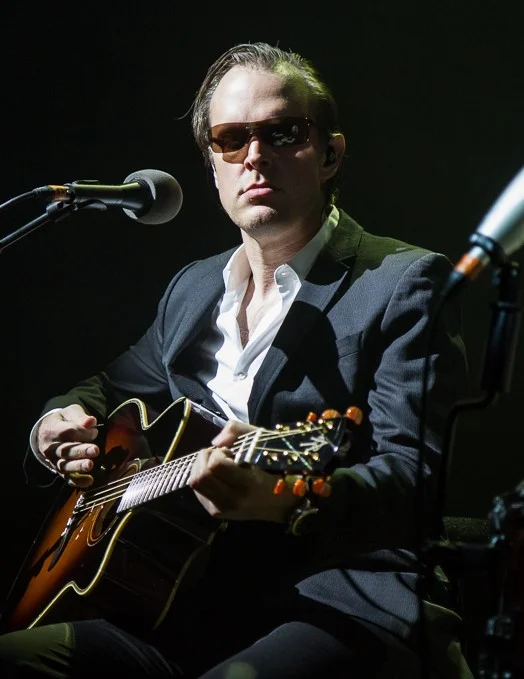
Sound Like Joe Bonamassa
Joe Bonamassa is one of the most recognisable voices in blues-rock — a raw and emotionally charged player who shaped the sound of a period of genre-blending and sonic exploration. Joe Bonamassa is the most technically accomplished modern blues-rock guitarist — a vast vintage gear collection combined with encyclopaedic knowledge of blues and rock history. His multiple vintage Les Pauls through Dumble and Fender Tweed amps deliver a tone with extraordinary dynamic range and harmonic richness. Below are complete rig guides at four budget levels, so you can start building their sound whether you're just starting out or ready to invest in the full setup.
Quick Answer
To sound like Joe Bonamassa, start with a Epiphone Les Paul Standard into a Boss Katana 50 MkII.
Tone Analysis
Joe Bonamassa's Guitar Tone — In Depth
Tone Philosophy
Joe Bonamassa is the most comprehensive student of vintage blues-rock gear in contemporary music. His collection of vintage Les Pauls, Stratocasters, and amplifiers is extraordinary, and his use of this gear reflects genuine understanding of what separates vintage equipment from modern reissues. His approach is to play the original instruments through the original signal chain as closely as possible, producing recorded tones that are among the most authentic recreations of vintage blues-rock sound available.
The Signature Sound
Bonamassa's primary tone is a vintage Gibson Les Paul through a vintage Marshall or Dumble amplifier, often with a Tube Screamer as a boost. The combination produces the warmth, sustain, and harmonic complexity that characterises the best blues-rock lead tone. His recorded sound is meticulous — every element of the signal chain is chosen for its contribution to a specific tonal character.
Key Gear
His guitar collection includes dozens of vintage Les Paul Standards, including a 1959 'Burst (considered the holy grail of electric guitars). Amplifiers include original Marshall Plexi and Super Lead models and Dumble Overdrive Specials. His pedalboard combines vintage and boutique units.
Playing Approach
Bonamassa studied guitar from childhood under Danny Gatton — one of the most technically complete guitarists in American history — which accounts for the breadth of his technical vocabulary. His lead playing combines blues vocabulary with jazz-influenced outside-note targeting and occasional country-influenced hybrid picking.
Legacy
Bonamassa is the most commercially successful blues-rock guitarist of his generation, having built an independent touring and recording operation without major label support. His production of other artists and his Blues Foundation work have contributed significantly to blues guitar education and preservation.
Budget Comparison
Pick Your Budget Level
£500 · Sweet Spot
~£478
£1,000 · Pro-Level
~£927
- GuitarEpiphone Les Paul Standard
- AmpFender Blues Junior IV
- OverdriveBoss Blues Driver BD-2
- EQMXR M108S 10-Band EQ
£2,500 · Premium
~£2476
- GuitarGibson Les Paul Junior
- CompressionDiamond Compressor
- OverdriveBoss Blues Driver BD-2
- AmpMarshall DSL100H
Shop Now
Buy the Key Gear — £500 Sweet Spot
Guitar, amp and essential effects for the authentic Joe Bonamassa sound. The guitar and amp together account for 80% of the tone.
Complete the Rig
Essentials Every Guitarist Needs
These aren't exciting — but every rig needs them. Buy once, sorted forever.
Tone Profile
Joe Bonamassa's Sound
Vintage Les Paul (1957 Goldtop or 1959 Standard) into a Dumble ODS or Fender Tweed Deluxe. The combination is warm and organic — no harsh edges, enormous dynamic range. Bonamassa controls clean to crunch entirely with pick attack and guitar volume; pedals are used sparingly.
Modeling Amps
Get Joe Bonamassa's Tone on Your Modeler
Targeting Marshall (Plexi / JCM800). Use these amp models and IRs as your starting point — dial in from there using the knob settings above.
Low master, drive at 6–7 for Plexi crunch; Brit 2204 for JCM800 lead
Keep presence at 5, let the amp breathe — avoid over-EQing
Song Match
Which Joe Bonamassa Songs Suit Your Amp
Tone Match
Closest Real-World Tone Match
If you like Joe Bonamassa's tone, these players use a similar approach — same gear philosophy, comparable sound characteristics.
Weekly Tone Tips
One setting, one artist insight, one gear pick. No noise.