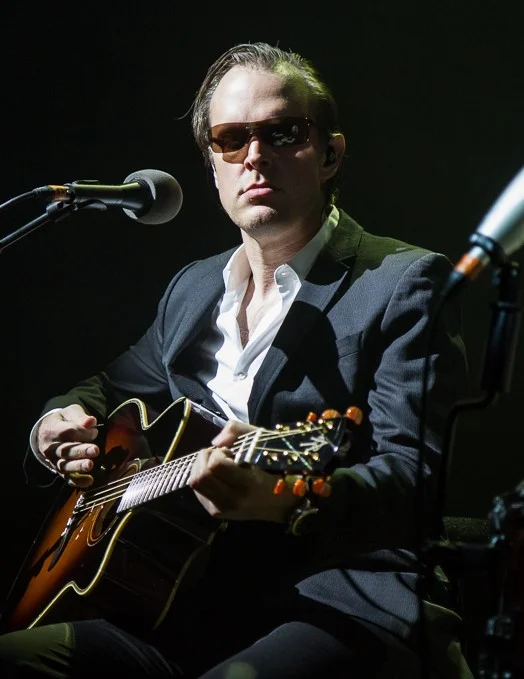
Joe Bonamassa Amp Settings
EQ dial positions, gain structure, and how to replicate the sound on any amp
Fender 1959 Tweed Bassman / Dumble ODS — Dial Settings
SourcedAll values on a 0–10 scale. Adjust by ear — room acoustics and specific amp variants affect the exact position.
Choosing the Right Amp
Amp at Every Budget
Getting the Most From Your Amp
- Keep the amp clean and use pedals for drive — the amp's headroom lets the pedals breathe.
- Don't scoop the mids. Joe Bonamassa's mid-forward voicing is essential to cut through the mix.
- Master volume matters — many classic tones only work at significant volume when tubes are working hard.
Related Gear
Similar Guitarists
FAQ
Joe Bonamassa Amp Settings — Common Questions
Joe Bonamassa uses the Fender 1959 Tweed Bassman / Dumble ODS with Gain at 6, Bass at 7, Mid at 6, Treble at 7, and Presence at 5. Joe rotates through a museum of vintage amps — 1959 Fender Bassman, Dumble ODS, and Marshall Super Lead are all regulars. The Bassman setting captures his blues platform: moderate gain at the edge of breakup, bass emphasised, presence restrained. Les Paul Standards through Klon Centaur and Ibanez TS9 stacked for lead boosts. The amp is a vehicle for feel rather than a specific sound.
Joe Bonamassa's primary amp is the Fender 1959 Tweed Bassman / Dumble ODS. At different budgets, similar tones can be achieved with: Boss Katana 50 MkII (£200 · Beginner), Boss Katana 50 MkII (£500 · Sweet Spot), Fender Blues Junior IV (£1,000 · Pro-Level), Marshall DSL100H (£2,500 · Premium).
Joe Bonamassa sets Gain to 6 on the Fender 1959 Tweed Bassman / Dumble ODS. Joe rotates through a museum of vintage amps — 1959 Fender Bassman, Dumble ODS, and Marshall Super Lead are all regulars.
You can get close to Joe Bonamassa's tone on any amp by focusing on the EQ character rather than specific gain levels. Key: keep the mids high (7–8) — mid-forward voicing is critical. Keep the amp clean and drive it with a transparent overdrive pedal. A Boss Katana or Blackstar HT series can approximate the tone at low cost.
For Joe Bonamassa's EQ signature: Bass 7/10, Mid 7/10, Treble 6/10, Presence 6/10. The tone is characterised as: blues-rock, vintage-tones, collectors-grade. These are starting points — fine-tune by ear to your specific amp and room.