Who Can I Sound Like With a Gibson Les Paul Standard and Neural DSP Quad Cortex?

Gibson Les Paul StandardNeural DSP Quad CortexOverdrive

Your closest match is Peter Green at 86/100. 10 artists analysed from the ToneStakr database.

Your closest match: Peter Green (86/100)

Gibson Les Paul Standard + Neural DSP Quad Cortex + Overdrive
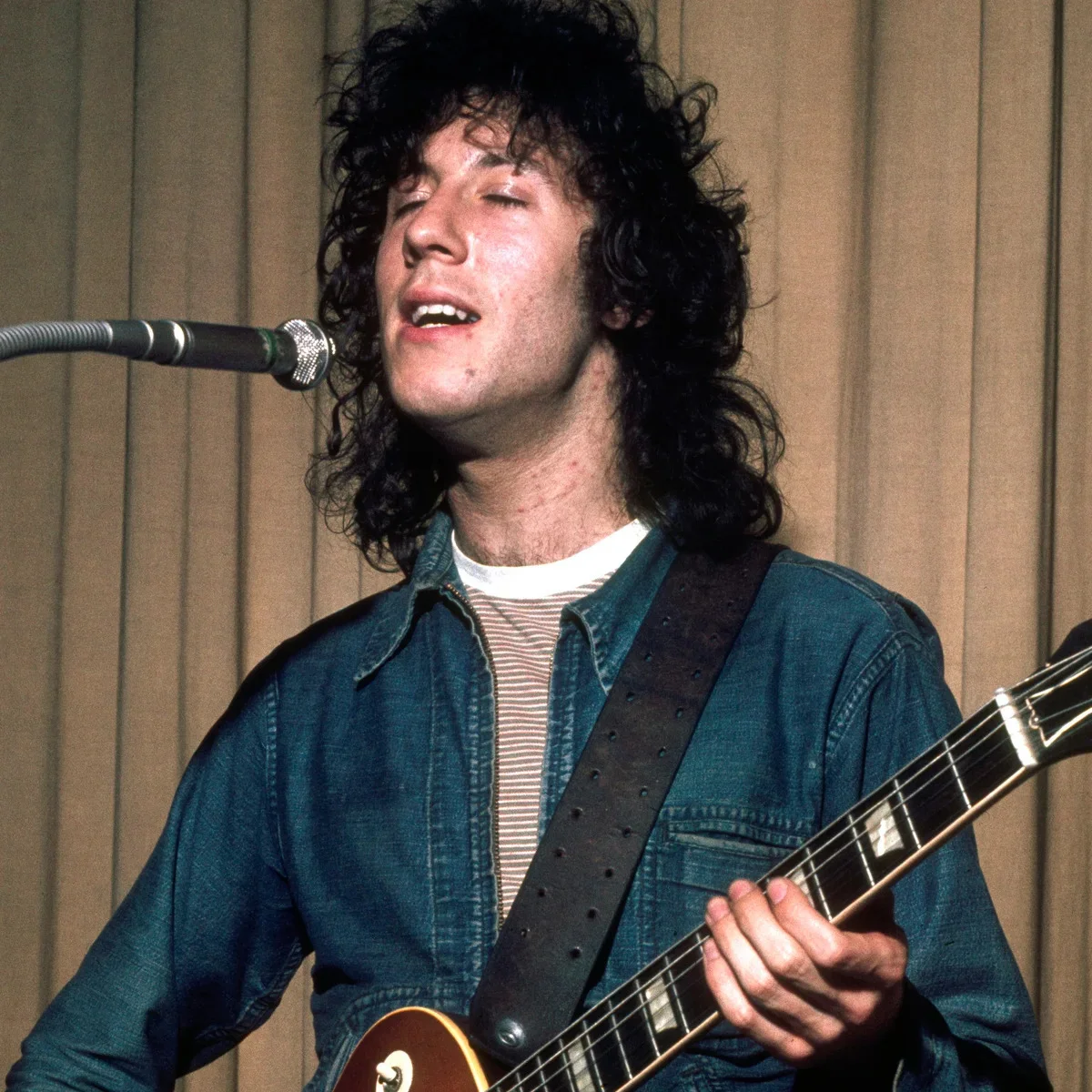
#1
Peter Green
Peter Green
1960sBluesBlues-Rock
86Excellent Match
DSP / Plugin Match
Guitar100%
Amp80%
Effects72%

Dialled in correctly, this setup would make a lot of players think of Peter Green. The foundation of the similarity is the combination of Gibson Les Paul Standard and Neural DSP Quad Cortex. Key tonal traits include: out-of-phase-pickup, warm-vocal, vintage-tone. This rig is one of the closest matches in the database for Peter Green's sound.

DSP / Plugin Match: This match is best achieved through your modeller or amp simulation software. Load the appropriate amp model and cabinet IR to dial in the character.

Recommended Settings

Gibson Les Paul StandardPickup: neck for lead, bridge for rhythmRoll back the guitar volume to 7-8 for natural amp compression.
Neural DSP Quad CortexLoad a Marshall Plexi or JCM800 model. Gain: 5-7British crunch lives in the mids — keep them up around 6-7.
OverdriveDrive: 3-5, Tone: 5-6, Level: unity gainUse a Tube Screamer-style overdrive as a clean boost into a slightly driven amp.
#2
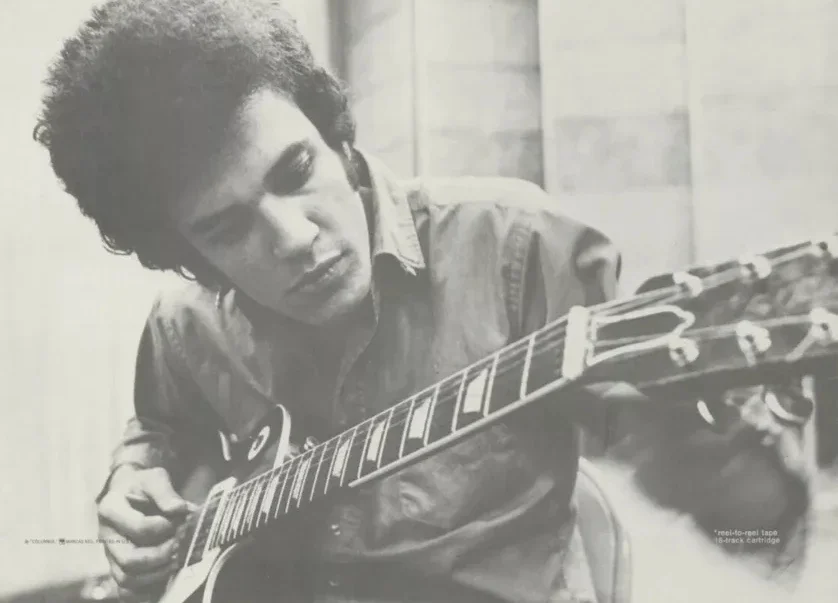
Mike Bloomfield
Mike Bloomfield
1960sBluesBlues-Rock
86Excellent Match
DSP / Plugin Match
Guitar100%
Amp80%
Effects72%

The match is driven less by exact gear names and more by tonal behaviour. This rig emphasises: chicago-blues-rock, raw-les-paul, early-electric-blues. The largest overlap comes from the combination of Gibson Les Paul Standard and Neural DSP Quad Cortex. The easiest upgrade path would be to add a TC Electronic Hall of Fame 2 to close the remaining gap.

DSP / Plugin Match: This match is best achieved through your modeller or amp simulation software. Load the appropriate amp model and cabinet IR to dial in the character.

Recommended Settings

Gibson Les Paul StandardPickup: neck for lead, bridge for rhythmRoll back the guitar volume to 7-8 for natural amp compression.
Neural DSP Quad CortexLoad a Fender Deluxe or Tweed model. Push the gain to 6-7The magic is in the amp pushed to the edge — use a Tube Screamer as a boost if available.
OverdriveDrive: 3-5, Tone: 5-6, Level: unity gainUse a Tube Screamer-style overdrive as a clean boost into a slightly driven amp.
#3
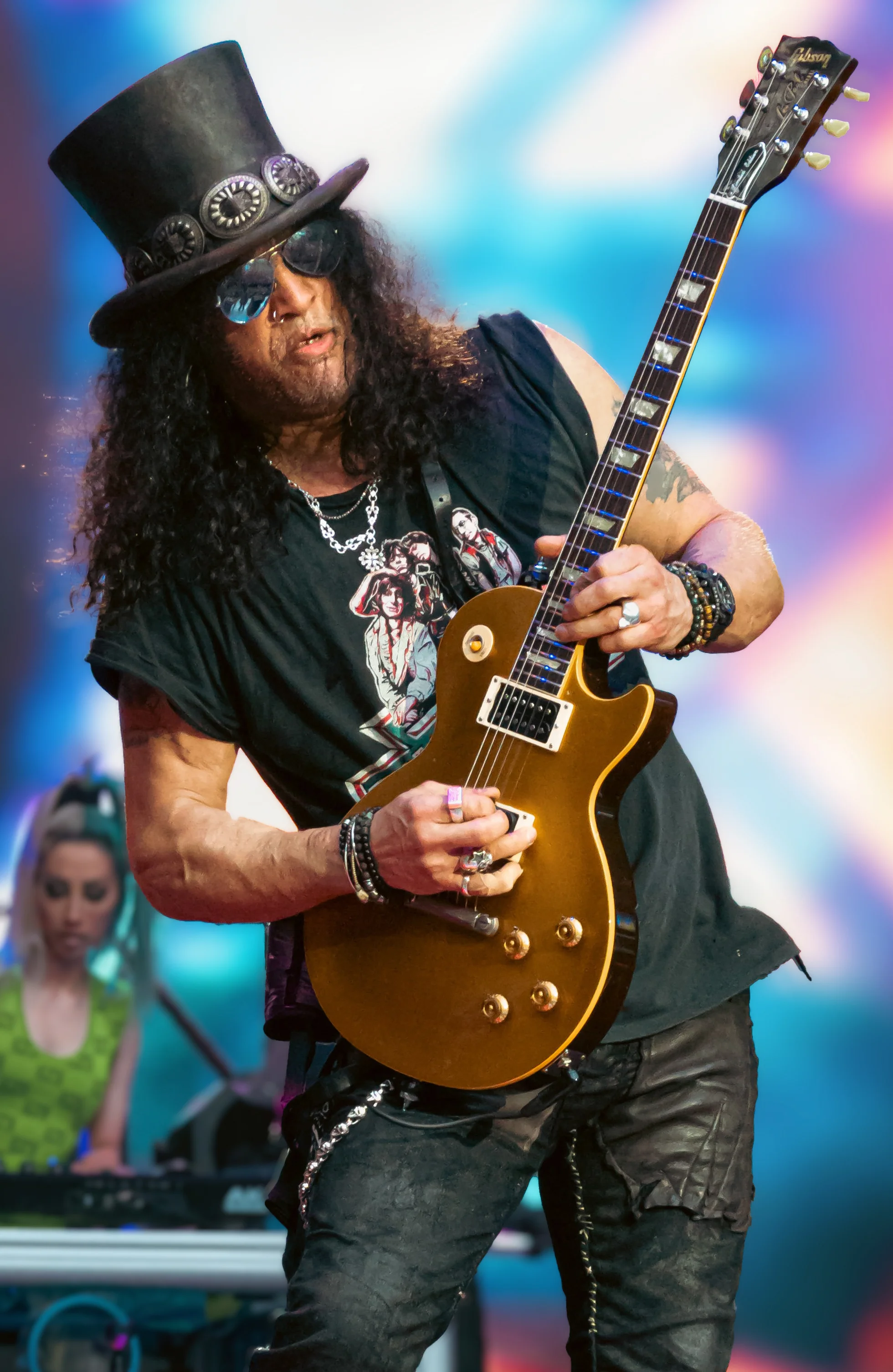
Slash
Slash
1980sHard RockRock
77Strong Match
DSP / Plugin Match
Guitar100%
Amp80%
Effects36%

Much of what made Slash's tone distinctive can already be found in this rig. The standout component is the combination of Gibson Les Paul Standard and Neural DSP Quad Cortex. Notable tonal fingerprints include: les-paul-driven, marshall-crunch, bluesy-hard-rock. The largest remaining gap is a Dunlop GCB95 Cry Baby Wah to close the remaining gap.

DSP / Plugin Match: This match is best achieved through your modeller or amp simulation software. Load the appropriate amp model and cabinet IR to dial in the character.

Recommended Settings

Gibson Les Paul StandardPickup: neck for lead, bridge for rhythmRoll back the guitar volume to 7-8 for natural amp compression.
Neural DSP Quad CortexLoad a Marshall Plexi or JCM800 model. Gain: 5-7British crunch lives in the mids — keep them up around 6-7.
OverdriveDrive: 3-5, Tone: 5-6, Level: unity gainUse a Tube Screamer-style overdrive as a clean boost into a slightly driven amp.
#4
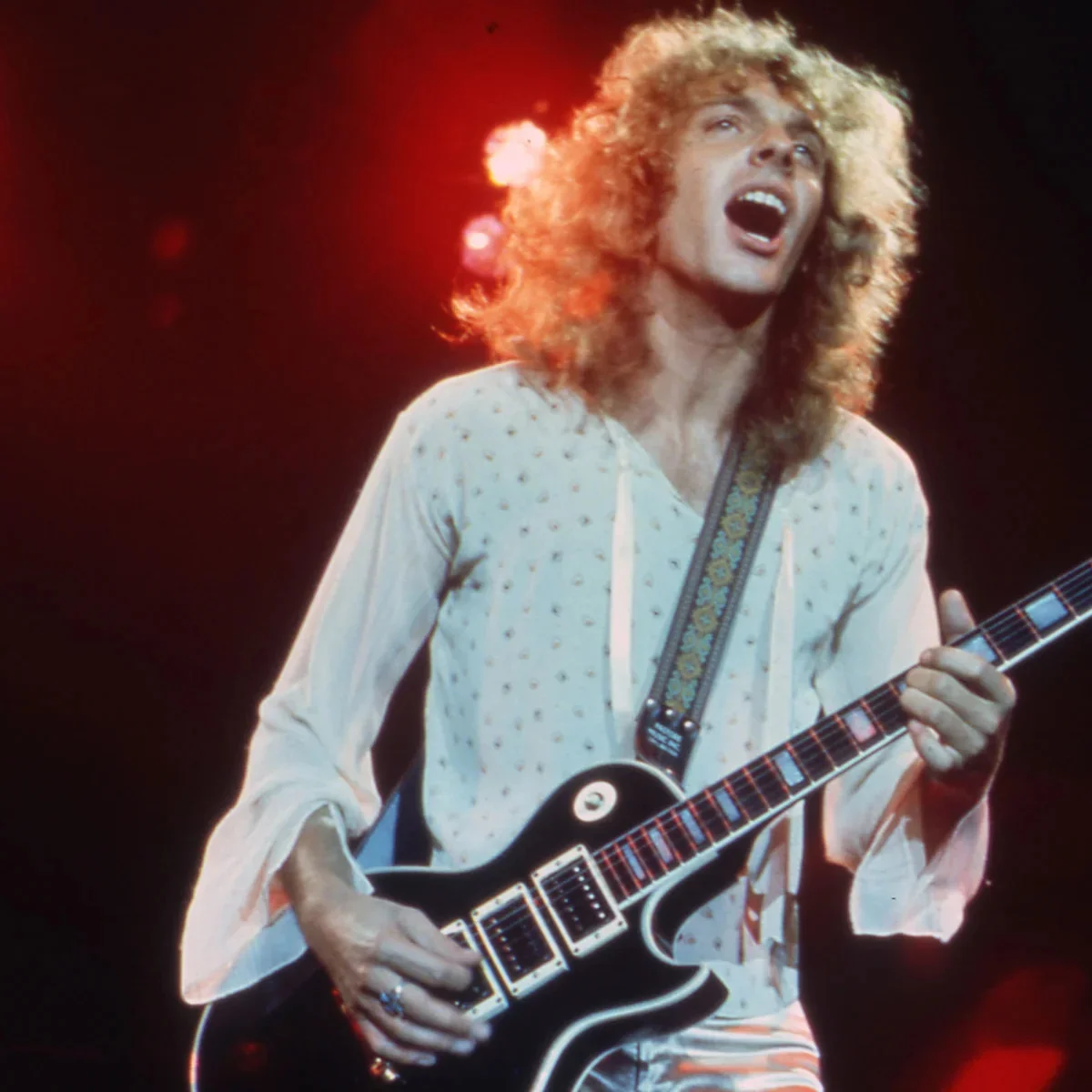
Peter Frampton
Peter Frampton
1970sRockPop Rock
77Strong Match
DSP / Plugin Match
Guitar100%
Amp80%
Effects36%

The largest overlap comes from the Gibson Les Paul Standard — it covers a lot of Peter Frampton's core character on its own. Notable tonal fingerprints include: talk-box, singing-lead, melodic. The easiest upgrade path would be to add a Dunlop GCB95 Cry Baby Wah to close the remaining gap.

DSP / Plugin Match: This match is best achieved through your modeller or amp simulation software. Load the appropriate amp model and cabinet IR to dial in the character.

Recommended Settings

Gibson Les Paul StandardPickup: neck for lead, bridge for rhythmRoll back the guitar volume to 7-8 for natural amp compression.
Neural DSP Quad CortexLoad a Marshall Plexi or JCM800 model. Gain: 5-7British crunch lives in the mids — keep them up around 6-7.
OverdriveDrive: 3-5, Tone: 5-6, Level: unity gainUse a Tube Screamer-style overdrive as a clean boost into a slightly driven amp.
#5
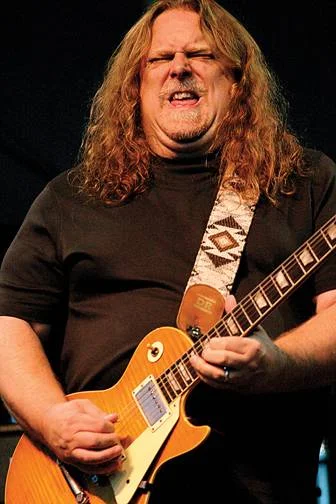
Warren Haynes
Warren Haynes
1990sBlues-RockRock
77Strong Match
DSP / Plugin Match
Guitar100%
Amp80%
Effects36%

Before you look at specific gear, the feel of this rig already points toward Warren Haynes's territory. Key tonal traits include: southern-rock, blues-rock, slide. The foundation of the similarity is the combination of Gibson Les Paul Standard and Neural DSP Quad Cortex. To move even closer, consider adding a TC Electronic Flashback 2 to close the remaining gap.

DSP / Plugin Match: This match is best achieved through your modeller or amp simulation software. Load the appropriate amp model and cabinet IR to dial in the character.

Recommended Settings

Gibson Les Paul StandardPickup: neck for lead, bridge for rhythmRoll back the guitar volume to 7-8 for natural amp compression.
Neural DSP Quad CortexLoad a Marshall Plexi or JCM800 model. Gain: 5-7British crunch lives in the mids — keep them up around 6-7.
OverdriveDrive: 3-5, Tone: 5-6, Level: unity gainUse a Tube Screamer-style overdrive as a clean boost into a slightly driven amp.
#6
Joe Bonamassa
Joe Bonamassa
2000sBlues-RockBlues
77Strong Match
DSP / Plugin Match
Guitar100%
Amp80%
Effects36%

Running Gibson Les Paul Standard into Neural DSP Quad Cortex gets you further into Joe Bonamassa's world than most players expect. Shared sonic characteristics include: blues-rock, vintage-tones, collectors-grade. The easiest upgrade path would be to add a Boss CS-3 Compression Sustainer to close the remaining gap. Several important elements align — the overall character is recognisably close.

DSP / Plugin Match: This match is best achieved through your modeller or amp simulation software. Load the appropriate amp model and cabinet IR to dial in the character.

Recommended Settings

Gibson Les Paul StandardPickup: neck for lead, bridge for rhythmRoll back the guitar volume to 7-8 for natural amp compression.
Neural DSP Quad CortexLoad a Marshall Plexi or JCM800 model. Gain: 5-7British crunch lives in the mids — keep them up around 6-7.
OverdriveDrive: 3-5, Tone: 5-6, Level: unity gainUse a Tube Screamer-style overdrive as a clean boost into a slightly driven amp.
#7
Gary Moore
Gary Moore
1970sBlues-RockHard Rock
77Strong Match
DSP / Plugin Match
Guitar100%
Amp80%
Effects36%

A listener familiar with Gary Moore's recordings would pick up on the similarity here. Shared sonic characteristics include: singing-sustain, vibrato-heavy, irish-blues. The biggest reason for the match is the combination of Gibson Les Paul Standard and Neural DSP Quad Cortex. The largest remaining gap is a TC Electronic Flashback 2 to close the remaining gap.

DSP / Plugin Match: This match is best achieved through your modeller or amp simulation software. Load the appropriate amp model and cabinet IR to dial in the character.

Recommended Settings

Gibson Les Paul StandardPickup: neck for lead, bridge for rhythmRoll back the guitar volume to 7-8 for natural amp compression.
Neural DSP Quad CortexLoad a Marshall Plexi or JCM800 model. Gain: 5-7British crunch lives in the mids — keep them up around 6-7.
OverdriveDrive: 3-5, Tone: 5-6, Level: unity gainUse a Tube Screamer-style overdrive as a clean boost into a slightly driven amp.
#8
Joe Perry
Joe Perry
1970sHard RockRock
77Strong Match
DSP / Plugin Match
Guitar100%
Amp80%
Effects36%

The match with Joe Perry's tone is real, even if the rig isn't complete. Several important elements align — the overall character is recognisably close. The standout component is the combination of Gibson Les Paul Standard and Neural DSP Quad Cortex. This rig emphasises: classic-rock, les-paul-driven, blues-rooted.

DSP / Plugin Match: This match is best achieved through your modeller or amp simulation software. Load the appropriate amp model and cabinet IR to dial in the character.

Recommended Settings

Gibson Les Paul StandardPickup: neck for lead, bridge for rhythmRoll back the guitar volume to 7-8 for natural amp compression.
Neural DSP Quad CortexLoad a Marshall Plexi or JCM800 model. Gain: 5-7British crunch lives in the mids — keep them up around 6-7.
OverdriveDrive: 3-5, Tone: 5-6, Level: unity gainUse a Tube Screamer-style overdrive as a clean boost into a slightly driven amp.
#9
Josh Homme
Josh Homme
1990sRockStoner Rock
77Strong Match
DSP / Plugin Match
Guitar100%
Amp80%
Effects36%

Anatomically, this rig makes sense as a Josh Homme approximation. The foundation of the similarity is the combination of Gibson Les Paul Standard and Neural DSP Quad Cortex. The resulting sound profile highlights: qotsa-desert-rock, slinky-heavy, baritone-vibes. To move even closer, consider adding a Electro-Harmonix Big Muff Pi to close the remaining gap.

DSP / Plugin Match: This match is best achieved through your modeller or amp simulation software. Load the appropriate amp model and cabinet IR to dial in the character.

Recommended Settings

Gibson Les Paul StandardPickup: neck for lead, bridge for rhythmRoll back the guitar volume to 7-8 for natural amp compression.
Neural DSP Quad CortexLoad a Fender Deluxe or Tweed model. Push the gain to 6-7The magic is in the amp pushed to the edge — use a Tube Screamer as a boost if available.
OverdriveDrive: 3-5, Tone: 5-6, Level: unity gainUse a Tube Screamer-style overdrive as a clean boost into a slightly driven amp.
#10
Joe Walsh
Joe Walsh
1970sRockHard Rock
77Strong Match
DSP / Plugin Match
Guitar100%
Amp80%
Effects36%

Dialled in correctly, this setup would make a lot of players think of Joe Walsh. The biggest reason for the match is the combination of Gibson Les Paul Standard and Neural DSP Quad Cortex. Shared sonic characteristics include: classic-rock, melodic-slide, les-paul-crunch. Several important elements align — the overall character is recognisably close.

DSP / Plugin Match: This match is best achieved through your modeller or amp simulation software. Load the appropriate amp model and cabinet IR to dial in the character.

Recommended Settings

Gibson Les Paul StandardPickup: neck for lead, bridge for rhythmRoll back the guitar volume to 7-8 for natural amp compression.
Neural DSP Quad CortexLoad a Marshall Plexi or JCM800 model. Gain: 5-7British crunch lives in the mids — keep them up around 6-7.
OverdriveDrive: 3-5, Tone: 5-6, Level: unity gainUse a Tube Screamer-style overdrive as a clean boost into a slightly driven amp.

Want to try your own gear?

The interactive Reverse Tone tool lets you enter any guitar, amp, and pedal combination.

Try Reverse Tone Search →
Rig Builder£500 RigsHow Tone WorksBudget Guide