Danny Gatton Pedalboard
Full effects breakdown — core pedals, signal chain order, and budget alternatives
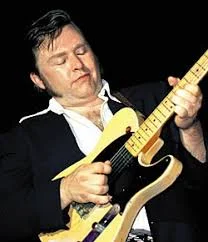
Gatton's signal chain centres on 2 essential effects: Compression, Reverb (Fender Deluxe Reverb). The resulting sound: Danny Gatton's Telecaster tone is a benchmark: a 1953 Fender Telecaster with a lipstick tube pickup in the neck and a standard bridge single coil, running into a clean Fender Deluxe Reverb at modest volume, with no effects except the amp's natural spring reverb. The compression evens out pick dynamics so the tone responds consistently regardless of how hard the strings are hit — essential for the level consistency needed in studio recordings and for a smooth, sustaining lead tone. The compressor is set for a subtle squash rather than a heavy clamp — consistent dynamics that sit evenly in a mix. Too much compression kills the pick transient that carries note definition.
Essential Pedals
These effects are non-negotiable for Gatton's tone. Skip any one and the signature sound is lost.
Optional / Contextual Effects
Gatton uses these situationally — great to have but not required for the core sound.
£1,000 Pedalboard Breakdown
Specific gear recommendations at the £1,000 budget tier.
Pedalboard at Every Budget
The effects chain scales with budget — budget tiers keep the essential categories intact with less expensive alternatives.
- CompressionKeeley Compressor Plus
- ReverbTC Electronic Hall of Fame 2
Signal Chain Order
Reverb last: the decay of a reverb tail fed into a drive pedal creates an ever-building wash of sustained noise. Reverb after drive keeps the decay clean and controlled.
- Guitar
- Compressor (after wah, before dirt)
- Reverb (last in chain before amp)
- Amp
Related Gear
Similar Guitarists
FAQ
Danny Gatton Pedalboard — Common Questions
Danny Gatton's pedalboard includes: Keeley Compressor Plus, TC Electronic Hall of Fame 2. The core effects in Gatton's sound are Compression, Reverb.
The standard signal chain for Danny Gatton's pedalboard follows the professional convention: guitar → tuner → wah (if used) → compression → overdrive/distortion → amp → modulation (chorus/flanger) → delay → reverb. Reverb last: the decay of a reverb tail fed into a drive pedal creates an ever-building wash of sustained noise. Reverb after drive keeps the decay clean and controlled.
Danny Gatton typically uses a transparent overdrive or boost to push the amp's front end rather than relying on a dedicated distortion pedal.
Building a Danny Gatton-style pedalboard depends on budget. At £200 you can cover the essentials (~£228 for the full rig). At £500 the pedalboard includes . At £1,000 (full rig: ~£996) all the key pedals are covered.
Danny Gatton's delay is handled by a dedicated delay pedal placed at the end of the signal chain (or in the amp's effects loop). Common choices include the Boss DD series, TC Electronic Flashback, or MXR Carbon Copy.