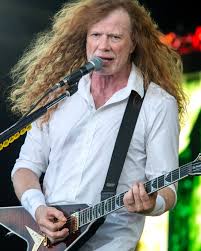
How to Sound Like Dave Mustaine
Dave Mustaine's relentless and intense sound hinges on two things: Ibanez RG421 EX and Boss Katana 50 MkII. Get those right and the rest of the signal chain falls into place. Jackson Flying V or Dean VMNT (active EMG pickups) into a Krank Krankenstein or Marshall JCM900. Very high gain on the rhythm side, with a tight, controlled low end. Lead tone is smooth and singing — the aggression comes from rhythmic precision and picking attack, not just gain. Here's the step-by-step process — from selecting the guitar to dialling in the final settings.
Based on the £500 rig · Total: ~£478
To sound like Dave Mustaine, you need a Ibanez RG421 EX (guitar), a Boss Katana 50 MkII (amp). Follow these 3 steps: Choose your guitar: Ibanez RG421 EX; Dial in your amp: Boss Katana 50 MkII; Fine-tune your tone. Total budget: ~£478.
⚡ Quick Answer
Downpicking at speed is the core technique — practise slowly with a metronome
Step-by-Step Guide
Building Dave Mustaine's Tone
- 1
Step 1 — Choose your guitar: Ibanez RG421 EX
The foundation of Dave Mustaine's relentless and intense sound is the guitar. For this budget build, a Ibanez RG421 EX provides the right tonal character — the pickup configuration and body resonance both point in the right direction.
- 2
Step 2 — Dial in your amp: Boss Katana 50 MkII
The amp is where much of Dave Mustaine's character lives. A Boss Katana 50 MkII at this budget level gives you the clean headroom or natural breakup needed to start shaping the tone. Set the gain and EQ to match the characteristic sound before adding any effects.
- 3
Step 4 — Fine-tune your tone
Downpicking at speed is the core technique — practise slowly with a metronome Palm muting with varying pressure creates the rhythmic pulse in thrash riffs
£500 Reference Rig
Complete Parts List
Why This Rig Works
How Dave Mustaine's gear choices create the signature tone
Ibanez RG421 EX
The Ibanez RG421 EX provides the tonal foundation for the entire rig — its character shapes everything that follows.
Boss Katana 50 MkII
Its 'Brown' amp character at low gain is an excellent approximation of the Fender-style clarity that Hendrix, Mayer, Gilmour and SRV all relied on. Built-in effects mean you're a few knob turns away from the right tone.
The Combined Tone
Jackson Flying V or Dean VMNT (active EMG pickups) into a Krank Krankenstein or Marshall JCM900. Very high gain on the rhythm side, with a tight, controlled low end. Lead tone is smooth and singing — the aggression comes from rhythmic precision and picking attack, not just gain.
Tone Science
Why This Combination Works
The guitar's pickup configuration contributes directly to the tonal character — body resonance and pickup type define the raw material before the amp shapes it further.
The Boss Katana 50 MkII digitally models classic amp circuits — the key is selecting the right model and keeping the gain at a level that matches the original's dynamics. The tone is in the model selection more than the physical amp topology.
High-gain metal tone is defined by palm muting precision and pick attack consistency as much as equipment. The tight, punchy character comes from the right gain/muting combination — too much gain actually makes palm mutes less defined, not more.
Reference Listening
Songs to Study Before Buying
Listen to these specific tracks to hear the target tone before you shop. Each song demonstrates a different aspect of the rig.
Peace Sells— Peace Sells...But Who's Buying?
The defining Megadeth tone — Jackson/Dean into Mesa/Boogie, tight palm-muted thrash with aggressive attack.
Symphony of Destruction— Countdown to Extinction
Mid-gain accessible thrash — hear the guitar character through heavy rhythm playing.
Tornado of Souls (Rhythm)— Rust in Peace
Showcases the rhythm-guitar counterpoint to Marty Friedman's lead — dual-guitar interplay at its most complex.
Avoid These Pitfalls
Common Mistakes to Avoid
- ✗
Not using a gate on the Marshall DSL's high-gain channel — self-noise at this gain level is continuous and audible between notes. A noise gate is not a style choice; it is functional equipment for this gain level
- ✗
Not exploring the Marshall DSL alone before adding pedals — a Les Paul or humbucker guitar into a British amp is already a near-complete overdrive system. Adding drive pedals on top is often unnecessary and muddies the amp's natural character
- ✗
Neglecting to adjust a floating bridge when changing string gauges or tuning — a Floyd Rose or floating bridge requires re-balancing the spring tension any time the string setup changes.
- ✗
Running amp gain at 10 — above 8 on most high-gain channels, the signal becomes a compressed, indistinct wall. Moderate-high gain with a boost pedal in front gives better results.
- ✗
Skipping the Tube Screamer-style boost — this pedal before the amp's high-gain channel is not optional for many players. It tightens the low end, not adds gain. Gain on the pedal at 0.
- ✗
Using too much gain — clarity at speed requires that individual palm mutes are audible. Maximum gain creates a compressed wall that sounds powerful but loses all rhythmic precision.
- ✗
Scooped mid EQ — no guitar tone cuts through a thrash band with scooped mids. Mesa Rectifier tones at band volume are more mid-present than they appear in isolation.
Dave Mustaine — £500 · Sweet Spot Complete Rig
~£478Guitar
Ibanez RG421 EX
Amp
Boss Katana 50 MkII
Tone Match
Similar Players to Dave Mustaine
If you like Dave Mustaine's tone, these players use a similar approach — same gear philosophy, comparable sound characteristics.
Related Guides
Similar Players
FAQ
How to Sound Like Dave Mustaine — Common Questions
The guitar body type (superstrat) and amp character (high gain) are non-negotiable. Technique — specifically thrash — accounts for 30% of the sound.
Yes. Dave Mustaine's exact gear (Ibanez RG421 EX, Boss Katana 50 MkII) is one path, but any guitar and amp in the same tonal family will work. The tone is defined by pickup type, amp voicing, and gain structure — not the brand on the headstock.
The gear side is immediate — the right setup delivers the signature tone from day one. The technique side (vibrato, pick dynamics, phrasing) takes 6-18 months to develop meaningfully. Most players underestimate how much Dave Mustaine's actual playing style contributes to the sound.