Song Rig
You Upset Me Baby
B.B. King · Singin' the Blues · 1954
Tone Overview
What Makes This Sound Unique
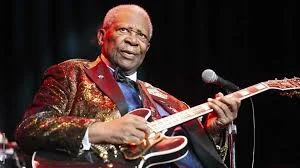
Early BB King at his most raw — recorded at the Chess Brothers studios in 1954 with a minimal setup. The tone is grittier and more compressed than the polished 1960s recordings, reflecting the smaller recording budget and the pushing of early tube amp technology. The shuffle feel and relentless rhythm drive are defining.
Signal Chain
- 1Gibson guitar (early period — L-30 or similar)
- 2small tube amp (Gibson or Fender, 1950s)
Amp Settings
Small amp pushed hard for natural tube saturation — the 1954 sound is dirtier and more compressed than the later studio work. The shuffle rhythm requires the amp to respond to pick dynamics with consistent compression.
Technique
How to Play It
Shuffle rhythm playing with sparse single-note fills — 1950s BB King used the shuffle rhythm more prominently in his right hand between the lead phrases. The R&B shuffle feel is the rhythmic backbone. The lead fills are shorter and more punchy than the later, more expansive phrasing.
Budget Alternative
Achievable With
Semi-hollow guitar → small tube amp cranked. The 1950s tone requires a vintage-voiced amp with natural compression from being pushed, not a modern high-gain amp.
Your Gear
Adapt to My Amp
More from B.B. King
Other Song Rigs
The Thrill Is Gone
Completely Well · 1969
BB King's most famous tone — Lucille (a Gibson ES-335 variant) into a Lab Series…
View rig →Every Day I Have the Blues
Live at the Regal · 1965
BB King live — the Regal Theatre recording captures his peak-era tone: raw, warm…
View rig →Three O'Clock Blues
RPM Records single · 1951
BB King's first number one hit — his earliest available tone uses a Gibson ES-34…
View rig →Every Day I Have the Blues
Live at the Regal · 1964
The Live at the Regal version is the definitive BB King recording — the Apollo T…
View rig →Sweet Little Angel
Live at the Regal · 1964
BB King's live tone at the peak of his performing powers — the Gibson ES-355 "Lu…
View rig →Lucille
Lucille · 1968
BB King's tribute to his beloved guitar — the album named Lucille contains some …
View rig →