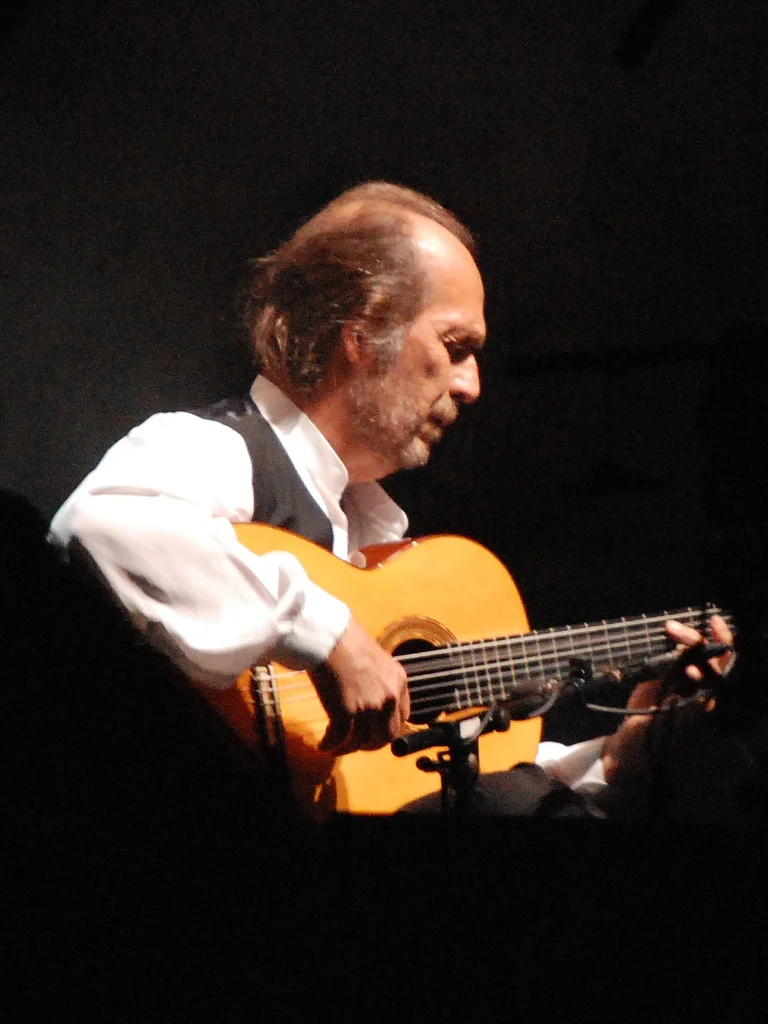
Tone Profile
Paco de Lucía — Tone DNA & Signal Chain
Paco de Lucía was the greatest flamenco guitarist of the 20th century — bringing the traditional Andalusian art form to international concert halls, collaborating with John McLaughlin and Al Di Meola, and developing a speed and precision on nylon string guitar never seen before.
Tone Analysis
Paco de Lucía's tonal fingerprint across 10 dimensions, derived from their signature gear and playing style. Gain structure: clean.
Tonal character: flamenco, rapid-rasgueado, classical-nylon, spanish-scale, percussive.
Signal Chain
Paco de Lucía's core signal path — the order of guitar, pedals, and amp that defines the tone.
Signal Chain
Budget Recreation Options
Every budget tier below gives you an authentic path to Paco de Lucía's tone. Higher budgets add nuance — they don't fix a fundamentally wrong rig.
Buy the Key Pieces
Guitar and amp at the £500 sweet spot — these two items deliver 80% of Paco de Lucía's tone.
Compare all budgets →Sound Characteristics
Upgrade Path
Start with the £200 rig to validate the tone is right for you, then upgrade in order of impact.
- Guitar first — body and pickup type define the foundational character. A acoustic-family guitar is essential.
- Amp second — this is where 60% of the tone lives. Paco de Lucía uses a boutique clean-voiced amp.
- Essential pedals — Reverb. These are not optional for this tone.
- Technique — pick attack, vibrato, and dynamics account for more tonal difference than any single gear upgrade at this point.
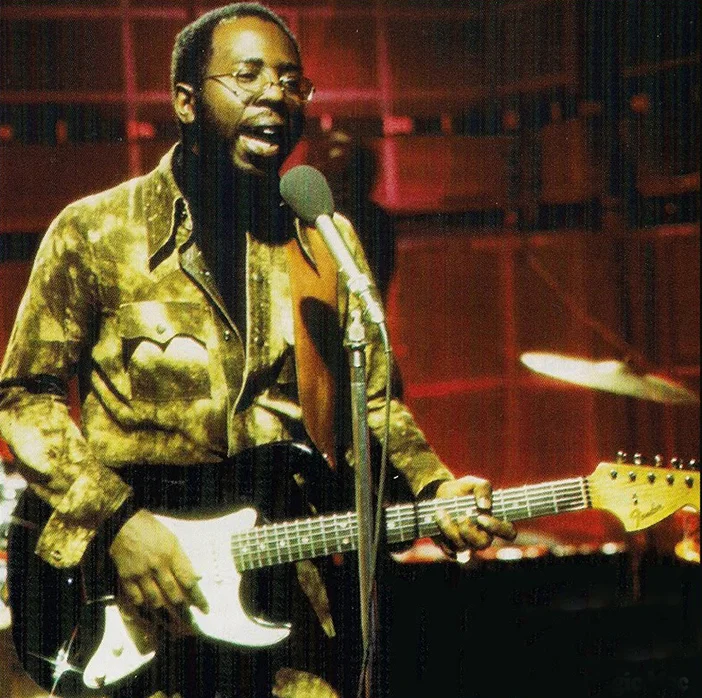
Similar Tones — You Might Also Like
Guitarists with a matching tonal fingerprint — calibrated across gain, saturation, warmth, aggression, and 9 other tone dimensions.
Related Gear
FAQ
How To Sound Like Paco de Lucía — Common Questions
To sound like Paco de Lucía, you need a clean tone with full headroom, combined with Reverb. The defining tonal characteristics are: flamenco, rapid-rasgueado, classical-nylon. At £500, the key pieces are: Yamaha LL6 ARE Acoustic Guitar, a quality amp.
Paco de Lucía's tone is built around Handmade flamenco guitar (cypress back/sides, spruce top). The guitar archetype is acoustic, which gives the tone its characteristic flamenco. At the £500 budget tier, Yamaha LL6 ARE Acoustic Guitar is the recommended substitute.
Paco de Lucía's tone relies on a clean tone with full headroom. Gain approach: clean. The recommended amp at the £500 budget is the a quality amp. Key tip: use a balanced EQ as a starting point and adjust by ear. See the full Amp Settings guide for exact dial positions.
You can start building a Paco de Lucía-inspired tone for around ~£199. At this budget, Yamaha FG800 Acoustic Guitar covers the core sound. The most important element is the amp character — even a modelling amp that approximates the right voicing gets you 80% of the way there.
Paco de Lucía's core effects are: Reverb. Optional effects include: Compression. The essential effects for recreating the tone at any budget are Reverb.