How to Sound Like Albert King
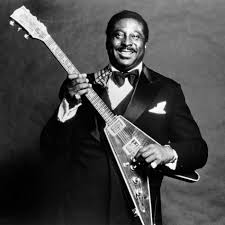
Getting Albert King's soulful and deeply expressive tone means understanding what makes it unique and working through each element of the signal chain methodically. Gibson Flying V (played upside down) into a Fender Super Reverb or Acoustic 360 bass amp. The upside-down string configuration means the wound strings are on top — bends go downward toward the floor. The tone is warm, thick and mid-forward with a distinctively wide, slow vibrato that seems to groan rather than shimmer. This step-by-step guide starts with Epiphone Explorer — the foundation of the sound — and builds out from there through amp selection, key effects, and the settings that bring it all together.
Based on the £500 rig · Total: ~£448
To sound like Albert King, you need a Epiphone Explorer (guitar), a Boss Katana 50 MkII (amp). Follow these 3 steps: Choose your guitar: Epiphone Explorer; Dial in your amp: Boss Katana 50 MkII; Fine-tune your tone. Total budget: ~£448.
⚡ Quick Answer
Albert's bends go downward (pulling the string toward the floor) — practise this specifically
Step-by-Step Guide
Building Albert King's Tone
- 1
Step 1 — Choose your guitar: Epiphone Explorer
The foundation of Albert King's soulful and deeply expressive sound is the guitar. For this budget build, a Epiphone Explorer provides the right tonal character — the pickup configuration and body resonance both point in the right direction.
- 2
Step 2 — Dial in your amp: Boss Katana 50 MkII
The amp is where much of Albert King's character lives. A Boss Katana 50 MkII at this budget level gives you the clean headroom or natural breakup needed to start shaping the tone. Set the gain and EQ to match the characteristic sound before adding any effects.
- 3
Step 4 — Fine-tune your tone
Albert's bends go downward (pulling the string toward the floor) — practise this specifically His neck position (thumb over the top) adds a warmer tone from dampening the neck resonance
£500 Reference Rig
Complete Parts List
Why This Rig Works
How Albert King's gear choices create the signature tone
Epiphone Explorer
The Epiphone Explorer provides the tonal foundation for the entire rig — its character shapes everything that follows.
Boss Katana 50 MkII
Its 'Brown' amp character at low gain is an excellent approximation of the Fender-style clarity that Hendrix, Mayer, Gilmour and SRV all relied on. Built-in effects mean you're a few knob turns away from the right tone.
The Combined Tone
Gibson Flying V (played upside down) into a Fender Super Reverb or Acoustic 360 bass amp. The upside-down string configuration means the wound strings are on top — bends go downward toward the floor. The tone is warm, thick and mid-forward with a distinctively wide, slow vibrato that seems to groan rather than shimmer.
Tone Science
Why This Combination Works
The Epiphone Explorer's humbucking pickups produce a warmer, thicker output with more midrange presence and higher output than single coils. This drives the amp harder and creates the fat, sustaining quality associated with this style.
The Boss Katana 50 MkII digitally models classic amp circuits — the key is selecting the right model and keeping the gain at a level that matches the original's dynamics. The tone is in the model selection more than the physical amp topology.
Blues tone is fundamentally about dynamics and feel. The same rig sounds different based on how hard you pick, where you play on the string, and whether you dig in or float. Albert King's tone is as much about technique as equipment — the gear is just the canvas.
Reference Listening
Songs to Study Before Buying
Listen to these specific tracks to hear the target tone before you shop. Each song demonstrates a different aspect of the rig.
Born Under a Bad Sign— Born Under a Bad Sign
ES-345 into a Fender amp — Albert King's upside-down, pull-bend technique sounds completely different from standard string bending; every note reveals the approach.
I'll Play the Blues for You— I'll Play the Blues for You
Smooth semi-hollow tone, minimal effects — the pure guitar-and-amp character of the Flying V and Fender combination at a relaxed tempo.
The Velvet Destroyer— Truckload of Lovin'
Live recording revealing the dynamic contrast of his playing — loud attack into natural amp compression, finger vibrato that shaped SRV's whole approach.
Avoid These Pitfalls
Common Mistakes to Avoid
- ✗
Expecting the same access to lower frets as on a conventional guitar — explorer and V shapes limit lower-body contact, which changes the natural picking position. Allow for this in technique.
- ✗
Using a distortion pedal instead of pushing the amp — vintage-voiced amps create better overdrive by being pushed hard than by a pedal circuit. Let the amp do the work.
- ✗
Adding compression to fix flat clean tone — a flat, lifeless clean tone usually means the amp gain or presence is wrong, not that compression is needed. Compression on a flat tone just makes it louder.
- ✗
Ignoring the guitar volume knob — rolling back to 6-7 is your rhythm setting; 10 is for leads. Most players leave it at 10 and miss the entire dynamic vocabulary.
- ✗
Using a humbucker where single coils are needed — the quack, string definition, and high-frequency air of single coils cannot be EQ'd into a humbucker
Albert King — £500 · Sweet Spot Complete Rig
~£448Guitar
Epiphone Explorer
Amp
Boss Katana 50 MkII
Tone Match
Similar Players to Albert King
If you like Albert King's tone, these players use a similar approach — same gear philosophy, comparable sound characteristics.
Related Guides
Similar Players
FAQ
How to Sound Like Albert King — Common Questions
The guitar body type (explorer) and amp character (vintage blues) are non-negotiable. Technique — specifically flying-v — accounts for 30% of the sound.
Yes. Albert King's exact gear (Epiphone Explorer, Boss Katana 50 MkII) is one path, but any guitar and amp in the same tonal family will work. The tone is defined by pickup type, amp voicing, and gain structure — not the brand on the headstock.
The gear side is immediate — the right setup delivers the signature tone from day one. The technique side (vibrato, pick dynamics, phrasing) takes 6-18 months to develop meaningfully. Most players underestimate how much Albert King's actual playing style contributes to the sound.