Sound Like Freddie King
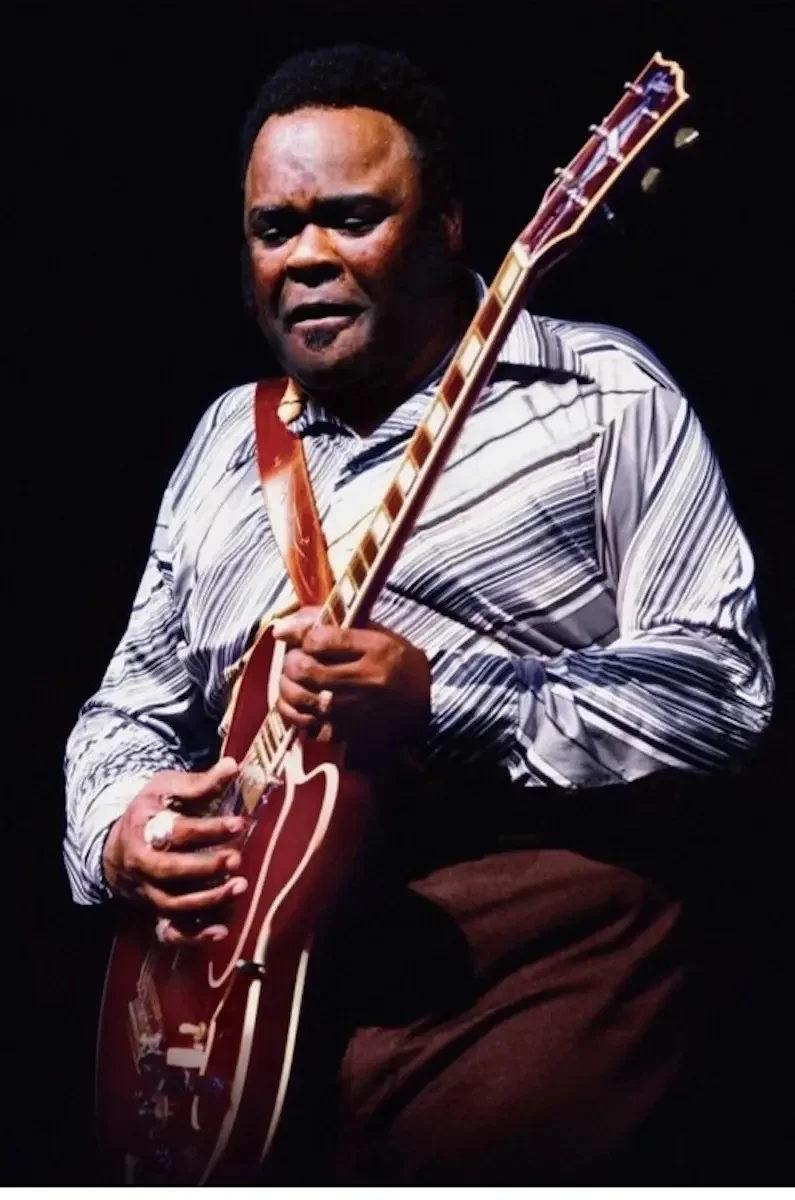
During the dawn of rock and roll, Freddie King redefined what soulful and deeply expressive electric guitar could sound like — and their influence on blues has never faded. Freddie King was the most powerful and aggressive of the three Kings — his uptempo Texas shuffle and raw, fast picking style influenced Eric Clapton and Peter Green profoundly. His Gibson ES-335 through a small Fender amp, played with a plastic thumb pick and metal index-finger pick, produced a uniquely percussive and forward attack. Whether you're starting out or ready to invest, the rig guides below cover every budget from £200 to £2,500.
Quick Answer
To sound like Freddie King, start with a Epiphone ES-339 into a Boss Katana 50 MkII, with a Boss Blues Driver BD-2 as your key effect.
Tone Analysis
Freddie King's Guitar Tone — In Depth
Tone Philosophy
Freddie King was the most direct and commercially-driven of the three Kings — B.B., Albert, and Freddie — and his approach reflected it: hard-driving rhythms, strong melodic hooks, and a picking technique using thumb picks and a metal index-finger pick that produced a brighter, more aggressive attack than conventional plectrum playing. His Texas roots gave him a swing feel alongside the blues sophistication of the Chicago tradition.
The Signature Sound
The Federal and King Records recordings from the late 1950s and early 1960s — Hide Away, Have You Ever Loved a Woman, San-Ho-Zay — represent his primary sound: a 1954 Gibson Les Paul Gold Top with P-90 pickups through a Fender Bassman amplifier at moderate volume. The thumb-and-finger-pick combination produces a snap and attack on the bass strings combined with a brighter quality on the treble strings.
Key Gear
His primary guitar was a 1954 Gibson Les Paul Gold Top, followed by a Gibson ES-355 in later years. He used both a thumb pick and a metal index-finger pick simultaneously, which is unusual — most players use one or the other, not both. Fender Bassman and similar combo amplifiers provided the clean amplification he preferred.
Playing Approach
King's Texas-meets-Chicago style combined the swing rhythm of T-Bone Walker with the rawer Delta influence, producing a sound that bridged the jump blues era and the rock-and-roll era. His Hide Away became one of the most-learned instrumentals in blues history, a gateway piece for countless players including Eric Clapton.
Legacy
Freddie King's influence on British blues is enormous — Clapton explicitly cited him, and the Bluesbreakers played a version of Hide Away. Through Clapton and the British blues revival, King's influence extends to every rock guitarist who plays blues-rooted lead guitar.
Budget Comparison
Pick Your Budget Level
£500 · Sweet Spot
~£517
- GuitarEpiphone ES-339
- AmpBoss Katana 50 MkII
- OverdriveBoss Blues Driver BD-2
£1,000 · Pro-Level
~£957
- GuitarEpiphone ES-335 Dot
- AmpFender Blues Junior IV
- EQMXR M108S 10-Band EQ
£2,500 · Premium
~£2465
- GuitarEpiphone ES-339
- CompressionBoss CS-3 Compression Sustainer
- OverdriveBoss Blues Driver BD-2
- AmpFender Blues DeVille
- ReverbStrymon BigSky
Shop Now
Buy the Key Gear — £500 Sweet Spot
Guitar, amp and essential effects for the authentic Freddie King sound. The guitar and amp together account for 80% of the tone.
Complete the Rig
Essentials Every Guitarist Needs
These aren't exciting — but every rig needs them. Buy once, sorted forever.
Tone Profile
Freddie King's Sound
Gibson ES-335 or 345 through a small Fender amplifier (Bassman, Super). Bright, forward and punchy. The fingerpick technique (plastic thumb pick + metal steel fingerpick on the index finger) creates a sharper, more percussive attack than a normal plectrum — notes have a bright initial transient followed by warm sustain.
Modeling Amps
Get Freddie King's Tone on Your Modeler
Targeting Fender (Twin Reverb / Deluxe Reverb). Use these amp models and IRs as your starting point — dial in from there using the knob settings above.
Set volume high for natural breakup; add a TS-style drive in front for lead
Bright switch on for sparkle; use a clean boost for lead push
Song Match
Which Freddie King Songs Suit Your Amp
Tone Match
Closest Real-World Tone Match
If you like Freddie King's tone, these players use a similar approach — same gear philosophy, comparable sound characteristics.
Weekly Tone Tips
One setting, one artist insight, one gear pick. No noise.