Steve Howe Pedalboard
Full effects breakdown — core pedals, signal chain order, and budget alternatives
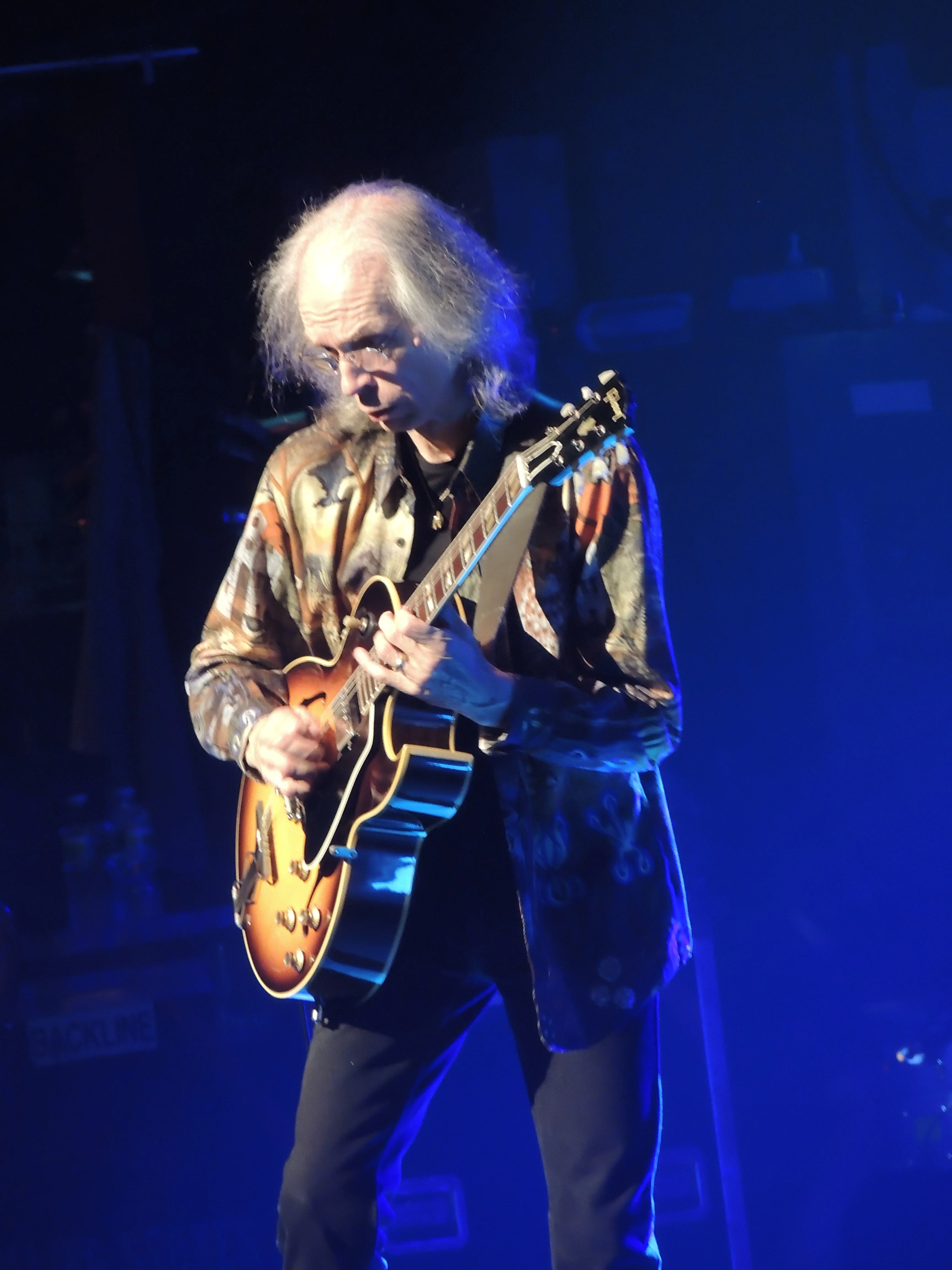
Steve Howe's signal chain centres on 2 essential effects: Reverb, Delay. The resulting sound: Gibson ES-175 for jazz/fusion sections, Fender Telecaster for rock sections, acoustic guitar for classical/folk parts. The reverb places the guitar in an acoustic space, adding the impression of room size and distance that records and live settings both benefit from — short and controlled rather than ambient.
Essential Pedals
These effects are non-negotiable for Steve Howe's tone. Skip any one and the signature sound is lost.
Optional / Contextual Effects
Steve Howe uses these situationally — great to have but not required for the core sound.
£1,000 Pedalboard Breakdown
Specific gear recommendations at the £1,000 budget tier.
Pedalboard at Every Budget
The effects chain scales with budget — budget tiers keep the essential categories intact with less expensive alternatives.
- DelayTC Electronic Flashback 2
- ReverbElectro-Harmonix Holy Grail Nano
- CompressionDiamond Compressor
- DelayBoss DD-8 Digital Delay
- ReverbElectro-Harmonix Holy Grail Nano
Signal Chain Order
Delay last in the chain (or in the effects loop) ensures the repeats are clean reproductions of the effected signal. Running delay before drive would create driven, distorted repeats that accumulate into an indistinct wall. Reverb last: the decay of a reverb tail fed into a drive pedal creates an ever-building wash of sustained noise. Reverb after drive keeps the decay clean and controlled.
- Guitar
- Delay (after modulation, before reverb)
- Reverb (last in chain before amp)
- Amp
Related Gear
Similar Guitarists
FAQ
Steve Howe Pedalboard — Common Questions
Steve Howe's pedalboard includes: TC Electronic Flashback 2, Electro-Harmonix Holy Grail Nano. The core effects in Steve Howe's sound are Reverb, Delay.
The standard signal chain for Steve Howe's pedalboard follows the professional convention: guitar → tuner → wah (if used) → compression → overdrive/distortion → amp → modulation (chorus/flanger) → delay → reverb. Delay last in the chain (or in the effects loop) ensures the repeats are clean reproductions of the effected signal. Running delay before drive would create driven, distorted repeats that accumulate into an indistinct wall. Reverb last: the decay of a reverb tail fed into a drive pedal creates an ever-building wash of sustained noise. Reverb after drive keeps the decay clean and controlled.
Steve Howe typically uses a transparent overdrive or boost to push the amp's front end rather than relying on a dedicated distortion pedal.
Building a Steve Howe-style pedalboard depends on budget. At £200 you can cover the essentials (~£298 for the full rig). At £500 the pedalboard includes . At £1,000 (full rig: ~£966) all the key pedals are covered.
Steve Howe uses the TC Electronic Flashback 2 for delay. It sits after the overdrive in the signal chain, either in the amp's effects loop or at the end of the pedalboard.