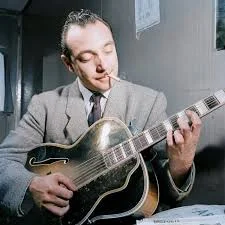
Django Reinhardt Amp Settings
EQ dial positions, gain structure, and how to replicate the sound on any amp
Reference Amp
Estimated Starting Settings
Dial positions are derived from Django Reinhardt's tonal fingerprint. These are starting points — fine-tune by ear on your specific amp.
All values on a 0–10 scale. Start here and adjust to room acoustics and your specific amp model.
Choosing the Right Amp
Amp at Every Budget
Getting the Most From Your Amp
- Keep the amp clean and use pedals for drive — the amp's headroom lets the pedals breathe.
- Master volume matters — many classic tones only work at significant volume when tubes are working hard.
Related Gear
Similar Guitarists
FAQ
Django Reinhardt Amp Settings — Common Questions
Django Reinhardt's tone is characterised by clean with full headroom — no amp distortion with a boutique clean amp voicing. Approximate starting settings: Gain 1, Bass 6, Mid 5, Treble 7.
Django Reinhardt's primary amp is the Fender Blues Junior IV. At different budgets, similar tones can be achieved with: Fender Blues Junior IV (£1,000 · Pro-Level).
Django Reinhardt's gain structure is clean with full headroom — no amp distortion. On a 0–10 scale, this translates to a Gain setting of approximately 1 on most amplifiers.
You can get close to Django Reinhardt's tone on any amp by focusing on the EQ character rather than specific gain levels. Key: use balanced mids (5–6) as a starting point. Keep the amp clean and drive it with a transparent overdrive pedal. A Boss Katana or Blackstar HT series can approximate the tone at low cost.
For Django Reinhardt's EQ signature: Bass 6/10, Mid 5/10, Treble 7/10, Presence 8/10. The tone is characterised as: gypsy-jazz, rapid-arpeggio, swing. These are starting points — fine-tune by ear to your specific amp and room.